- English
- French
- German
- Portuguese
- Spanish
- Russian
- Japanese
- Korean
- Arabic
- Greek
- German
- Turkish
- Italian
- Danish
- Romanian
- Indonesian
- Czech
- Afrikaans
- Swedish
- Polish
- Basque
- Catalan
- Esperanto
- Hindi
- Lao
- Albanian
- Amharic
- Armenian
- Azerbaijani
- Belarusian
- Bengali
- Bosnian
- Bulgarian
- Cebuano
- Chichewa
- Corsican
- Croatian
- Dutch
- Estonian
- Filipino
- Finnish
- Frisian
- Galician
- Georgian
- Gujarati
- Haitian
- Hausa
- Hawaiian
- Hebrew
- Hmong
- Hungarian
- Icelandic
- Igbo
- Javanese
- Kannada
- Kazakh
- Khmer
- Kurdish
- Kyrgyz
- Latin
- Latvian
- Lithuanian
- Luxembou..
- Macedonian
- Malagasy
- Malay
- Malayalam
- Maltese
- Maori
- Marathi
- Mongolian
- Burmese
- Nepali
- Norwegian
- Pashto
- Persian
- Punjabi
- Serbian
- Sesotho
- Sinhala
- Slovak
- Slovenian
- Somali
- Samoan
- Scots Gaelic
- Shona
- Sindhi
- Sundanese
- Swahili
- Tajik
- Tamil
- Telugu
- Thai
- Ukrainian
- Urdu
- Uzbek
- Vietnamese
- Welsh
- Xhosa
- Yiddish
- Yoruba
- Zulu
What kinds of the seed can work with the screw model oil press machine?
The 6YL-120 screw oil presser can be used with a huge variety of oil-rich seeds, from familiar ones like sunflower, sesame, and peanuts to unusual ones like walnut, hemp, coconut, and even black soldier fly larvae. It can be used for a lot of different things because it has a strong multi-stage pressing system and a changeable temperature control that make it easy to separate oil from seeds that are different amounts of hardness, oil content, and moisture. Understanding suitability is important for getting the best yield and quality from oilseeds, whether you're handling common oilseeds or looking for new niche markets.
Seed Characteristics That Determine Compatibility
Several physical and biological factors affect how well two seeds can grow together. Soybeans usually have 18% oil, while macadamia nuts have over 50% oil. This has a direct effect on yield predictions. The size of the seed is also important. For example, small sesame seeds act differently in the pressing box than big walnut nuts. Pay attention to the wetness level; most seeds grow best between 6 and 12 percent moisture, but some types have smaller windows.
Another thing to think about is hardness. Sesame seeds and other soft materials move easily through the screw mechanism. Castor beans and neem nuts, on the other hand, need more mechanical force to move through. The 6YL-120 screw oil presser's long-lasting two-stage screw design makes enough pressure across this range, though the preparation steps may be different. When workers know about these factors, they can better match seeds to machines, avoiding time- and money-consuming trial-and-error methods.
Common Seeds Working Optimally with 6YL-120 Screw Oil Press
Why is this 6YL-120 screw oil presser so great? Because it has been used successfully with seeds that are worth a lot of money. After making oil extraction tools for 28 years, we've seen regular patterns in how well seeds work that help us decide what to buy.
Traditional Oilseeds with Established Markets
Peanuts are still an important crop for making oil, especially in the southeast of the United States. With an oil level of 45 to 50 percent, peanuts produce great results when cooked correctly. To keep things clean, operators should make sure the moisture level stays around 7% and carefully remove the shells. The machine works well with both runner and Virginia peanuts, making oil that can be used in cooking and a protein-rich cake that is perfect for making feed for animals.
Sunflower seeds process beautifully in the 6YL-120 screw oil presser, which have an oil level of 40–45%. The automatic temperature control tool on these seeds is helpful because too much heat can ruin the light, neutral taste that people like. Dehulling sunflower seeds before pressing them makes the oil more pure and keeps the screw mechanism from wearing out as quickly. However, whole seed pressing is still possible as long as the extra fiber content is taken into account when equipment is maintained.
Sesame seeds represent a premium market opportunity, especially with growing interest in tahini and specialty cooking oils. Even though sesame seeds are smaller than other seeds, they are very valuable because they contain 50–55% oil. In this case, the vacuum filter system is especially helpful because it gets rid of small particles that would otherwise cloud the final product. The sweet smell of sesame is kept when it is cold pressed, which is important for luxury markets.
Specialty Seeds Opening Niche Opportunities
Flaxseed has become popular with people who care about their health because it has omega-3 fatty acids. The 6YL-120 screw oil presser works well with flax, but workers need to keep a close eye on the temperature because too much heat kills the nutrients that make people want to buy flax. It takes time to cold press flax, but the high-quality oil that you get makes up for the extra work.
Hemp seed is hard to regulate, but it has a big market potential where it is allowed to do so. Hemp makes oil that is 30 to 35 percent oil and is full of important fatty acids. Because the seed is pretty soft, it works best to press it gently so that bitter chemicals don't get into the oil stream.
Coconut needs to be prepared in a certain way before pressing, usually by drying out and getting smaller. There is too much water in fresh coconut, but dried copra works very well. The oil that is made can be used in cooking and in industry, and the cake is useful in making feed. Controlling the temperature while pressing affects whether the oil hardens at room temperature, which is an important thing to think about when deciding how to store and package the oil.
Comparison of 6YL-120 with Other Oil Press Machines on Seed Compatibility
To make smart tool purchases, you need to know how different types of presses work with different kinds of seeds. Just the screw press group has a lot of different size ranges, and each has its own benefits.
Capacity and Throughput Considerations
The 6YL-120 screw oil presser is a good middle ground between smaller units like the 6YL-100 and bigger commercial presses. Processing 120–160 kg/h is good for tasks bigger than a hobbyist's but smaller than full industrial production lines. This amount of space is enough for farming groups, small oil companies with their own brands, and regional processors that serve local markets.
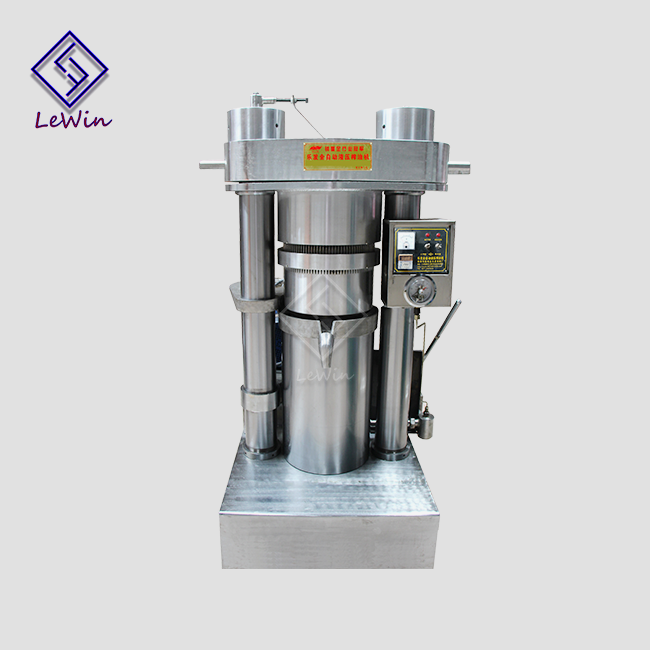
When compared to hydraulic presses that work in batches, screw presses that work continuously produce more overall. Hydraulic systems work best with some hard seeds and can make a little more pure oil in some situations, but they require a lot of work and have to be started and stopped often, which limits the daily amount. The 6YL-120 screw oil presser's continuous feed system keeps the material going quickly through the pressing chamber, cutting down on downtime that hurts profits.
Versatility Across Seed Hardness Spectrum
Soft, oily seeds that get mashed into a paste instead of letting the oil out easily are hard for hydraulic presses to handle. On the other hand, some very hard seeds can damage screw presses that are too small. The industrial edible oil press machine is a good compromise because it can handle both soft perilla seeds and thick, prickly ash seeds without too much wear and tear or upkeep.
Any study of capacities should take energy economy into account. The 6YL-120 screw oil presser uses a reasonable amount of energy per kilogram of seed it processes, with a 15kw power draw. Even though bigger tools may be able to handle more traffic, they often use more energy than they save. When scaled up to the same volume, smaller units sometimes have higher per-unit energy costs because they use less raw power but process a smaller amount of material.
Cost-Effectiveness and Return on Investment
The cost of buying equipment is only one part of the issue for owning it. The 6YL-120 screw oil presser's balanced design keeps upkeep costs low by making parts easy to get to and making it simple to replace worn parts. When purchasing managers look at the total cost of ownership, they should include the purchase price along with the number of upkeep hours, the availability of extra parts, and the risk of downtime.
Seed adaptability has a direct effect on ROI because it lets owners take advantage of market possibilities. If peanut prices go up or demand goes down, a mill that can only handle peanuts could lose money. Because the industrial edible oil press machine is so flexible, it can switch between seeds strategically based on product prices and customer trends. This gives you more stable income than more specialized machines can offer. Many clients have been able to keep their businesses going during market disruptions thanks to this practical freedom.
Conclusion
The 6YL-120 screw oil presser can handle a wide variety of oil-containing seeds thanks to its smart design and sturdy construction. This machine can handle a wide range of crops, from traditional ones like peanuts and sunflowers to new ones like hemp and unique nuts, while still keeping up its speed and quality. It can handle 120 to 160 kg/h, which is a lot for the important mid-market niche. It can handle more than small-scale equipment, but it's not as complicated or expensive as industrial production lines. To get good results with any type of seed, you need to know its specific properties, like how much moisture it has, how hard it is, and how much oil it contains, and then make sure that the machine settings and preparation steps are right for it. Vacuum filtration, automatic temperature control, and the ability to be used for both hot and cold give modern oil producers the operating freedom they need to adapt to changing market conditions and customer tastes. With the right care and support from the provider, this equipment works reliably and builds the basis of successful oil making businesses that use a wide range of seed types and target markets.
FAQ
What seeds work best with the 6YL-120 model?
Peanuts, mustard, sunflower, rapeseed, and flaxseed are just a few of the medium-oil seeds that work really well with this machine. These seeds fit the pressing settings of the machine without needing very high temperatures or pressures. Macadamia and walnut seeds, which have a lot of oil, also process well, though the settings may need to be changed. Some pretreatments, like dehulling or size reduction, can help very hard seeds.
Does seed moisture content affect pressing results?
The amount of moisture has a huge effect on how well extraction works. Most seeds do best when they have between 6 and 12 percent wetness. Too much water makes a paste that clogs the pressing box, and seeds that are too dry might crack instead of releasing oil easily. Checking the moisture levels before processing stops batch fails and keeps the yield steady.
How often should maintenance occur when processing different seeds?
Wear parts need to be checked more often on hard, rough seeds like castor or neem than on soft seeds like sesame. We suggest eye checks every day, deep cleaning once a week, and detailed upkeep checks once a month. Keeping an eye on speed data helps find problems before they cause downtime.
Partner with Lewin for Your Oil Pressing Success
Every 6YL-120 screw oil presser that Lewin makes is backed by our 28 years of experience in the business. As the maker, we have full control over quality, from choosing the parts to putting them together at the end. This way, we can be sure that the equipment we make meets the high standards of industrial oil production. Our full range of services includes designing custom machinery, installing it abroad, planning the production line, and providing quick service after the sale. We offer technical support and guarantee security that turn machine purchases into long-term partnerships, no matter if you run a small cooperative, a regional oil mill, or an import distribution business. Are you ready to find out how the industrial edible oil press machine can help you process seeds better? Email our team at lewinoilpresser@gmail.com for more information on your individual seed varieties, including pricing and thorough specs.
References
Anderson, M. (2019). Oilseed Processing Technology: Principles and Practice. Academic Press.
Chen, L., & Wang, S. (2020). Mechanical extraction of vegetable oils: A review of screw press technology. Journal of Food Engineering, 273, 109-124.
International Association of Seed Crushers. (2021). Global Standards for Oil Extraction Equipment. IASC Technical Publications.
Roberts, K. (2018). Small-Scale Oil Pressing: Equipment Selection and Operation. Practical Action Publishing.
Thompson, D. R., & Phillips, B. S. (2022). Comparative analysis of continuous screw presses for oilseed extraction. Industrial Crops and Products, 178, 114-128.
United States Department of Agriculture. (2023). Oilseed Production and Processing Guidelines. USDA Agricultural Research Service Technical Bulletin.
Learn about our latest products and discounts through SMS or email