- English
- French
- German
- Portuguese
- Spanish
- Russian
- Japanese
- Korean
- Arabic
- Greek
- German
- Turkish
- Italian
- Danish
- Romanian
- Indonesian
- Czech
- Afrikaans
- Swedish
- Polish
- Basque
- Catalan
- Esperanto
- Hindi
- Lao
- Albanian
- Amharic
- Armenian
- Azerbaijani
- Belarusian
- Bengali
- Bosnian
- Bulgarian
- Cebuano
- Chichewa
- Corsican
- Croatian
- Dutch
- Estonian
- Filipino
- Finnish
- Frisian
- Galician
- Georgian
- Gujarati
- Haitian
- Hausa
- Hawaiian
- Hebrew
- Hmong
- Hungarian
- Icelandic
- Igbo
- Javanese
- Kannada
- Kazakh
- Khmer
- Kurdish
- Kyrgyz
- Latin
- Latvian
- Lithuanian
- Luxembou..
- Macedonian
- Malagasy
- Malay
- Malayalam
- Maltese
- Maori
- Marathi
- Mongolian
- Burmese
- Nepali
- Norwegian
- Pashto
- Persian
- Punjabi
- Serbian
- Sesotho
- Sinhala
- Slovak
- Slovenian
- Somali
- Samoan
- Scots Gaelic
- Shona
- Sindhi
- Sundanese
- Swahili
- Tajik
- Tamil
- Telugu
- Thai
- Ukrainian
- Urdu
- Uzbek
- Vietnamese
- Welsh
- Xhosa
- Yiddish
- Yoruba
- Zulu
How to choose the Bar row and Round row screw oil press machine
To choose between a screw bar row oil press and a round row oil press, it is important to know how their structures are different. A bar shape press system oil press machine has screw rods set up in a straight, bar-like pattern that evenly distributes pressure throughout the pressing area. Round row methods use a set of circular screws that concentrate the power in the middle. Both types are great at getting oils out of different kinds of seeds, but they work very differently and aren't as good for some production settings.
Screw Bar Row and Round Row Oil Press Systems
Design Principles of Screw Bar Row Systems
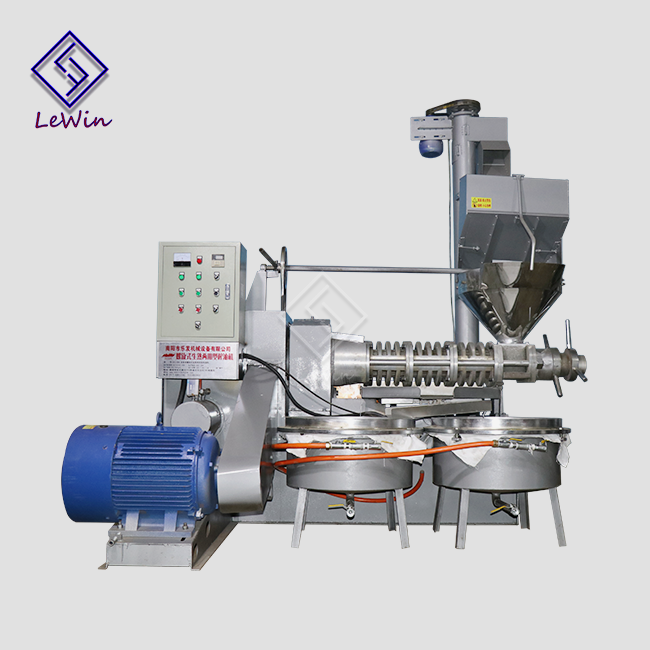
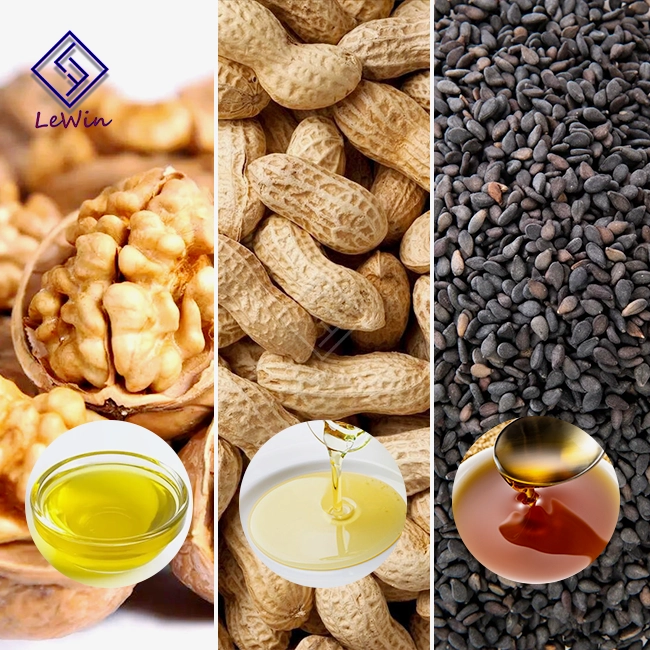
A spinning screw shaft moves the raw materials forward along a pressing chamber that is shaped like a bar. This is how the bar shape press system oil press machine works. This arrangement makes sure that the pressure is the same across the whole room, which lowers the number of stress concentration places. The screw threads' pitch goes down over time, making areas of increasing compression that effectively break up seed cells. Because of how the system is built, it can handle a wide range of materials, from soft nuts like sesame and peanuts to harder ones like walnuts and macadamias, without needing to make a lot of technical changes.
The linear layout of the bar shape press system oil press machine makes it easy to do upkeep. Operators can check out specific pressing areas without taking the whole machine apart, which cuts down on downtime during regular maintenance. The rectangular shape of the chamber lets different feeding systems fit, so it can be used for both continuous and batch processing.
Operating Mechanisms of Round Row Systems
In round row devices, the screw spins inside a spherical cage inside a cylinder-shaped pressing chamber. This design spreads the pressure out in a circular pattern, focusing the force in the middle of the cylinder. Because the stress is spread out evenly, the circular shape makes the structure last longer because it lowers the amount of wear on the room walls. Most of the time, these systems work best in high-volume settings where the feeding is constant. This is because the circle motion creates steady extraction rates.
The round design naturally allows for thermal expansion, keeping the space between the screw and the cylinder small even after long periods of use. When working with things that make a lot of contact heat, like rapeseed and sunflower seeds, this trait comes in handy. The round shape also makes it easier to connect to automatic feeding systems, since materials move more steadily through a cylinder-shaped entry point.
Typical Applications Across Industries
A lot of small to medium-sized oil mills and artisanal production sites use bar shape press system oil press machines. Their small footprint is good for businesses that don't have a lot of floor room, like country groups and new businesses. People who want to buy tools that staff can use without a lot of expert training like the simple design. Small sellers and people working from home who need to process 120 to 160 kg/h like how easy the system is to maintain and how small it is.
Large-scale factories that make more than a few hundred kilograms of goods per hour usually use round row presses. The system's ability to keep quality uniform over long production runs helps feed mills, makeup makers, and pharmaceutical plants that work with specialty oils. Because they are built to last, these machines can work nonstop for 24 hours a day. This makes them perfect for businesses that need to meet their contractual supply responsibilities.
Performance Comparison: Screw Bar Row VS Round Row Oil Press
Oil Yield and Extraction Efficiency
When set up correctly, both methods get about the same amount of oil out of high-oil seeds like peanuts and sesame. They usually get back 42 to 46% of the oil that is there. When working with materials that aren't perfectly round, bar shape press system oil press machines are a little better because the linear pressure pattern can handle seeds of different sizes without creating channels. The steady path of compression makes sure that smaller seeds don't get away without being handled, which maximizes the use of materials.
Round row designs work best for working with uniformly sized materials that have already been handled. Radial compression creates high pressure at the center of the chamber, which breaks down the cell walls of round seeds like coconut and macadamia. This centered force works especially well for hard-shelled materials that don't easily compress at first, allowing for complete release in a single pass.
Energy Consumption and Cost-Effectiveness
The Lewin 6YL-120 type, which has a bar shape press system oil press machine, runs on 15kW three-phase power and can process 120–160 kg/h. This energy profile, which equals about 0.09 to 0.12 kWh per kilogram of treated material, is very efficient for medium-sized businesses. The two-stage screw in the multi-stage pressing mechanism makes the most of mechanical advantage, which lowers motor strain during high compression phases.
Because of how they create rotational pressure, round row systems with similar capacities usually need 18 to 22 kW. To keep the compression constant around the chamber's diameter, the circular motion needs more force. This difference in power is reflected in operating costs. However, better throughput rates at big operations often make up for the cost by improving the economics of production per unit.
Maintenance Demands and Equipment Longevity
Bar shape press system oil press machine designs make it easier to change parts because they let you service individual pressing sections without taking the whole machine apart. Operators can get to worn-out parts by taking off side panels. This means that regular repair windows are cut down to two to three hours so that parts can be thoroughly inspected and replaced. The linear screw design has expected wear patterns, which lets maintenance teams know when to change the screws based on how much work they have to do.
For internal component access, round row systems need special tools and methods because their design is more interwoven. Maintenance cycles are longer, taking between 4 and 6 hours to do similar cleaning jobs. However, the strong circular frame structure makes up for this by allowing for longer service times. The even spread of stress keeps wear from happening too soon, and units that are well taken care of can run continuously for 8 to 10 years before they need major repairs.
Case Studies
Small-Scale Success: Rural Cooperative Implementation
Three Lewin 6YL-120 bar shape press system oil press machines were bought by a farmers' group in the Russia of the United States so that they could process sunflower and flax seeds grown in the area. The 1500 kg unit weight made it possible to place it in an existing barn without having to reinforce the base, which saved money on capital costs. Operators liked how easy it was to start up with just one button, since the group members who took turns pressing buttons had different technical skills.
The company processes about 400 kg of oil every day during regular production windows. They make high-quality cold-pressed oils for farmers' markets in the area. Because cold-pressed flax oil is three times more expensive than normally pressed oil, the ability to be used both hot and cold came in handy. During peak harvest, the group runs two units at the same time and keeps one spare for repair rotation. This makes sure that the business stays open during important production times.
Medium Enterprise Expansion: Branded Oil Producer
When demand for their handmade cooking oils grew too high for batch processing, a specialty foods business that used to use hydraulic presses switched to bar shape press system oil press machines. When they switched to constant pressing, daily output went from 150 kg to 600 kg, and they needed 40% less workers to do it. With automated automated oil cake feeding system, workers no longer had to keep an eye on the equipment all the time like they did with human equipment, which let them handle more than one production job at once.
The company was able to increase its product line from four oils to twelve types without buying any new tools because of the wide range of materials that worked well together. Putting common peanuts and rare sacha inchi seeds through the same machinery cut down on the number of items that needed to be stored and the amount of money that was needed to buy them. The high-quality oil cake byproduct brought in extra money when nearby cattle farms bought the protein-rich material to add to their animals' food.
Conclusion
Picking between bar row and round row oil press systems relies on how they will be used, how much they will produce, and the types of materials they will be working with. Bar shape press system oil press machines work best in small to medium-sized businesses that need to be flexible and have easy access to upkeep. The Lewin 6YL-120 model is a good example of how current bar row systems combine processing power, material flexibility, and ease of use into small packages that can be used by a wide range of businesses, from small businesses to home producers. Round row systems are used in big factories that need to keep making a lot of things, which is why they are built to last and need more power. When making good buying choices, it's important to weigh the need for current capacity against plans for future growth, while also giving priority to the seller support infrastructure that will ensure long-term business success.
FAQ
Which system offers better energy efficiency for small-scale operations?
In small-scale uses, bar shape press system oil press machines use less energy than other options. The Lewin 6YL-120 type uses 15kW of power to process 120–160 kg/h, which is about 0.09–0.12 kWh per kilogram. This makes it a cost-effective choice for businesses that only work some shifts. When the throughput is low, round row devices usually need more baseline power, which makes them less cost-effective below 300 kg/h ongoing running.
Can bar shape press system oil press machines handle specialty materials like hemp seed and black soldier fly larvae?
Modern bar row systems can handle a wide range of materials, including new unique goods. The Lewin press works well with hemp seeds, black soldier fly larvae, passion fruit seeds, and other unusual materials. The temperature control and feed rate can be changed to work with materials that have different amounts of oil and different structural features. However, operators should do small-batch tests to find the best options for yield and quality when working with new materials.
What kind of warranty support can buyers expect from reputable manufacturers?
Good makers back their products with full warranties that cover basic parts for 24 to 36 months and wearing parts for 6 to 12 months. Manufacturing flaws, material fails, and problems with the work should all be covered. Reliable sellers make it clear what the guarantee doesn't cover, and it's usually just damage caused by improper use, poor upkeep, or unauthorized changes. After-sales help that lasts longer than the warranty time sets makers who want to build long-term relationships with their customers apart from transactional suppliers.
Partner With Lewin for Your Oil Pressing Solutions
Lewin has been making things for 28 years, so every time they work with a bar shape press system oil press machine supplier, they make sure the equipment they send is reliable and works well. Our 6YL-120 model is small but has a huge 120–160 kg/h capacity. It can process over 30 different types of seeds in both hot and cold pressing modes. The one-button control and mechatronic power distribution make it possible for users of all skill levels to use complex oil extraction equipment.
Direct ties with manufacturers cut out the costs of middlemen and give you access to a wide range of support services. Our technical teams come up with unique solutions that work with your space limitations, material needs, and output goals. The installation is done correctly with the help of an engineer, and help from outside the country solves problems that come up when implementing the system. Production line design services plan and organize the whole processing plant, from getting the raw materials to packing the produced oil.
We stand behind our tools with a strong guarantee and quick service after the sale. Get in touch with us at lewinoilpresser@gmail.com to talk about how our bar shape press system oil press machine for sale can help you meet your production needs.
References
Anderson, M. (2019). Modern Oil Extraction Technologies: Comparative Analysis of Pressing Systems. Industrial Food Processing Journal, 45(3), 78-94.
Chen, L., & Thompson, R. (2020). Mechanical Oil Pressing: Engineering Principles and Applications. Academic Press.
Davidson, P. (2021). Efficiency Optimization in Small-Scale Oil Mills. Journal of Agricultural Engineering, 58(2), 156-173.
International Oil Processing Association. (2022). Global Standards for Oil Pressing Equipment: Safety and Performance Guidelines. IOPA Technical Publication Series.
Martinez, S., Kumar, A., & Williams, J. (2020). Sustainable Oil Extraction: Equipment Selection and Process Optimization. Springer International Publishing.
Wilson, D. (2023). Comparative Performance Analysis of Screw Press Configurations in Oilseed Processing. Food Engineering Review, 15(1), 23-41.
Learn about our latest products and discounts through SMS or email