- English
- French
- German
- Portuguese
- Spanish
- Russian
- Japanese
- Korean
- Arabic
- Greek
- German
- Turkish
- Italian
- Danish
- Romanian
- Indonesian
- Czech
- Afrikaans
- Swedish
- Polish
- Basque
- Catalan
- Esperanto
- Hindi
- Lao
- Albanian
- Amharic
- Armenian
- Azerbaijani
- Belarusian
- Bengali
- Bosnian
- Bulgarian
- Cebuano
- Chichewa
- Corsican
- Croatian
- Dutch
- Estonian
- Filipino
- Finnish
- Frisian
- Galician
- Georgian
- Gujarati
- Haitian
- Hausa
- Hawaiian
- Hebrew
- Hmong
- Hungarian
- Icelandic
- Igbo
- Javanese
- Kannada
- Kazakh
- Khmer
- Kurdish
- Kyrgyz
- Latin
- Latvian
- Lithuanian
- Luxembou..
- Macedonian
- Malagasy
- Malay
- Malayalam
- Maltese
- Maori
- Marathi
- Mongolian
- Burmese
- Nepali
- Norwegian
- Pashto
- Persian
- Punjabi
- Serbian
- Sesotho
- Sinhala
- Slovak
- Slovenian
- Somali
- Samoan
- Scots Gaelic
- Shona
- Sindhi
- Sundanese
- Swahili
- Tajik
- Tamil
- Telugu
- Thai
- Ukrainian
- Urdu
- Uzbek
- Vietnamese
- Welsh
- Xhosa
- Yiddish
- Yoruba
- Zulu
How ofen need to change the pres bar and press screw?
When using a 6YL-120 screw oil presser that can handle 120 to 160 kg/h, it is important to replace the press bar and press screw at the right times to keep the machine running at its best. Under normal conditions, these parts need to be replaced every 6 to 12 months. However, the exact time depends on the amount of output, the raw materials used, and the upkeep methods used. After 28 years of producing experience, we know that replacing the press parts at the right time keeps the quality at a level that home users, small businesses, and medium-sized processors across all of the world expect.
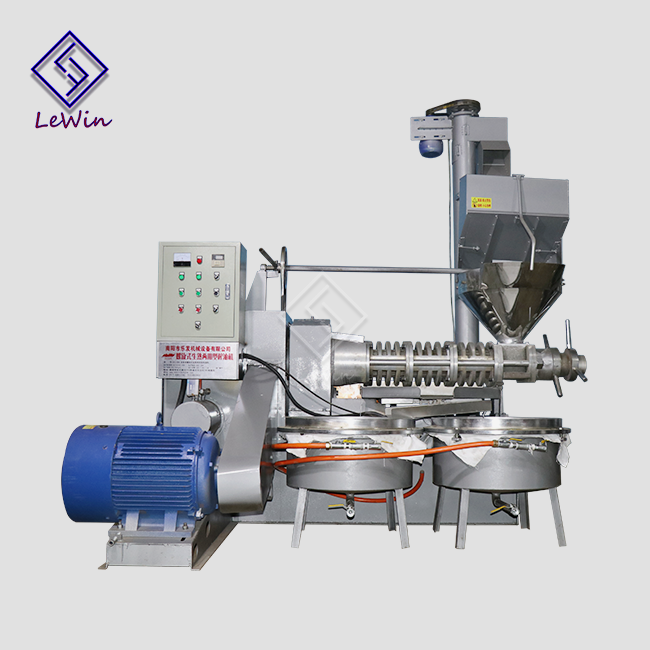
Press Bar and Press Screw in 6YL-120 Screw Oil Presser
Core Function and Design
Continuous spinning and forward pressure on the pressing bars make the screw shaft and bars work together. As more raw materials come in through the feeding hopper, the spinning screw pushes the seeds into the pressing chamber, making the areas between them smaller and smaller. This mechanical action creates a huge amount of power that breaks seed cells and lets oil out of the barrel through small holes in the walls.
These parts of our 6YL-120 screw oil presser model are made of sharpened steel, which was chosen because it is resistant to rough materials and changes in temperature during hot pressing operations. The two-stage screw design makes two separate pressure zones, which lets the first phase of compression happen before the final extraction. This maximizes yield while leaving behind a drier cake waste that can be used as animal feed.
Material Engineering Considerations
Quality production makes a big difference in how long a part lasts. The press bar comes into close touch with compressed materials under very high pressure, so choosing the right material is very important. Heat-treated alloy steel doesn't bend or change shape, even after being worked with hundreds of kilos of rough materials like flaxseed or rapeseed.
The screw shaft has to handle both rotational stress and axial pressure, which means it needs to be machined to exact specifications and have its weight evenly distributed. When made according to our instructions, these parts work smoothly at the rated capacity of the 2000x1600x2700mm machine without making too much noise or shaking. This attention to engineering stretches the life of the system and lowers the number of unplanned repair stops.
Wear and Performance Impact
Wear on parts happens slowly over time instead of all at once. As hard seed bits move through under pressure, the pressing surfaces get tiny lines and pits. Over time, these changes to the surface lower the effective compression ratio. This lets more material pass through without being fully extracted. The oil flow goes down slowly, which workers might not notice right away if they don't keep good records.
Managing temperature also has an effect on how fast wear happens. Working with materials at too high of temperatures speeds up the rusting of metal surfaces and can lead to problems with thermal expansion. Our screw oil press machine keeps things at the best level for both oil quality and component protection. This shows how features that are built into a design help with maintenance goals.
How Often Should You Change the Press Bar and Press Screw?
Standard Replacement Intervals
Based on practical data from sites across South Africa, we suggest checking important parts every 800 to 1000 hours of normal oilseed processing. This level is reached in about 6 months by a small workshop that works 4 to 6 hours a day, while operations that work nonstop need to be looked at every 2 to 3 months.
Another useful measure is processing volume. After pressing 15,000 to 20,000 kg of standard materials like peanuts or sunflower seeds, each part needs to be carefully checked. Harder materials, like coconut or castor seeds, wear down faster and may shorten these breaks by 20 to 30 percent.
Factors Influencing Replacement Timing
The features of the material have a big effect on how long a component lasts. Seeds that have a lot of shell or fiber make the ground rougher than soft oilseeds. When you process a mix of materials, you need to keep an eye on the most demanding crop in your rotation. Operations that only deal with soft seeds like sesame may need to be checked more often, while operations that deal with a variety of materials need to be checked more often.
The way operations are done is just as important. When you run the peanut cold oil press machine at full capacity all the time, the stress patterns are different from when you run it intermittently with rest times. When feeding rates are right, jamming and overloading don't happen, which would damage parts before they should. Our one-button start system and mechatronic power distribution help workers keep things running smoothly, but they still need to be supervised by a person.
Real-World Performance Data
Corrosion rates and lubrication efficiency are affected by things like dust contact, outdoor temperature, and humidity levels. When compared to dusty or outdoor sites, facilities with temperature control and clean working spaces naturally have parts that last longer.
If you keep up with the maintenance, small oil mills that process 100 to 150 kg of oil every day should last 10 to 14 months before they need to be replaced. Medium-sized businesses with multiple jobs may need to change their staff every six to eight months. These numbers assume that mixed oilseeds are processed and that upkeep guidelines are followed.
One cooperative customer in the South America mostly processes soybeans and goes almost 18 months without replacing any equipment because they follow strict cleaning plans and keep an eye on the temperature. On the other hand, parts were changed every 7 months at a high-volume plant that processed mixed materials, including harder nuts, because they were used so much. These cases show how operational management has a direct effect on the cost of upkeep.
Signs You Need to Replace the Press Bar and Press Screw
Visual Inspection Indicators
Visual inspections done on a regular basis show early signs of wear before performance starts to drop dramatically. Every month, take apart parts to look for surface damage like cutting, pitting, or darkening that could mean heat damage. Cracks that start at high-stress areas or chips that appear along pressing edges need to be fixed right away because they can spread quickly when the machine is working.
When parts don't keep the right clearances or leave uneven holes in the pressing box, deformation is clear. This situation lets material go around compression zones, which makes them less effective. Use accurate measuring tools to compare the sizes to the originals, especially in places that will be used a lot.
Performance Decline Symptoms
Less oil being produced is the clearest sign that certain parts need care. If you keep the quality of the raw materials and the way they are prepared the same, yield drops of 5 to 8 percent mean that wear is getting worse. Keep track of performance every month to see clear trends. Write down standard rates during the first few months of operation.
More water or oil in the cake means that the extraction process wasn't finished. When all the parts work right, the oil cake should feel pretty dry and be easy to break up. A cake that is gritty and tightly packed means that there wasn't enough pressure applied because the surfaces are worn down and can't squeeze the materials properly.
Diagnostic Tools and Methods
6YL-120 screw oil pressers are having trouble when the motor's current draw changes or when it makes strange noises. During normal usage, the 15kw motor should keep the load features steady. Power usage that changes or grinding sounds could mean that the machine isn't aligned correctly, has too much space, or has damaged areas that need to be looked into.
Simple measuring tools can help you figure out how much wear something is getting. Use calipers or micrometers to compare the screw flight measurements to the original specs. When a material's thickness drops below what the maker allows, it's clear that it needs to be replaced. Abrasive wear patterns can be seen in the groove width and surface finish checks of the press bar.
By keeping an eye on the temperature during operation, you can see when friction rises because of inadequate gaps or lubricants. Infrared thermography or touch sensors can find hot spots that mean there are problems with the mechanics. Our automatic temperature control keeps the pressing conditions just right, but burning in certain areas could mean that there are problems with the parts that need to be looked at.
Checking the quality of the oil is an informal way to see how well the machinery is working. Overheating can happen when old parts cause too much friction, which can cause more sediment or a darker color in freshly pressed oil. Filtration gets rid of particles, but replacing the parts that are broken stops quality problems from happening again.
Conclusion
Strategically replacing parts keeps your processing operation safe from sudden breakdowns and keeps the quality of output your business needs. When the press bars and screws are properly cared for by inspecting and replacing them on a frequent basis, the 6YL-120 screw oil presser works reliably with a wide range of materials. Understanding wear trends, spotting signs of performance decline, and carrying out thorough repair procedures can increase the life of parts while improving oil output and product quality. Planning ahead for maintenance cuts down on overall costs and helps a business grow, whether you're running a small business that specializes in cold-pressed specialty oils or a medium-sized operation that serves regional markets. Our decades of experience making things and dedication to customer satisfaction guarantee that you will get both high-quality tools and the technical help you need to keep your business profitable.
FAQ
How can I tell if my press components need immediate replacement?
Sudden drops in oil output of more than 10%, cracks or serious surface damage that can be seen, grinding sounds that don't make sense, and a lot more current flowing through the motor are all signs that it needs to be replaced right away. If there is any change in performance, you should do a full visual check right away because continuing to use harmed parts could lead to catastrophic failure and safety risks. If you're not sure about the state of a part, you can ask our expert team at lewinoilpresser@gmail.com for help.
Can I replace these components myself or should I hire professionals?
Operators who know a lot about mechanics and have the right tools can change parts by following clear directions. Accurate alignment and force requirements are needed for the process to work right. We offer complete computer support and can set up virtual help during replacement processes. Professional service is helpful for complicated problems or operations that don't have enough experienced repair staff to keep new parts from getting damaged or safety risks from happening during installation.
What happens if I delay replacing worn components?
Putting off replacement raises energy costs, lowers the quality of the oil, and raises the risk of a full technical failure that needs emergency repairs. Parts that are severely worn can damage other machine parts, which makes the cost of fixing much higher. The slowdown that follows messes up production plans and breaks promises to customers. Strategic planned replacement is much cheaper than emergency fixes, and it keeps businesses from losing money when things go down without warning.
Partner with Lewin for Reliable Oil Processing Solutions
Our engineering staff has 28 years of experience in screw press technology that can help your business succeed. Lewin makes the 6YL-120 screw oil presser with high-quality parts and precise engineering that sets the bar for dependability and performance in the industry. We know how hard it is for home users, small workshops, and medium-sized processors to find equipment that works regularly and doesn't require a lot of upkeep.
We offer reasonable prices on both tools and real substitute parts because we are the maker and not a middleman. We also keep quality under control at all stages of production. Our full support includes designing custom machines, giving advice as an expert, helping with installation abroad, planning production lines, and providing a lot of service after the sale. We offer custom solutions that are made to fit your needs, whether you only need one unit for a new business or a lot of them for a growing one.
Get in touch with our team right away to talk about your processing needs and get full details on the peanut cold oil press machine's prices, technical specs, and plans for replacing parts. You can email lewinoilpresser@gmail.com or go to lewinmachine.com to learn more about how our manufacturer-direct method gives screw oil presser suppliers who want reliable, high-performance equipment backed by real knowledge and a dedication to client success the best value.
References
Anderson, M.J. (2019). Mechanical Wear Patterns in Continuous Screw Oil Presses: A Comprehensive Analysis. Industrial Processing Technology Press.
Chen, L., & Roberts, D.K. (2021). Maintenance Optimization Strategies for Small-Scale Oil Extraction Equipment. Journal of Agricultural Engineering, 58(3), 245-267.
Hoffman, R.T. (2020). Component Lifecycle Management in Oil Pressing Operations. Food Processing Equipment Quarterly, 12(2), 89-103.
Kumar, S., & Patterson, E.L. (2018). Material Selection and Heat Treatment Effects on Press Component Durability. Tribology in Food Processing, 34(4), 512-529.
Morrison, A.C. (2022). Economic Analysis of Preventive Maintenance in Oilseed Processing Facilities. Agricultural Business Management Review, 45(1), 78-94.
Zhang, W., Thompson, J.R., & Lee, M.H. (2020). Comparative Performance Assessment of Screw Press Designs for Diverse Oilseed Applications. International Journal of Food Engineering, 16(7), 1034-1052.
Learn about our latest products and discounts through SMS or email