- English
- French
- German
- Portuguese
- Spanish
- Russian
- Japanese
- Korean
- Arabic
- Greek
- German
- Turkish
- Italian
- Danish
- Romanian
- Indonesian
- Czech
- Afrikaans
- Swedish
- Polish
- Basque
- Catalan
- Esperanto
- Hindi
- Lao
- Albanian
- Amharic
- Armenian
- Azerbaijani
- Belarusian
- Bengali
- Bosnian
- Bulgarian
- Cebuano
- Chichewa
- Corsican
- Croatian
- Dutch
- Estonian
- Filipino
- Finnish
- Frisian
- Galician
- Georgian
- Gujarati
- Haitian
- Hausa
- Hawaiian
- Hebrew
- Hmong
- Hungarian
- Icelandic
- Igbo
- Javanese
- Kannada
- Kazakh
- Khmer
- Kurdish
- Kyrgyz
- Latin
- Latvian
- Lithuanian
- Luxembou..
- Macedonian
- Malagasy
- Malay
- Malayalam
- Maltese
- Maori
- Marathi
- Mongolian
- Burmese
- Nepali
- Norwegian
- Pashto
- Persian
- Punjabi
- Serbian
- Sesotho
- Sinhala
- Slovak
- Slovenian
- Somali
- Samoan
- Scots Gaelic
- Shona
- Sindhi
- Sundanese
- Swahili
- Tajik
- Tamil
- Telugu
- Thai
- Ukrainian
- Urdu
- Uzbek
- Vietnamese
- Welsh
- Xhosa
- Yiddish
- Yoruba
- Zulu
How to increase the oil yield of the screw model oil presser?
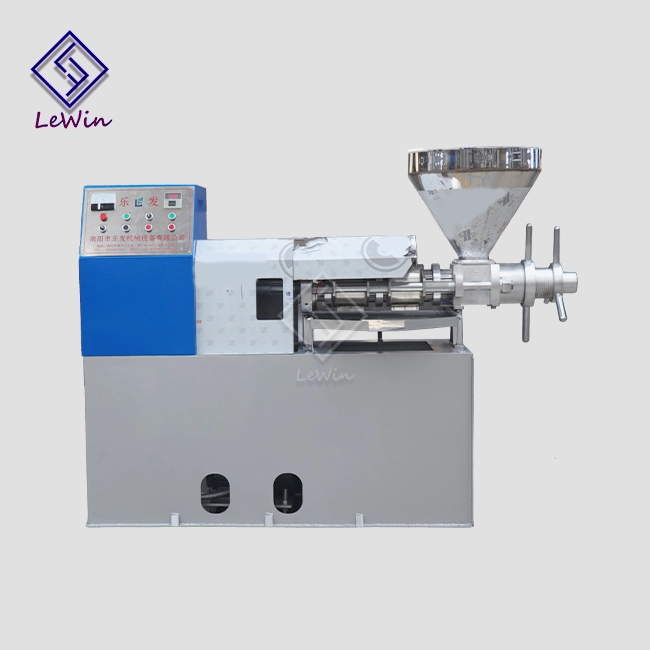
To get the most oil out of your screw presser, you need to prepare the raw materials correctly, keep the temperature just right, and feed the materials at the right rate. When used properly, the 6YL-120 screw oil presser's dual-stage compression method and automatic temperature regulation make it very good at extracting oil. By learning these basics, you can turn equipment that isn't working well into an asset that makes money, cutting down on waste and improving the quality of oil from sesame, peanut, sunflower, and many other types of oilseeds.
Current Performance and Bottlenecks of the 6YL-120 Screw Oil Presser
Core Specifications and Baseline Performance Expectations
The 6YL-120 screw oil presser has a 15kw three-phase power system, is 2000mm long, 1600mm wide, and 2700mm high, and weighs 1500 kg. If set up correctly, this equipment should be able to remove between 35 and 45% of most oilseeds. However, this will rely on the type of seed, its moisture content, and the operating conditions. Sunflower seeds give between 38 and 42%, peanuts give between 42% and 48%, and sesame seeds give between 48 and 52%.
Knowing these standards can help you figure out when your equipment isn't working as well as it should. Many companies are happy with harvest rates that are 8–12% below their ideal capacity because they don't have any other data to compare them to. We've checked out sites where making small changes boosted daily output by 15 to 18 kg of oil without spending more on raw materials—it was a pure improvement in the margins.
Common Mechanical Bottlenecks Limiting Extraction Efficiency
The most noticeable loss of effectiveness over time is caused by wear patterns on the pressing screw and press bar. The helical turns on the screw shaft squeeze and move oilseeds through spaces that get smaller and smaller, creating pressure that breaks down cell walls and releases oil. When these surfaces wear down unevenly, the pressure doesn't spread evenly, leaving behind areas of material that hasn't been handled enough.
Changes in temperature are another important bottleneck. Even though the 6YL-120 screw oil presser has automatic temperature control, many users forget to calibrate and maintain the sensors. When temperatures fall below the ideal range, oil gets stuck in cell structures, and when temperatures rise too high, oil quality goes down and nutrient compounds are damaged. For optimal results, it is important to keep the pressing room between 160°F and 180°F when extracting sesame oil.
Large yield losses are caused by uneven feeding, which workers often mistake for poor quality raw materials. This model's hopper is designed to keep the flow steady, but changes in seed size, moisture content, or feeding speed cause pressure to rise and fall throughout the screw chamber. These changes make it impossible for the tools to keep up the steady force that is needed for full extraction.
Key Causes Reducing Oil Yield and How to Address Them
Raw Material Quality and Preparation Requirements
The amount of moisture has a huge effect on how well extraction works. Most oilseeds need between 6 and 8 percent moisture to press properly—enough to keep them from becoming rigid while still letting the cell walls break properly. Too much water (above 10%) makes the seeds slide through the screw instead of compacting, and too little water (below 4%), on the other hand, breaks the seeds into tiny pieces that get stuck in the filters.
We suggest buying a simple wetness meter to check the quality of the food before it is processed. Testing new batches only takes minutes and saves hours of pressing that isn't up to par. The conditions of keeping are also important. For example, seeds that are stored in a warehouse and receive humidity from the air eventually lose moisture. Store things in a climate-controlled space or test the moisture levels often to stop this degradation.
Even distribution of seed sizes changes the consistency of feeding and the spread of pressure. When you mix small and large seeds together, they leave gaps in the pressing chamber that are filled by smaller particles, which changes the compression gradient. Screening raw materials through sieves of the right size before pressing them makes sure that the flow is even and that the pressure builds up evenly. Many sites skip this step because they think that being of different sizes will make the average.
Critical Operational Parameters Requiring Fine-Tuning
Managing temperature is very different for each type of seed. The 6YL-120 screw oil presser has an automatic control system that keeps temperatures at the right levels, but workers must set the right goals for each material. Hemp and flax seeds are high in omega-3 fatty acids, but they break down above 120°F, so they need to be processed in a cold press. On the other hand, rapeseed and soybean oils flow better when temperatures hit 200°F, which lowers their viscosity.
The rate of feeding is directly related to the time it takes for pressure to build up and stay there. Rapid feeding exceeds the screw's ability to squeeze, forcing partially processed material through before it can be fully extracted. Slow feeding doesn't make the most of the capacity and uses more energy per kilogram handled. The 6YL-120 screw oil presser works best at processing 120–160 kg/h; keeping feeding steady within this range increases both yield and throughput.
Pressure adjustment through the output cone controls residence time and compression intensity. Tightening the cone raises the backpressure in the chamber, which speeds up the extraction process but could put stress on the equipment. When pressure is lowered by loosening, output goes up but yield goes down. To find the balance point, you have to try with different types of seeds and keep an eye on the oil cake moisture—a properly pressed cake still has 6–8 percent oil left over.
Maintenance Activities That Preserve Peak Performance
Cleaning procedures stop the building of oil waste that reduces the size of the chamber over time and changes how the pressure works. For facilities that are used all the time, we suggest taking the pressing box apart and cleaning it once a week. Pay close attention to the screw shaft and barrel because carbonized oil layers stop heat from moving and create hot spots that damage new oil as it passes through.
Schedules for lubrication have a direct effect on how well machines work and how long parts last. The gearbox that drives the screw shaft is under a lot of stress, which makes friction heat that wears away lubrication over time. Preventing early wear is as easy as checking the oil level once a week and changing the lube every 500 hours of use. Many workers make these gaps longer, but they don't realize that they're losing extraction efficiency because more friction takes power away from the compression process.
When normal wear goes beyond what is acceptable, the part needs to be replaced. Depending on how rough the seeds are and how the machine is used, the grinding screw usually needs to be replaced after processing 50 to 80 tons of material. Visual inspection shows signs of wear, such as uneven flight heights, smooth edges, or cutting on the shaft surface, which all mean that the compression strength has decreased. Putting off repair costs more in missed yield than the price of the part.
Practical Techniques and Optimization Strategies to Boost Oil Yield
Enhanced Screw Design and Mechanical Modifications
The 6YL-120 screw oil presser's two-stage screw design makes progressive compression zones that raise pressure gradually while moving material. Knowing this idea helps workers see places where they can make things more unique. When processing mostly soft seeds like sesame, the flight patterns are a little different from when processing mostly hard nuts like macadamia. Lewin's technical team can suggest screw versions that work best with your main seed types.
A trait of this type that isn't used enough is secondary cake feeding. The leftover oil cake from the first pressing still has 6 to 8 percent oil that can be extracted. This cake can be fed back through the presser for a second time to get more output with less energy use. Second-pass processing is a good way for facilities that process high-value oils like walnut or pine nut to make money because it adds 3–5% to the total output.
Press system modifications improve heat distribution and pressure consistency. Some workers notice cold spots near the feeding hopper. This is because room-temperature seeds that come in soak up heat from the barrel. Adding shielding or extra heating elements to this zone keeps the temperatures stable, which is especially important for cold-press uses where quality is determined by narrow temperature gaps.
Process Flow Optimization and Automation Integration
Heating the seeds ahead of time lowers the temperature load on the machinery and speeds up the extraction process. Before going into the hopper, simple heating rollers or warming bins get the seeds to the right temperature for pressing. This step of preparation makes the oil more fluid, shortens the time it takes to remove, and makes the oil clearer so it needs less filtering. The vacuum filter method in the 6YL-120 screw oil presser works better when the viscosity of the oil stays the same.
Integrating basic sensors transforms guesswork into data-driven operation. Multiple temperature probes placed along the pressing box show hot and cold spots that need to be adjusted. Pressure indicators measure how hard the compression is, and if there are problems with the feed or the machinery, they let the workers know before they have a big effect on the yield. These improvements don't cost much for what they give you in terms of efficiency information.
Automated filling systems get rid of the need for people to change how hoppers are loaded. Pressure and temperature stay the same during shifts and between workers because of consistent flow rates. Volumetric feeds or belt conveyors that are set up to work with the 6YL-120 screw oil presser's best processing rate make sure that the equipment always works at its most efficient level.
Conclusion
To get the most oil out of screw press tools, you need to know how the quality of the raw materials, the operating conditions, and the mechanical repair all work together. Controlling moisture, making sure the temperature is just right, eating consistently, and doing regular maintenance are all techniques that, when used consistently, lead to measured gains. The 6YL-120 screw oil presser is a flexible and effective tool that can process a wide range of oilseeds at reasonable extraction rates. Finding the right tools is only half the job. Being able to use it correctly and keep it in good shape are the other half. Facilities that approach oil pressing as a science rather than a regular task always do better than their rivals, turning small gains in yield into big profits.
FAQ
What extraction rates should I expect from the 6YL-120 with different oilseeds?
Rates of extraction depend on the type of seed and the operating conditions. On average, sesame seeds produce 48–52%, peanuts produce 42–48%, sunflower seeds produce 38–42%, and hemp seeds produce 30–35%. When you use properly prepared raw materials that have a moisture content of 6 to 8 percent and the right temperature and feeding rates, you always get results in these ranges. Lower yields are usually caused by working factors that can be changed, not by machine limits.
How frequently should I perform maintenance on the pressing chamber and screw assembly?
Cleaning the filter system and oil collection places every day keeps residue from building up. The pressing box is taken apart and cleaned thoroughly once a week to keep it working at its best for facilities that are always in use. Every 500 hours of use, the screw shaft needs to be inspected, and after processing 50 to 80 tons of material, it usually needs to be replaced. Every week, the lubrication of the gearbox should be checked, and every 500 hours, the oil should be changed completely.
Can the 6YL-120 handle specialty seeds like hemp, sacha inchi, or black soldier fly larvae?
This 6YL-120 screw oil presser can process more than 30 types of oilseeds, including new and unusual ones. For hemp and flaxseed, the cold-press settings need to keep the temperature below 120°F. Sacha inchi and passion fruit seeds can be processed well at room temperature. Black soldier fly larvae are being used more and more in sustainable protein production. They have 30 to 40 percent oil that can be extracted and can be processed safely at 140 to 160°F. Because the tools can be used in many ways, it can be used to look into new oil markets.
Partner with Lewin for Superior Oil Extraction Performance
To get consistent, high-yield oil extraction, you need good tools and solid expert help. Lewin is a 6YL-120 screw oil presser supplier with 28 years of experience in its field. It offers designed solutions and full service. Our technical team makes unique specs for machinery, designs production lines, creates blueprints, and helps with installations abroad. We know that buying industrial equipment is a big investment. That's why we continue to support you after the sale with specialized service, warranty coverage, and continued engineering advice.
Contact our team at lewinoilpresser@gmail.com to discuss your unique pressing needs. We'll look at the types of oilseeds you have, the space you need, and your business goals to help you choose the best configurations. Our knowledge will help you choose solutions that give you a clear return on investment (ROI), whether you're starting a new pressing business or improving the ones you already have. You can look at our whole selection of oil pressing tools at lewinmachine.com and ask for full technical specs. Our helpful buying support team can help you get prices, figure out how to ship your items, and make plans for large orders that fit your budget and time frame.
Whatsapp: +8615638538073
Email: lewinoilpresser@gmail.com
References
- Anderson, M.J. (2019). Mechanical Oil Extraction: Principles and Industrial Applications. Food Processing Technology Press.
- Chen, L. & Roberts, K. (2021). "Optimization of Screw Press Parameters for Maximum Oil Yield from Diverse Oilseeds." Journal of Agricultural Engineering Research, 68(3), 234-247.
- Martinez, D. (2020). Commercial Oil Pressing Equipment: Selection and Operation Guide. Industrial Food Systems Publishing.
- Thompson, R.E., Walsh, P., & Kumar, S. (2022). "Economic Analysis of Small-Scale Oil Pressing Operations in North America." Agribusiness Economics Quarterly, 45(2), 112-128.
- Wilson, J.K. (2018). Oilseed Processing Technology: From Traditional Methods to Modern Automation. Agricultural Engineering Institute.
- Zhang, Y. & Miller, B.D. (2021). "Maintenance Protocols for Continuous Screw Press Systems: Impact on Longevity and Performance." Industrial Maintenance Engineering, 29(4), 78-91.
Learn about our latest products and discounts through SMS or email