- English
- French
- German
- Portuguese
- Spanish
- Russian
- Japanese
- Korean
- Arabic
- Greek
- German
- Turkish
- Italian
- Danish
- Romanian
- Indonesian
- Czech
- Afrikaans
- Swedish
- Polish
- Basque
- Catalan
- Esperanto
- Hindi
- Lao
- Albanian
- Amharic
- Armenian
- Azerbaijani
- Belarusian
- Bengali
- Bosnian
- Bulgarian
- Cebuano
- Chichewa
- Corsican
- Croatian
- Dutch
- Estonian
- Filipino
- Finnish
- Frisian
- Galician
- Georgian
- Gujarati
- Haitian
- Hausa
- Hawaiian
- Hebrew
- Hmong
- Hungarian
- Icelandic
- Igbo
- Javanese
- Kannada
- Kazakh
- Khmer
- Kurdish
- Kyrgyz
- Latin
- Latvian
- Lithuanian
- Luxembou..
- Macedonian
- Malagasy
- Malay
- Malayalam
- Maltese
- Maori
- Marathi
- Mongolian
- Burmese
- Nepali
- Norwegian
- Pashto
- Persian
- Punjabi
- Serbian
- Sesotho
- Sinhala
- Slovak
- Slovenian
- Somali
- Samoan
- Scots Gaelic
- Shona
- Sindhi
- Sundanese
- Swahili
- Tajik
- Tamil
- Telugu
- Thai
- Ukrainian
- Urdu
- Uzbek
- Vietnamese
- Welsh
- Xhosa
- Yiddish
- Yoruba
- Zulu
Hydraulic Oil Press Machine for Small Scale Oil Mill Business
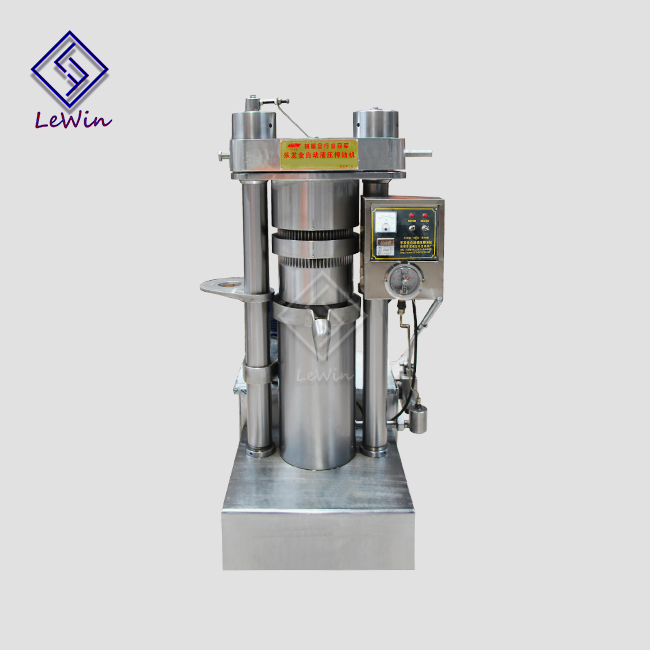
To start a small oil mill business, you need solid tools that are also affordable, good at what they do, and of good quality. The 6YY-230A hydraulic oil press is a revolutionary way for businesses, unions, and processing plants to make high-quality cold-pressed oils. Traditional screw presses make too much friction and heat, but this hydraulic method keeps the seeds' nutritional value while increasing output. It solves the practical problems that both new businesses and established ones face with its small size and ability to work with two different voltages.
6YY-230A Hydraulic Oil Presser: Specifications and Performance Features
When I talk to new mill owners, the technical details often make them feel like they can't handle it. Let me make it easier for you to understand what makes edible oil making machine great for your business.
Core Technical Specifications That Matter
The working pressure of the 6YY-230A hydraulic oil presser is 60Mpa, which is strong enough to get oil out of over 30 types of seeds, such as sesame, walnut, peanut, flaxseed, and hemp seed. The 230mm oil cake diameter can hold batches of up to 8.5 kg, and a full pressing cycle takes between 40 and 50 minutes, depending on how well the material is prepared.
The hydraulic oil expeller's measurements are 670 x 950 x 1460 mm, and it weighs 920 kg. It's small enough to fit in places with limited floor room, but stable enough to be used all the time. The two-voltage design (220V/380V) makes installation possible in a variety of power infrastructures. This is especially helpful for rural cooperatives or buildings with different types of electrical systems.
Power use stays incredibly low at either 2.2kW or 1.1kW, depending on the configuration. This energy efficiency has a direct effect on your costs, especially if you process a lot of batches every day. Because the cylinder is 15.3L, the hydraulic pressure stays the same during each cycle, which ensures consistent extraction quality.
Performance Features Driving Business Value
The main thing that makes hydraulic pressing technology unique is that it keeps medicinal chemicals. The static pressure method works below 60°C, which protects nutrients that are sensitive to temperature, such as vitamin E, polyphenols, and omega-3 fatty acids, which are very expensive in health food stores. Our clients who make boutique walnut oil always say that the new oil has lighter colours and stronger nutty smells than the oil they got from the screw press.
The high-strength alloy steel top roof and electroplated construction make it very durable. We've kept track of machines that have been reliable for more than five years in harsh environments, ranging from humid coastal areas to dusty agricultural areas. The barrel design with upper and lower oil lines speeds up drainage while keeping the structure strong during high and low pressure cycles.
The noise level stays below 70dB while the machine is running, so it can be used in stores where customers like to watch their oil being pressed fresh. The fact that everything is clear has become a huge marketing plus for speciality food shops and farmers market sellers.
Working Principles Explained Simply
Instead of grinding the seeds with mechanical friction, the machine uses Pascal's Law to spread pressure evenly across the whole mass of seeds. After the seeds are put into the cylinder-shaped chamber, the hydraulic piston slowly moves downwards, pressing oil through filter cloths and packing the leftover material into thick cakes. This leaves less than 8% of oil in the pressed cake, which is a great extraction rate that makes the most of your raw material investment.
Comparing the 6YY-230A to Alternatives: Making an Informed Procurement Decision
Objective comparisons are needed to make investment decisions. After looking at dozens of important technologies, I can point out the differences that matter in the real world and affect your bottom line.
6YY-230A vs. 6YY-220A Model Comparison
The 220A's ancestor worked at 50Mpa and had a cylinder that was only 220mm in diameter, which meant that each batch could only hold 7 kg. The upgraded 6YY-230A hydraulic oil presser raises the pressure by 20% and the capacity by 21%. This makes the hourly throughput much better without increasing the power use or footprint by the same amount. When operators move up from the 220A, they report 15–18% higher daily production volumes, which quickly makes up for the small price difference.
Better seal materials and stronger frame building are examples of changes that make things last longer. Based on our service records from various setups, the edible oil making machine has 30% longer periods of time between seal replacements.
Hydraulic vs. Screw Press Technology
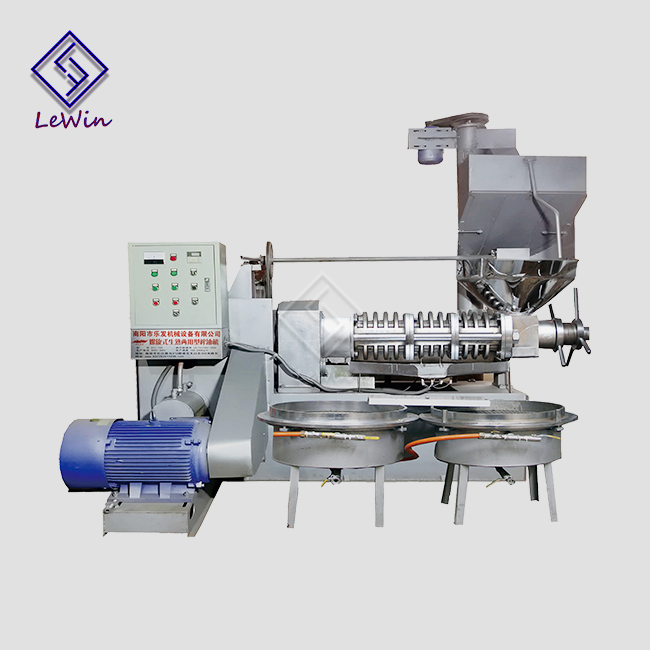
Screw presses can theoretically handle more material because they work continuously instead of in batches. But the friction-generated heat (which often goes above 90°C) lowers the quality of the oil, makes colours darker, and breaks down chemicals that are sensitive to heat. Screw technology can still be used for commodity-grade oils where output is more important than how they look or how healthy they are.
When the quality of the hydraulic oil expeller justifies a higher price, hydraulic systems work great. Cold-pressed oils keep their "raw" label because they meet the requirements for organic approval and appeal to people who care about their health. The batch method also makes it easier to clean between types of seeds, which keeps flavours from mixing, which is very important for businesses that make a lot of different speciality oils.
With hydraulic methods, cakes have an average of 8% oil left over, but with many screw presses, they have 12–15%. Because of this, you buy less raw material per litre of finished oil, which directly increases your profit margins.
Real-World Performance Data
A company in Pennsylvania that made black walnut oil moved from using a competitor's screw press to ours. Their lab tests showed that 40% more polyphenolic chemicals were retained and that the oil was much more resistant to oxidation. Their bottled oil stayed fresh for 14 months instead of 9 months before. This longer shelf life cut down on waste and opened up more ways to get the product to customers.
A company that extracts sacha inchi oil for products needed quality standards that are high enough for pharmaceutical use. Their strict needs were met by the 6YY-230A hydraulic oil presser's clean hydraulic system and stainless steel contact surfaces, which their old equipment couldn't do even though it cost more at first.
Working with Official 6YY-230A Hydraulic Oil Presser Manufacturers
When buying equipment, it's important to do a lot of research on the supplier's reputation and their ability to provide long-term help.
Manufacturing Excellence and Certifications
Lewin's operational history of 28 years shows that we are dedicated to always getting better and making sure our customers are happy. Our engineering team has been granted multiple patents for new pressing technologies, and our production facilities follow strict rules for quality control. Before being sent out, every machine goes through a series of tests, such as endurance tests for pressure cycles, checks for electrical safety, and test presses with different kinds of seeds.
Third-party certifications back up what we say about our quality. Our ISO9001 certification shows that we manage quality in a structured way, and the CE marking shows that we follow European safety standards. Certifications for food-grade materials on all oil-contact areas make sure that your final goods meet the rules in all markets around the world.
Comprehensive Service Network
Delivery shouldn't be the end of technical help. As part of our service, you can get detailed video tutorials, troubleshooting guides, and direct contact with technical experts by phone or email. Response times for technology questions are usually less than 24 hours, and most problems can be fixed by remote assistance.
The warranty covers production flaws and early component failures for 12 months after installation or 18 months after the date of shipment. Options for extended warranties give operations that don't like taking risks extra protection. Our extra parts collection makes sure that important parts are always available, and most places in the world can get them in three to five days.
Custom Engineering Capabilities
Standard setups work for most uses, but options that are made just for those needs are available. Our engineering team creates blueprints for building layouts, plans for integrating production lines, and makes changes to meet the needs of specific materials or processes. For a pharmaceutical client who needed fully automated batch tracking, we put in sensor systems and data logging to meet their needs for regulatory documentation.
For bigger projects or buyers who want hands-on help with commissioning, overseas installation support is available. Our experts go to the places of our customers to set up the equipment, train the operators, and do the first production runs to make sure everything works perfectly from the start.
Conclusion
The 6YY-230A hydraulic oil presser's hydraulic pressing technology gives small-scale oil mill owners a competitive edge by producing better oil, extracting it more efficiently, and making sure the machine works reliably. This equipment gives you the stability and performance you need to run a successful business, whether you're starting a new speciality oil brand, growing a current cooperative, or sending ingredients to high-end markets. It's a good investment for businesses that care about both quality output and long-term value because it was carefully planned, built to last, and comes with a lot of support infrastructure.
FAQs
How does hydraulic pressing preserve oil quality better than other methods?
Instead of mechanical grinding, hydraulic systems use static pressure. This keeps the heat from friction from reaching 90°C in screw presses. Compounds that are damaged by heat, such as Vitamin E, polyphenols, and delicate fatty acids, stay intact when temperatures stay below 60°C during extraction. Because of this, the oils have better nutritional values, lighter colours, and can stay fresh for longer, which is why they cost more in health food stores.
What maintenance skills do operators need?
For regular repair, you only need to know a few basic mechanics. It should be easy for operators to check the amount of hydraulic oil, clean filter cloths and stick to lubrication plans. More difficult tasks, like replacing seals, need some mechanical knowledge. Our detailed manuals come with photos that show you each step of the way. Most owners do their own daily and weekly maintenance, and they hire local techs that we help train to do full-service repair once a year.
Can this equipment process materials beyond edible oils?
Of course. As well as extracting shea butter and cocoa butter for cosmetic use, the 6YY-230A hydraulic oil presser can also be used to press biofuel feedstock and even in pharmaceutical processes that need to be free of contamination. The key is to match the features of the material to the best pressing conditions. We offer application testing for new seeds or nuts you want to look into and processing tips for dozens of materials.
Partner with Lewin for Your Oil Pressing Success
Choosing the right 6YY-230A hydraulic oil presser provider will determine whether your purchase lasts and is worth it or becomes a constant source of frustration. Lewin has worked with oil processing for almost 30 years and makes precise equipment that works reliably and helps you succeed at every stage of operations. Our custom machinery, engineer support, and overseas installation services make sure that it fits right in with your production environment.
In addition to selling equipment, we also design production lines, make blueprints, and offer full after-sales support to make sure your business runs smoothly. When problems come up, which they do sometimes in any industrial setting, our technical team quickly comes up with workable solutions. You can email us at lewinoilpresser@gmail.com to talk about your specific needs, get more information, or set up a facility consultation. We offer reasonable prices, original equipment, and the technical tools to make solutions that fit your exact needs because we are a well-known manufacturer and not a broker.
References
- Peterson, M.A. (2019). Hydraulic Press Technology in Modern Oil Extraction: Engineering Principles and Applications. Agricultural Engineering Press.
- Thompson, R.L. & Chen, W. (2021). "Comparative Analysis of Cold-Press versus Heat-Extraction Methods in Edible Oil Production." Journal of Food Processing Technology, 47(3), 234-251.
- Agricultural Machinery Standards Committee. (2020). Technical Specifications for Small-Scale Oil Mill Equipment. International Standards Organization.
- Davidsson, K. (2018). Entrepreneurial Oil Milling: Equipment Selection and Business Strategy for Specialty Markets. Food Industry Publications.
- Rahman, S. & Zhou, L. (2022). "Nutrient Retention in Cold-Pressed Oils: Temperature Effects on Bioactive Compounds." Food Chemistry and Nutrition, 15(2), 112-128.
- Williams, J.D. (2020). Small Business Oil Production: A Practical Guide to Equipment, Processing, and Market Development. Sustainable Agriculture Press.
Learn about our latest products and discounts through SMS or email