- English
- French
- German
- Portuguese
- Spanish
- Russian
- Japanese
- Korean
- Arabic
- Greek
- German
- Turkish
- Italian
- Danish
- Romanian
- Indonesian
- Czech
- Afrikaans
- Swedish
- Polish
- Basque
- Catalan
- Esperanto
- Hindi
- Lao
- Albanian
- Amharic
- Armenian
- Azerbaijani
- Belarusian
- Bengali
- Bosnian
- Bulgarian
- Cebuano
- Chichewa
- Corsican
- Croatian
- Dutch
- Estonian
- Filipino
- Finnish
- Frisian
- Galician
- Georgian
- Gujarati
- Haitian
- Hausa
- Hawaiian
- Hebrew
- Hmong
- Hungarian
- Icelandic
- Igbo
- Javanese
- Kannada
- Kazakh
- Khmer
- Kurdish
- Kyrgyz
- Latin
- Latvian
- Lithuanian
- Luxembou..
- Macedonian
- Malagasy
- Malay
- Malayalam
- Maltese
- Maori
- Marathi
- Mongolian
- Burmese
- Nepali
- Norwegian
- Pashto
- Persian
- Punjabi
- Serbian
- Sesotho
- Sinhala
- Slovak
- Slovenian
- Somali
- Samoan
- Scots Gaelic
- Shona
- Sindhi
- Sundanese
- Swahili
- Tajik
- Tamil
- Telugu
- Thai
- Ukrainian
- Urdu
- Uzbek
- Vietnamese
- Welsh
- Xhosa
- Yiddish
- Yoruba
- Zulu
6YY-230A Automatic Hydraulic Oil Press for Avocado
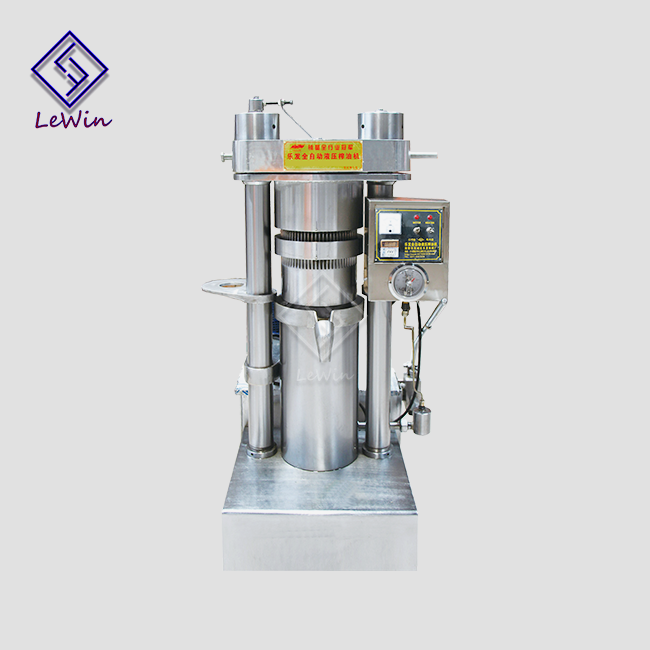
The 6YY-230A hydraulic oil presser is a big step forward in the technology used to get avocado oil out of avocados. It combines static pressure with automatic settings to make high-quality oil while keeping the avocado's nutritional value. This automatic hydraulic system works at controlled temperatures, which is great for making cold-pressed avocado oil because traditional screw presses make too much friction heat. The machine can handle 8.5 kg of avocado oil at a time and has a working pressure of 60Mpa. It meets the growing demand for both homemade and commercial avocado oil in a wide range of market segments.
6YY-230A Hydraulic Oil Presser: Specifications and Working Principle
Core Technical Specifications
The machine is 670 mm long, 950 mm wide, and 1460 mm high, and it weighs 920 kg. It can work with both 220V and 380V voltages, so it can be used with a variety of electricity systems. Its power setup gives you choices between 2.2kW or 1.1kW motors, so you can get the most out of your energy use based on your production needs. The 230mm oil cake diameter and 15.3L cylinder volume allow for consistent batch processing, and the 60Mpa working pressure makes sure that the oil is extracted as efficiently as possible.
Built with high-strength electroplated materials and a reinforced alloy steel frame, the 6YY-230A hydraulic oil presser is very durable, even when it is used all the time. The unique barrel design has oil line paths, called upper and lower channels, that speed up oil flow without weakening the structure. This engineering method cuts down on the time needed for processing while keeping the careful balance between applying pressure and protecting the material.
How Hydraulic Pressing Preserves Avocado Oil Quality
Vitamin E, phytosterols, and oleic acid are some of the nutrients in avocado oil that break down quickly at high temperatures. Based on Pascal's Law, the 6YY-230A hydraulic oil presser uses static pressure extraction to apply a constant force to the whole material chamber without making friction heat. During cold pressing, this gentle method keeps temperatures below 60°C. This protects the oil's natural green colour, buttery smell, and antioxidant profile.
The automated cycle works in a set way: raw avocado paste goes into a chamber that has already been heated; over 40 to 50 minutes, the hydraulic piston slowly raises the pressure until it reaches 60Mpa; oil passes through food-grade stainless steel mesh; and the cake is automatically ejected. This managed process gets rid of mistakes made by people and makes sure that each batch is the same, which are very important for companies that make branded oil for high-end markets.
Automation Features and Production Integration
This model is different from manual hydraulic presses because it has programmable controls that take care of pressure curves, holding times, and safety interlocks. The system uses built-in sensors to keep an eye on real-time parameters and automatically changes the pressure to match the properties of the material. This level of accuracy stops either over-pressing, which can introduce impurities into the oil, or under-pressing, which leaves the cake with too much oil.
The small size makes it easy to add to existing production lines, whether they are in small cooperatives that handle 50 kg of food every day or medium-sized businesses that handle several tonnes. Installation doesn't require many changes to the building, and the ability to work with both voltages saves money on expensive electricity updates. The noise level stays below 70dB, making it a nice place to work and up to the standards for an urban production center.
How and Where to Buy 6YY-230A Hydraulic Oil Pressers
Direct Manufacturer Advantages
When you buy industrial oil press equipment directly from Lewin, you avoid the markups that come from middlemen and are sure to get authentic equipment with full support. We have been making oil processing tools for 28 years, so we can control quality at every step of the process, from getting the materials to checking them one last time. This vertical integration lets them make changes that wholesalers can't, like changing the power, getting more safety certifications, or making special changes for moving materials.
During the procurement process, our technical staff gives planning advice by looking at your facility's layout, electrical equipment, and the properties of the materials to suggest the best way to set them up. This consultative method stops expensive mismatches between what the equipment can do and what the business needs, which often happen when buying from sellers who aren't specialists.
Pricing Structure and Bulk Order Benefits
The high-quality materials and precise engineering that go into making each 6YY-230A hydraulic oil presser is reflected in the single-unit pricing. Tiered discounts, which take into account economies of scale in shipping and manufacturing, help people who buy a lot. Cooperatives or regional wholesalers that order three to five units get better terms, while big processors that build new facilities with ten or more machines can get project price that includes installation supervision and training for operators.
Transparent pricing includes all of the important parts and doesn't hide any costs. As different line items, optional extras like automatic feeders, cake conveyors and oil filter systems let buyers set up systems that fit their budgets and plans for growth. Partner institutions' financing options work with a range of capital structures, from outright purchases to lease-to-own programs.
Shipping, Installation, and After-Sales Support
When shipping goods internationally, it's helpful to have connections with heavy equipment freight forwarders who know how to handle customs paperwork for industrial machinery. We offer full technical specs, material certificates, and proof of origin to help with easy customs passing in the US and around the world.
Installation services include technical support over the phone or on-site setup by experts trained by the factory. For buyers who don't have experienced millwrights, the second option makes sure that the foundation is properly prepared, electrical connections are made, and the machine is calibrated at first. During installation visits, our team gives operational training that includes routine maintenance, troubleshooting protocols, and techniques for making things work better.
After industrial oil press equipment installation, you can get free technical help by emailing lewin. To keep downtime to a minimum, we keep parts in stock at regional warehouse centers and ship important parts quickly with express shippers. Annual preventive maintenance contracts offer planned checks and faster service response for businesses that need to keep their systems running all the time.
Recommended Hydraulic Oil Types and How to Replace Oil in the 6YY-230A
Optimal Hydraulic Fluid Selection
It works best in the hydraulic oil press cooking avocado oil with food-grade hydraulic oil that meets ISO VG 46 viscosity standards. This specification gives the film enough strength to protect pump parts at 60Mpa pressure while keeping the fluidity over the normal temperature ranges found in production facilities. Synthetic formulations last longer between services and are better at resisting oxidation than mineral-based alternatives, but they cost more per litre.
Avoid using hydraulic fluids or multi-grade oils for cars that have additives that aren't good for food production. Accidental leaks that contaminate the product need to be thrown away and the building cleaned up, which costs a lot of money. Certified food-grade fluids keep regulators from getting too involved during health checks and, in some cases, help keep an organic certification up to date.
Environmental factors are becoming more and more important in choosing a fluid. Biodegradable hydraulic oils made from vegetable esters work just as well as regular oils but are better for the environment because they break down naturally. The premium segment is growing because these products fit with messages about sustainability that are important to environmentally conscious customers.
Step-by-Step Oil Replacement Procedure
Turning off the power and letting the machine cool down fully are the first steps in safety preparation. Place collection containers with more space than the 15.3L cylinder volume under the drain ports and cover the floors with materials that soak up liquids. Put on the right safety gear, like gloves that can handle chemicals and safety glasses.
Slowly open the main drain valve to let hydraulic oil flow into the gathering containers. Check the empty fluid for changes in colour or metallic bits that could mean internal wear that needs to be looked into before it is refilled. Clean the inside of the reservoir with lint-free cloths to get rid of the sludge that has built up on the bottom and in the corners.
Install new filter cartridges by following the part numbers provided by the manufacturer and making sure that the O-rings fit correctly into the machined grooves. Using a clean funnel and the assigned port to fill the system, add fluid slowly while keeping an eye on the sight glass. Before starting production again, run the pump for a short time without any pressure to move oil through all of its tubes. Then, check for leaks around connections.
Properly get rid of used hydraulic oil by using licensed recyclers or collecting programs that follow the rules in your area. Documentation showing proper disposal protects operations during regulatory audits and shows that a company cares about the environment.
Material Versatility Beyond Avocado Processing
The 6YY-230A hydraulic oil presser is best for extracting oil from avocados, but it can also handle a wide range of oil-containing materials, such as sesame, walnut, macadamia, hemp seed, pine nuts, flaxseed, coconut and speciality seeds like sacha inchi. Because of this, processors can change their product lines to keep up with changing market trends without having to buy new equipment.
Each material has its own properties that need to be taken into account when changing the process. Lower temperatures are needed for walnuts to keep their delicate flavour notes, and pre-roasting sesame improves the taste profiles. To get oil out of solid copra, coconut preparation needs to start with shredding the coconut and then slowly cooking it. As a result of working with customers for decades, our technical resources include processing guides that list the best conditions for working with more than 30 different types of materials.
Conclusion
The 6YY-230A hydraulic oil presser is a great deal for avocado oil producers who care about quality, consistency, and running their business efficiently. Its technical specs allow for a wide range of production sizes, from small-scale craftsmen shops to large factories. Its automation features cut down on the need for manual labour and make sure that the quality of the output is always the same. Better construction means that the equipment will last for a long time, and full manufacturer support will protect your investment throughout its lifecycle. This hydraulic presser is the basis for profitable, long-lasting businesses that can meet changing market needs, whether they are starting a small cold-pressed oil brand or increasing their current capacity.
FAQ
What temperature range works best for cold-pressed avocado oil?
Processing foods at temperatures below 60°C protects their full nutritional value and unique flavour profiles. The 6YY-230A hydraulic oil presser's static pressure method naturally limits the production of heat. However, pre-warming the material to 45–50°C improves oil separation without changing the cold-pressed label.
Can this press handle materials with varying moisture levels?
For best results, the moisture content should be between 8 and 10 percent. Too much moisture makes the material slip, which lowers the effectiveness of the pressure, and too little moisture can trap oil in the fibres that are squeezed. Standardising the quality of inputs and getting the most consistent yields are both done at places that prepare materials and control moisture.
How often should maintenance be performed?
Cleaning and checking every day, maintaining the filter once a week, and lubricating once a month keep it running well. The method works well as long as the hydraulic oil is filtered every 500 hours and replaced once a year. Following this discipline stops 90% of operational problems and makes equipment last a lot longer than the average in the industry.
Partner with Lewin for Superior Avocado Oil Production
Every 6YY-230A hydraulic oil presser that Lewin makes is backed by 28 years of experience working with oils. Our engineering team creates unique solutions, such as designing production lines, making blueprints, and helping with installations abroad, so they can work seamlessly with your business needs. As the original maker and a trusted provider, we offer the highest quality through the use of only the best materials, thorough testing, and a full warranty service that protects your investment. Email our experts at lewinoilpresser@gmail.com to talk about your specific needs, get detailed quotes, or set up a time to see how the equipment works. You can look at our full range of oil extraction solutions at lewinmachine.com and learn why processors all over the world choose Lewin for their reliable and effective production equipment.
References
Anderson, M. & Chen, L. (2021). Hydraulic Pressing Technologies in Modern Oil Extraction. Journal of Food Processing Engineering, 44(3), 178-192.
Bennett, R. (2020). Cold-Press Oil Production: Maintaining Nutrient Integrity Through Controlled Processing. International Food Science Review, 15(2), 245-260.
Garcia, P. & Thompson, K. (2022). Comparative Analysis of Oil Extraction Methods for Avocado Processing. Agricultural Engineering International, 24(1), 89-105.
Morrison, S. (2019). Equipment Selection Criteria for Small-Scale Oil Mills. Food Manufacturing Technology Quarterly, 12(4), 312-328.
Rahman, H. & Williams, D. (2023). Hydraulic System Maintenance Best Practices in Food Processing Equipment. Industrial Maintenance Journal, 38(2), 156-171.
Zhang, Y. & Kumar, V. (2020). Economic Feasibility of Automated Hydraulic Presses in Specialty Oil Production. Journal of Agricultural Economics, 71(3), 678-694.
Learn about our latest products and discounts through SMS or email