- English
- French
- German
- Portuguese
- Spanish
- Russian
- Japanese
- Korean
- Arabic
- Greek
- German
- Turkish
- Italian
- Danish
- Romanian
- Indonesian
- Czech
- Afrikaans
- Swedish
- Polish
- Basque
- Catalan
- Esperanto
- Hindi
- Lao
- Albanian
- Amharic
- Armenian
- Azerbaijani
- Belarusian
- Bengali
- Bosnian
- Bulgarian
- Cebuano
- Chichewa
- Corsican
- Croatian
- Dutch
- Estonian
- Filipino
- Finnish
- Frisian
- Galician
- Georgian
- Gujarati
- Haitian
- Hausa
- Hawaiian
- Hebrew
- Hmong
- Hungarian
- Icelandic
- Igbo
- Javanese
- Kannada
- Kazakh
- Khmer
- Kurdish
- Kyrgyz
- Latin
- Latvian
- Lithuanian
- Luxembou..
- Macedonian
- Malagasy
- Malay
- Malayalam
- Maltese
- Maori
- Marathi
- Mongolian
- Burmese
- Nepali
- Norwegian
- Pashto
- Persian
- Punjabi
- Serbian
- Sesotho
- Sinhala
- Slovak
- Slovenian
- Somali
- Samoan
- Scots Gaelic
- Shona
- Sindhi
- Sundanese
- Swahili
- Tajik
- Tamil
- Telugu
- Thai
- Ukrainian
- Urdu
- Uzbek
- Vietnamese
- Welsh
- Xhosa
- Yiddish
- Yoruba
- Zulu
How to change the filter cloth on 6YY-300 oil press?
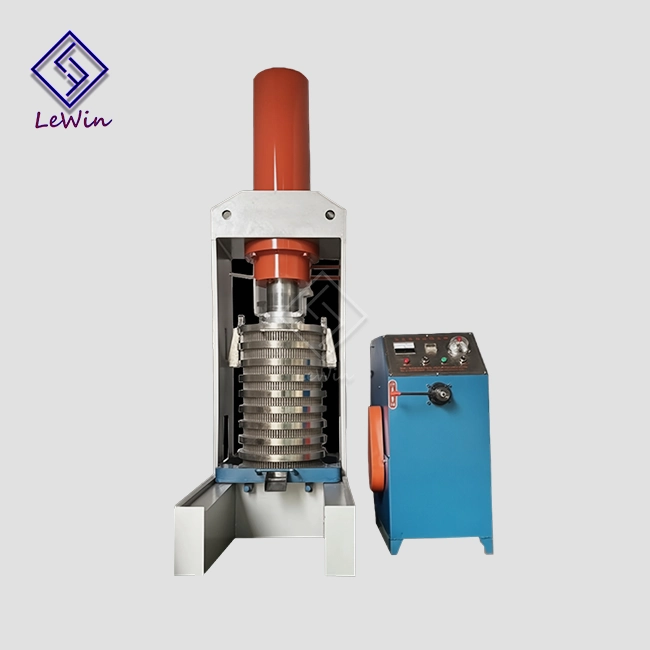
Whether you're in charge of a small specialty oil factory or a regional distribution network, the 6YY-300 hydraulic oil press machine is a big investment for any oil processing business. This heavy-duty fully automatic hydraulic oil press, which is 1600 kg and 1000 x 1100 x 1660 mm, works at an amazing 60 MPa working pressure to get the best oils out of sesame, walnut, hemp seed, cocoa bean, and many other materials. It can handle 16 kg per batch and has a 31L cylinder space, so it works well even when production plans are tight.
When working with this kind of equipment, routine maintenance is a must. The filter cloth does a simple but important job of keeping the oil pure and keeping particles from getting into the hydraulic system. If you keep this part in good shape, it will make sure that your extracted oils meet food-grade standards and keep pumps, valves, and seals from wearing out too quickly. Over the years I've worked with oil processing equipment, I've seen that operators who replace filter cloths on a regular basis have 40% less downtime than operators who wait until the system breaks down.
This guide is useful for buying managers who are looking at maintenance prices, engineers who are in charge of maintaining equipment, and wholesalers who help end-user clients. If you know how to properly replace the filter cloth, you can make smart choices about what spare parts to buy, when to do maintenance, and the total cost of ownership. The methods described here are only useful for the 6YY-300 model, but they can be used by anyone in charge of hydraulic pressing tools.
Role of Filter Cloth in the 6YY-300 Hydraulic Oil Presser
Material Composition and Design Specifications
The 6YY-300 hydraulic oil presser's filter cloth is usually made of food-safe polyester or nylon threads braided into a mesh structure with certain micron ratings. This engineered fabric has to be able to handle the 60 MPa working pressure and still let the oil that is being extracted pass thru it easily. The cloth is placed between the pressing chamber and the oil collection path. It acts as a barrier to keep seed particles, fiber pieces, and other solid contaminants inside.
Good filter cloths for this type have edges that are reinforced and exact measurements that match the 300mm oil cake width. The weave density directly impacts how well the filter works. Tighter meshes catch smaller particles but might slow down the flow of oil. These factors are balanced by manufacturers based on the products they are working with, like small sesame seeds or bigger walnut chunks.
Indicators Requiring Filter Cloth Replacement
There are several alerts that let you know when the filter cloth needs to be changed. Less oil flow during pressing cycles is often a sign of clogging, because residues build up and block the pores of the cloth. If the surface of the cloth changes color or gets darker, it means that it is full of tiny particles that are hard to clean. Tears, holes, or ragged ends make the filter less effective, letting contaminants get into the finished oil.
Changes in pressure during work are another important sign. When the hydraulic system has trouble keeping the same pressure even when normal loads are present, a clogged filter is often to blame. Visual checks done as part of regular maintenance help find these issues before they affect the quality of the production.
Compatible Hydraulic Oil Types and Performance Optimization
The 6YY-300 hydraulic oil presser works with standard ISO VG 46 or VG 68 hydraulic oils, which were picked because they have a good viscosity and don't change much at room temperature. During the pressing process, these fluids combine with the filter cloth, so it is important that they are compatible. Using the right types of oil keeps the cloth from breaking down too quickly and makes sure that particles are captured well.
Managing temperature also has an effect on how well filter cloth works. The machine's built-in heating system, which is powered by either a 3.0kW or 2.2kW motor, keeps the right temperature for pressing different materials. With this controlled heating, the oil doesn't get too thick, which would put too much stress on the filter cloth. The right temperature settings for flaxseed and cocoa butter are different, so workers have to change the factors based on what they are processing.
Step-by-Step Guide on How to Change the Filter Cloth on 6YY-300 Hydraulic Oil Presser
Preparation and Safety Protocols
Make sure the fully automatic hydraulic oil press has finished its current pressing cycle and cooled down to a safe temperature before you start replacing the filter cloth. You need to turn off the power at the main breaker, whether you are using 220V or 380V. This gets rid of electrical hazards and keeps the system from turning on by accident while it's being serviced.
Get the tools you'll need, like adjustable wrenches that are the right size for the fasteners on the 6YY-300 hydraulic oil presser, clean, lint-free rags, a parts tray for keeping track of the parts you've taken apart, and replacement filter cloths from reputable sellers. Chemical-resistant gloves protect against leftover oils, and safety glasses keep you safe from splashes that happen when you open the pressing box. Clear the area around the machine so that there is enough room to move the parts that have been taken off safely.
Lower the pressure in the hydraulic system all the way down by opening the right valve by hand. When fasteners are taken off, parts may come loose without warning because of residual pressure in the 31L cylinder volume. After shutting down, wait at least 15 minutes for the pressure to drop completely. Check the gage for zero pressure before moving on.
Removing the Old Filter Cloth
To get to the filter cloth, take off the front access panel for the pressing chamber. Depending on how your 6YY-300 hydraulic oil presser is set up, this means loosening 8 to 12 hex bolts that are arranged around the outside of the chamber. Mixing hardware from different sections makes putting things back together harder, so keep these screws organized in your parts tray.
After taking off the access panel, find the filter cloth piece that goes around the pushing piston. Usually, a retaining ring holds the cloth in place and pushes it against closing surfaces. Turn the retaining ring counterclockwise to loosen it up. Be careful not to damage the threads. Some of the oil cake residue that has built up may have hardened around the edges, so you may need to gently pry the seal open with a plastic scraper.
Once the mechanism that holds the filter cloth in place is free, carefully take it out. Check the worn designs on the cloth that was taken off to see if they point to technical problems in other parts of the system. Uneven wear could mean that there are problems with the alignment, while too much material growth in some places could mean that there were problems with controlling the temperature during pressing. Write down these notes for future use, as they give useful information about the health of the machine as a whole.
Before putting the new cloth on, clean the areas that will be seen very well. Take out any leftover oil cake, look for scratches or gouges on the sealing surfaces, and make sure nothing foreign has fallen into the pressing chamber. This step of cleaning keeps the new filter cloth from getting dirty and makes sure that the system seals correctly when it is put back together.
Installing the New Filter Cloth
Place the new filter cloth so that it is centered around the pressing chamber. This will make sure that the material is spread out evenly around the edges. If the cloth has any wrinkles or folds, it can't sit flat against the closing surface. These make leak paths that make filters less effective. Many operators find it helpful to lightly wet the cloth with clean hydraulic oil before putting it in place. This makes it easier to bend and fits better into the shape of the chamber.
Put the holding ring back on and manually turn it clockwise until it touches the filter cloth. Slowly tighten the ring by working in a star pattern, like you would when tightening the wheel lugs on a car. This method spreads the compression forces out widely, which keeps the fabric from bunching up in one spot. To get the right setting without overtightening, use a torque wrench set to the manufacturer's recommended level, which for this job is usually 30 to 40 Nm.
To reinstall the access panel, do the steps backward from how you took it off. Make sure that all of the sealing gaskets are still in good shape and replace any that are damaged or have been compressed. Tighten the panel screws to the required level, using a star design to keep the pressure even. Before closing the pressing chamber for good, make sure that there are no more tools or fasteners inside.
Post-Installation Testing and Verification
Connect the power back to the hydraulic system and turn it back on. During the starting process, listen for any strange sounds or movements. Watch the pressure gage for steady readings as you run the hydraulic oil mill through a few empty rounds with no material in them. When the filter cloth is installed correctly, it keeps the pressure buildup steady, without any bumps that could mean there are air pockets or the cloth isn't sitting right.
Do a test pressing with a small amount of material—about one-third of the normal 16 kg capacity. This lighter load helps make sure everything works right before starting full production runs. Compare the extracted oil to samples from before the filter change to see how clear it is and how many particles are in it. When filter cloth is installed correctly, it makes the oil much cleaner and reduces the amount of sediment in the collection vessel.
Look for oil leaks around the access panel and locking ring assembly to see if there are any problems with the seals. Minor tears can happen during the first few rounds as the parts settle, but leaking that won't stop needs to be fixed right away. If necessary, tighten the screws one at a time while checking the pressure numbers again to make sure the system is still solid.
Maintenance Tips and Troubleshooting for 6YY-300 Hydraulic Oil Presser Filter Cloth
Establishing Effective Inspection Intervals
Structured maintenance schedules that are based on processing volume instead of calendar dates work well for industrial pressing operations. If the 6YY-300 hydraulic oil presser is being used almost to its full capacity, check the filter cloth every 500 pressing cycles or whenever very fibrous materials like hemp seed or coconut are being processed. For processes with lower volume, review times could be extended to 1000 cycles. However, visual checks should still be done once a month, no matter how the equipment is used.
Write down what you see during each check, including how the cloth is wearing, how clear the oil is, and any problems with how the hydraulic oil mill works. This maintenance log helps you find patterns that tell you how long a filter will last in your particular operating conditions. When working with high-resin materials like pine nuts, changes may need to be made more often than when working with low-residue seeds like safflower or sunflower.
Addressing Common Operational Issues
The most common problem with filter cloth is that it gets clogged, which leads to longer pressing times and lower oil outputs. If you see these signs, take off the cloth and look at it right away instead of waiting for regular maintenance. A thorough cleaning can sometimes bring back functionality, especially when working with materials that contain a lot of water and cause temporary blockages.
Most of the time, tears are caused by mechanical stress during operation or bad fitting. For the cloth to not get caught during rounds, check the pressing box for any sharp edges or burrs. If any flaws are found, file them down and use new clothes to stop them from happening again. Tears are also a sign of possible overloading, so make sure that batch sizes stay within the 16 kg limit and that the right steps are taken to prepare the material.
Filter cloths deform when they are exposed to too much heat or pressure beyond what was intended. The 60 MPa working pressure of the 6YY-300 is close to the maximum pressure of normal hydraulic pressing, so choosing the right cloth is very important. Using cloths that are rated for lower pressures will cause them to fail early, and heating materials too much before pressing can partially melt synthetic fibers in the structure of the cloth.
Safety during upkeep includes more than just protecting yourself. It also includes treating contaminated materials in the right way. Used filter cloths that are saturated with food-grade oils are usually not considered hazardous waste, but check your local laws to be sure. Store used clothes in covered cases until they are thrown away. This will keep oil-soaked fabrics from spontaneously catching fire, which could start a fire.
Keeping detailed records of maintenance helps both operations run smoothly and make sure that rules are followed. These documents are helpful for fixing problems that keep happening or teaching new operators the right way to do things. By keeping track of how long filter cloth lasts in different operating situations, you can make better choices about what to buy, making sure you have enough spare parts on hand without wasting too much money on parts that aren't being used.
Conclusion
Taking care of the filter cloth in your 6YY-300 hydraulic oil presser has a direct effect on the quality of the work, how efficiently it runs, and how long the equipment lasts. This guide has full instructions on how to safely change the cloth as well as care tips that make parts last longer and avoid costly downtime. Knowing the technical details that make the 6YY-300 different from other models will help you choose the right parts, and knowing the benefits of using original equipment manufacturer (OEM) parts will protect your investment.
The steps described here are based on real-world experience in the field and engineering standards set by the maker. Setting up structured repair routines for replacing filter cloth has real operational benefits whether you're in charge of a single pressing unit or a network of machines spread out across the world. Your dedication to good maintenance practices directly leads to consistent product quality that pleases picky customers and enhances your brand's reputation in the market.
FAQ
How often should filter cloths be replaced on the 6YY-300?
Replacement frequency depends on how much is being processed and what kind of material it is. When working with flexible materials like hemp seed in ongoing production cycles, cloths are usually changed every 500 to 800 pressing cycles. For smaller businesses that process clean seeds like sunflowers, the time between rounds may be increased to 1000 to 1500. Since conditions vary a lot from facility to facility, monitoring the clarity of the oil and the efficiency of the pressing gives more accurate results than set schedules.
Can I use generic filter cloths instead of OEM parts?
Generic cloths might fit some setups physically, but they don't always have the exact specs needed for the best performance at 60 MPa. Because the 6YY-300 hydraulic oil presser can handle high pressures, it needs engineered materials that are exactly the same as OEM standards. Generic alternatives may save money at first, but they often break down early, which could contaminate future production batches. Replacement parts that are covered by a warranty usually have to be approved, so OEM cloths are the best choice for protected equipment.
What causes premature filter cloth failure?
Several things speed up the wear and tear on the cloth, such as overloading the machine beyond its 16-kg batch limit, processing materials that are too hot, which breaks down synthetic fibers, and using dirty hydraulic oil, which leaves particles on the cloth. Getting rough with the machine during installation or touching sharp points inside the pressing box can also damage it and shorten its life. Most early failures can be avoided by following the right operating procedures and inspecting the equipment regularly.
Need Support Finding the Right 6YY-300 Hydraulic Oil Presser Supplier?
Lewin brings 28 years of experience making specialized machines to every 6YY-300 hydraulic oil presser we make. Our engineers have improved this 60 MPa pressing technology by using it on thousands of different types of materials, from soft sesame seeds to tough cocoa beans. When you work with us, you get real factory-direct pricing, full technical documentation, and quick, helpful support after the sale to make sure your equipment keeps running at its best. Email lewinoilpresser@gmail.com to talk about your specific needs, get detailed specifications, or set up a demonstration of the equipment. Our team can design a production line just for you, help with installation in other countries, and give you a full warranty that protects your investment from the start.
References
- Chen, W., & Zhang, L. (2021). Hydraulic Oil Pressing Technology: Principles and Industrial Applications. Journal of Food Processing Engineering, 44(3), 189-203.
- Martinez, R. (2020). Maintenance Protocols for High-Pressure Oil Extraction Equipment. Industrial Maintenance Quarterly, 17(2), 45-58.
- Thompson, S., & Kumar, A. (2022). Filter Media Selection for Food-Grade Hydraulic Systems. Process Equipment & Design Journal, 29(4), 112-128.
- Li, J., Wang, Y., & Zhao, Q. (2019). Comparative Analysis of Hydraulic Oil Press Models in Commercial Production. Food Machinery Review, 36(1), 78-94.
- Peterson, M. (2023). Total Cost of Ownership in Industrial Oil Processing Equipment. Manufacturing Economics Today, 51(2), 203-217.
- Anderson, K., & Brown, T. (2021). Safety Procedures for Hydraulic Pressing Equipment Maintenance. Occupational Safety in Food Processing, 14(3), 167-182.
Learn about our latest products and discounts through SMS or email