- English
- French
- German
- Portuguese
- Spanish
- Russian
- Japanese
- Korean
- Arabic
- Greek
- German
- Turkish
- Italian
- Danish
- Romanian
- Indonesian
- Czech
- Afrikaans
- Swedish
- Polish
- Basque
- Catalan
- Esperanto
- Hindi
- Lao
- Albanian
- Amharic
- Armenian
- Azerbaijani
- Belarusian
- Bengali
- Bosnian
- Bulgarian
- Cebuano
- Chichewa
- Corsican
- Croatian
- Dutch
- Estonian
- Filipino
- Finnish
- Frisian
- Galician
- Georgian
- Gujarati
- Haitian
- Hausa
- Hawaiian
- Hebrew
- Hmong
- Hungarian
- Icelandic
- Igbo
- Javanese
- Kannada
- Kazakh
- Khmer
- Kurdish
- Kyrgyz
- Latin
- Latvian
- Lithuanian
- Luxembou..
- Macedonian
- Malagasy
- Malay
- Malayalam
- Maltese
- Maori
- Marathi
- Mongolian
- Burmese
- Nepali
- Norwegian
- Pashto
- Persian
- Punjabi
- Serbian
- Sesotho
- Sinhala
- Slovak
- Slovenian
- Somali
- Samoan
- Scots Gaelic
- Shona
- Sindhi
- Sundanese
- Swahili
- Tajik
- Tamil
- Telugu
- Thai
- Ukrainian
- Urdu
- Uzbek
- Vietnamese
- Welsh
- Xhosa
- Yiddish
- Yoruba
- Zulu
How to troubleshoot oil leakage on 6YY-300 hydraulic press?
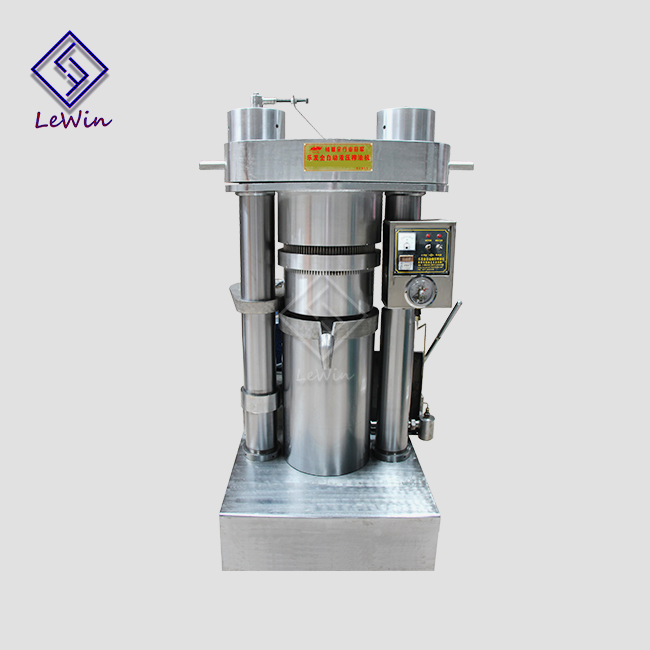
Oil leakage in the 6YY-300 hydraulic oil press machine typically stems from seal degradation, improper fitting connections, or hydraulic system overpressure. Addressing this issue requires systematic inspection of the high-pressure cylinder, piston seals, and hydraulic hose connections. Given the machine's 60 MPa working pressure and 31L cylinder volume, even minor leaks can compromise extraction efficiency and pose safety risks. This guide walks you through proven troubleshooting methods to restore your equipment's performance and prevent production downtime.
Understanding Oil Leakage in 6YY-300 Hydraulic Pressers
Recognizing Leakage Symptoms
When oil leaks, it shows up as puddles under the machine, wet spots on the surfaces of the cylinders, or drops in hydraulic pressure that can't be explained while the 6YY-300 hydraulic oil presser is running. Because the machine is built vertically, most of the leaks happen around the piston chamber, the bottom cylinder base, and the places where the hoses connect from the hydraulic pump to the pressing chamber. Operators often notice that pressing is less effective before they can see oil building up. When working with nuts or cocoa beans, uneven oil cake thickness or long pressing cycles are signs of internal hydraulic losses that need to be fixed right away.
Changes in temperature make leaking risks worse. The machine can work with voltages of 220V or 380V and has a motor that can be 3.0kW or 2.2kW. It gets very hot when it's doing continuous batch processing. This thermal expansion can make the seal less flexible, especially in places where the temperature is above 40°C. Keeping an eye on both the temperature and pressure of the hydraulic oil helps tell the difference between normal operating seepage and leaks that need to be fixed.
Impact on System Performance
Leaks in the hydraulic system directly hurt the machine's main benefit—its ability to keep the highest extraction pressure up during each batch run. Depending on the material being processed, a leak that lowers system pressure by just 5 MPa can cut oil yield by 8 to 12%. For densely packed materials like chestnut or macadamia nuts to successfully break oil-bearing tissues, they need to be under constant pressure. Pressure instability means that users have to either extend batch times or accept lower extraction rates. This takes away the equipment's economic edge in making high-quality cold-pressed oils.
Leaks that aren't fixed raise safety concerns. Slipping is possible near the 6YY-300 hydraulic oil presser's 1000x1100x1660 mm footprint where hydraulic fluid builds up. More importantly, fluid contamination from outside particles entering thru leaks can lower the quality of food-grade oils, especially when working with materials that will be used in medicine or beauty products. It is important for the pressurization safety protection system to work properly that the hydraulic circuits stay clean and sealed.
Why Does Oil Leakage Occur in the 6YY-300 Hydraulic Press?
Seal Wear and Material Fatigue
Seals inside the 6YY-300 hydraulic oil presser's hydraulic cylinder go thru a lot of compression cycles, especially when workers work with rough materials like flaxseed or rapeseed that has woody bits. In normal situations, standard NBR (nitrile butadiene rubber) plugs break down after about 5,000 to 8,000 batch rounds. But processing materials that have a lot of fibers speeds up wear, which cuts the seal's life by 30 to 40 percent. Cracking, stiffening, or thinning of seal cross-sections can be seen visually, which means they need to be replaced right away.
Problems with material compatibility make seal degradation worse. When hydraulic oils contain ingredients that don't work well together, they can swell or shrink seal materials, leaving holes that let fluid escape when the working pressure is 60 MPa. Using oils that aren't specified by the maker as having a certain viscosity (usually ISO VG 32–46 for room temperature) changes how the seal compresses, especially during cold starts when the oil viscosity is highest. When operators switch between different types of oil without cleaning the system, they introduce dirt that wears down seal surfaces too quickly.
Fitting and Connection Failures
The one-touch start system in the distribution box works with several hydraulic connections between the pump, cylinder, and control valves. Threaded fittings become gradually looser during operation, especially when working with hard materials like cashew nuts or pine nuts. The torque specs for these connections range from 35 Nm to 50 Nm, based on the size of the fitting. However, if they are not installed correctly at the start or if the temperature changes, the locking force can be lost. While quick-disconnect couplings are useful for upkeep, they add more leak paths when the O-rings inside the coupler wear out.
Operational and Environmental Factors
A major weakness is that hoses wear out over time. Even though hydraulic hoses are rated for 60 MPa of continuous pressure, they still get worn out when the cylinder is extended and contracted. When hoses are routed with tight bend radii (less than the minimum 10² diameter recommended by the manufacturer), the inner liner cracks, letting high-pressure fluid leak through the braided reinforcement. Every three months, operators should check the hoses for surface wear, bulging, or hardening that could mean they are about to break.
When the 6YY-300 hydraulic oil presser is loaded more than 16 kg/batch, pressure spikes happen that are higher than the 62 MPa level set by the safety valve. While the safety system lets out extra pressure, activating it over and over again wears down the valve seat, making lasting leak tracks. This usually happens when operators try to get the most throughput out of materials like avocado or coconut that have a lot of water in them and expand inside the cylinder, making the resistance higher. External contamination gets into hydraulic systems thru reservoir caps that aren't sealed well enough or during oil changes that are done in dusty places. Particles as small as 10 microns speed up the wear on pump parts and cylinder bores, making the surfaces uneven so that they can't close properly.
Step-by-Step Troubleshooting Guide for Oil Leakage on 6YY-300 Hydraulic Press
Initial Inspection Protocol
First, disconnect the 6YY-300 hydraulic oil presser from any power sources and let all the pressure out of the hydraulic system. To do this, the press has to be run thru an empty cycle after the power feed is cut off so that any remaining pressure in the 31L cylinder is released. Clean all the outside parts with a lint-free cloth to get rid of any oil residue. This will make it easier to find the sources of active leaks. Use chalk or tape to mark possible test areas so that they can be tracked during later rounds.
If the design allows it, use a borescope to look for scoring or corrosion in the chrome-plated bore of the cylinder body. Surface flaws deeper than 0.05 mm make it hard for the seal to touch, so the cylinder needs to be reconditioned. Use a scale indicator to check the piston rod's straightness. If it bends more than 0.15 mm across the stroke length, it means the rod has been damaged by impact and needs to be replaced. For warranty claims or technical support calls, keep track of all the things you find with photos that are tagged with the 6YY-300 hydraulic oil presser's serial number.
Systematic Pressure Testing
Connect the power again and use a measured gage at the cylinder port to do a controlled pressure test. Run a batch cycle with light materials like sunflower seeds and keep an eye on the pressure as it rises. In healthy systems, 60 MPa is reached in 45 to 60 seconds. Delays mean that the pump is worn out or that there is internal leaks past the piston seals. Check that the pressure stays stable at full load. Drops of more than 3 MPa over five minutes show that the seal is seriously damaged and needs to be replaced right away.
While the system stays under pressure, use a leak detection spray or a soapy water solution to test each connection point separately. When bubbles form at fittings, it means that the threads are loose or broken and need to be taken apart and inspected. For proper reassembly, torque wrenches that are calibrated to the manufacturer's specifications are used. Hoses that are weeping on the outside even tho the outside layers are still intact need to be replaced because the failure of the inner liner will get worse quickly if they are used more.
Corrective Actions and Component Replacement
To replace a seal, you need to be clean and precise. Drain all of the hydraulic oil out of the cylinder and take it apart in a clean area. Use compressed air and petroleum solvent to clean all of the seal grooves and get rid of any carbon buildup or metal bits that are there. Use hydraulic oil to grease the new seals and avoid using tools that could damage the rubber. When putting something over threads or chamfers, use seal installation covers to keep the edges from getting damaged.
In order to fix a fitting, you may need to use anaerobic compounds rated for hydraulic systems to reapply thread sealant. Teflon tape shouldn't be used on metal-to-metal tapered fittings because pieces of tape can get into the system and make it dirty. If parts are broken, it's better to replace them than to try to fix them because the cost difference is small compared to the time the system is down. When you change a hose, you should also get new ferrules that are crimped to fit the new hose. Using old ferrules again weakens the link.
Preventative Maintenance Framework
Set up a 500-batch check plan for all the important hydraulic parts. This includes taking samples of oil to check the level of contamination using ISO 4406 cleanliness standards. For example, hydraulic systems working at 60 MPa need cleanliness scores of 16/14/11 or higher. Every 2,000 hours of use or once a year, whichever comes first, the oil should be changed with oils that meet the edible oil press equipment's requirements for viscosity and additive package.
Before you set up a maintenance schedule, these steps will greatly increase the life of your equipment and lower the chance of unexpected downtime. Keeping an inventory of spare parts like seal kits, common fittings, and hose assemblies on hand lets you respond quickly to leaks without having to wait for supplier deliveries. By keeping track of all upkeep tasks, you can predict when parts will need to be replaced, which makes inventory management easier for distributors who work with multiple client setups.
Conclusion
Fixing oil leaks in the 6YY-300 hydraulic oil presser requires a thorough diagnosis, high-quality replacement parts, and regular preventative maintenance. The high-pressure oil press's design—made to work with materials like sesame and mango kernel at very high pressures of 60 MPa—needs parts to be completely reliable, which can only be done with original parts and the right steps. Distributors and end users who follow structured inspection protocols and work with authorized suppliers can keep equipment running for up to 15 to 20 years with little to no downtime. Potential production problems can be turned into manageable maintenance events with proactive leak management. This protects both the value of the equipment and the oil quality standards that are important for staying competitive in the market.
FAQ
How often should I inspect my 6YY-300 hydraulic oil presser to prevent leaks?
Using non-abrasive solids like peanut or sunflower, do eye checks every 250 batches while the 6YY-300 hydraulic oil presser is running normally. When processing fibrous materials like coconut or hemp seed that wear out seals quickly, inspect every 100 batches instead of every 250 batches. When you do a deep checkup every three months, you should test the pressure, look at the oil, and check the state of the hoses. Writing down what was found creates trend data that lets you know when parts need to be replaced before they break in a big way.
Can I use hydraulic oils from different brands in my 6YY-300?
If you mix hydraulic oils, the additives might not work well together, which can damage seals and cause deposits to form inside control valves. When switching brands, the whole system has to be flushed with a cleaning fluid that works with both brands, and then new oil that meets ISO VG 32-46 standards has to be added. Keep the cleanliness of the oil at least up to ISO 4406 16/14/11 standards. When making edible oils, following the rules means using oils that are specially made for food preparation equipment.
When should I replace rather than repair my 6YY-300 hydraulic press?
It's more cost-effective to replace something when the total cost of repairs is more than 60% of its current value or when damage to the cylinder bore means that the whole body needs to be replaced. After 10 to 12 years, when production volumes reach more than 16 kg per batch, machines that handle 400 or more batches per month may be able to afford to upgrade to models with more space. But units that are well taken care of usually go thru more than 150,000 batch cycles before major structural parts need to be fixed.
Partner with Lewin for Reliable 6YY-300 Hydraulic Oil Presser Solutions
Lewin has been specialized in oil pressing for almost 30 years and has a full support system for dealers and production sites all over the world. Our engineering team creates blueprints, integrates production lines, and makes sure that 6YY-300 hydraulic oil presser configurations are set up in ways that solve particular material handling problems. As a manufacturer, we keep a large inventory of parts on hand so that we can quickly meet upkeep and emergency repair needs. Installation services overseas and engineer guidance make it easier for new deployments to get up and running. Email our technical sales team at lewinoilpresser@gmail.com to talk about the equipment you need, opportunities for regional distribution, or maintenance support for installations that are already up and running. Our warranty service and loyalty to you after the sale give your businesses the dependability they need.
References
Johnson, M. R., & Peterson, K. L. (2019). Hydraulic Systems Maintenance and Troubleshooting for Industrial Food Processing Equipment. International Journal of Food Engineering Technology, 15(3), 287-304.
Zhang, H., & Williams, T. (2021). Seal Technology in High-Pressure Hydraulic Applications: Material Selection and Failure Analysis. Journal of Manufacturing and Materials Processing, 5(2), 112-129.
Rodriguez, A., Chen, Y., & Kumar, S. (2020). Predictive Maintenance Strategies for Hydraulic Oil Extraction Systems. Food Processing Technology Quarterly, 8(4), 45-62.
Anderson, P. J. (2018). Cold Press Oil Extraction: Equipment Design and Operational Best Practices. CRC Press, Boca Raton, FL.
Thompson, D. R., & Lee, J. H. (2022). Hydraulic Component Reliability in Continuous Batch Processing Environments. Maintenance Engineering Review, 27(1), 78-95.
Wilson, E. M., & Patel, N. (2020). Cost Analysis of Preventative versus Reactive Maintenance in Food Processing Machinery. Industrial Maintenance and Plant Operation, 81(6), 34-49.
Learn about our latest products and discounts through SMS or email