- English
- French
- German
- Portuguese
- Spanish
- Russian
- Japanese
- Korean
- Arabic
- Greek
- German
- Turkish
- Italian
- Danish
- Romanian
- Indonesian
- Czech
- Afrikaans
- Swedish
- Polish
- Basque
- Catalan
- Esperanto
- Hindi
- Lao
- Albanian
- Amharic
- Armenian
- Azerbaijani
- Belarusian
- Bengali
- Bosnian
- Bulgarian
- Cebuano
- Chichewa
- Corsican
- Croatian
- Dutch
- Estonian
- Filipino
- Finnish
- Frisian
- Galician
- Georgian
- Gujarati
- Haitian
- Hausa
- Hawaiian
- Hebrew
- Hmong
- Hungarian
- Icelandic
- Igbo
- Javanese
- Kannada
- Kazakh
- Khmer
- Kurdish
- Kyrgyz
- Latin
- Latvian
- Lithuanian
- Luxembou..
- Macedonian
- Malagasy
- Malay
- Malayalam
- Maltese
- Maori
- Marathi
- Mongolian
- Burmese
- Nepali
- Norwegian
- Pashto
- Persian
- Punjabi
- Serbian
- Sesotho
- Sinhala
- Slovak
- Slovenian
- Somali
- Samoan
- Scots Gaelic
- Shona
- Sindhi
- Sundanese
- Swahili
- Tajik
- Tamil
- Telugu
- Thai
- Ukrainian
- Urdu
- Uzbek
- Vietnamese
- Welsh
- Xhosa
- Yiddish
- Yoruba
- Zulu
Can 6YY-300 press sesame oil without pre-roasting?
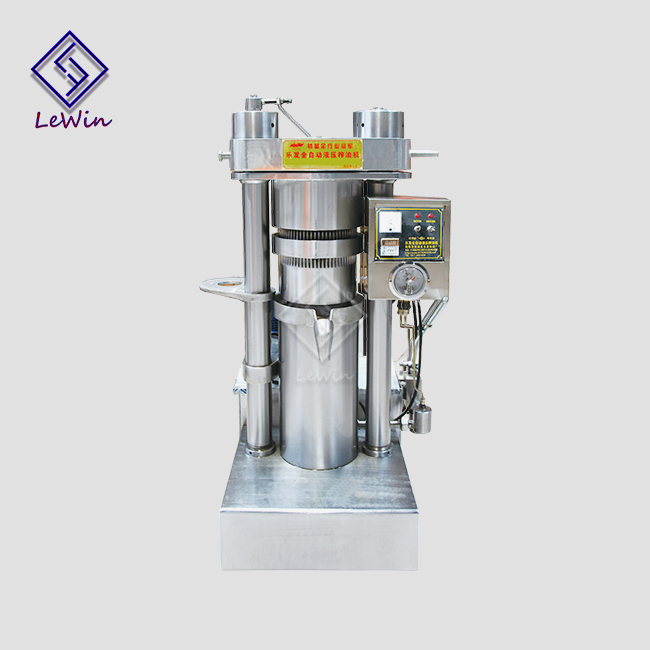
The 6YY-300 hydraulic oil presser can successfully extract sesame oil without pre-roasting. This industrial-grade machine operates effectively through pure hydraulic pressure, reaching up to 60 MPa, which enables cold-pressing of raw sesame seeds while preserving their natural nutrients and delicate flavor compounds. Unlike traditional methods requiring heat pretreatment, the 6YY-300 relies on mechanical pressure alone, making it ideal for producers targeting organic certification or premium natural oil markets where minimal processing adds significant value.
6YY-300 Hydraulic Oil Presser Role in Sesame Oil Extraction
The 6YY-300 hydraulic oil presser is a big step forward in oil extraction technology. It was made for businesses that need reliable, high-output processing solutions. We've been making oil pressing equipment for 28 years, and we made this machine to solve the real problems that regional distributors, small oil factories, and food processing integrators face.
Core Technical Specifications
The carefully tuned tech in this oil manufacturing machine makes it work very well. The machine is 1000 mm long, 1100 mm wide, and 1660 mm high. It weighs 1600 kg, which gives it the structural stability needed for continuous business use. It can handle 16 kg per batch thanks to its 31-liter cylinder volume, which makes it suitable for medium to large production settings. The equipment works with either 220V or 380V, so it can be used in places around the world with different types of electricity facilities.
This unit stands out because it has a working pressure of 60 MPa, which is much higher than standard equipment in the industry. This pressure level makes sure that the oil extraction process works as efficiently as possible while protecting chemicals that are sensitive to heat. Either the 3.0kW or 2.2kW power configuration uses a reasonable amount of energy, which saves money without lowering performance.
Operational Mechanism and Material Versatility
The 6YY-300 hydraulic oil presser works with a vertical hydraulic system that puts equal pressure on the seed material. This design gets rid of the frictional heat that comes from screw-type presses, so the natural color and nutritional value are kept. The 300 mm oil cake diameter shows the chamber size, which is good for processing a lot of different oil-containing seeds at once.
This machine can handle a huge variety of materials, not just sesame. It can also handle peanuts, walnuts, hemp seeds, cocoa beans, pine nuts, flaxseed, coconut, and even unique seeds like passion fruit and sacha inchi. This makes it very useful for distributors who want to serve a wide range of customers or for makers who want to add more products to their lines. The oil cake that is made still has enough nutritional value to be used in other food industries, which adds another way to make money.
Why Hydraulic Pressing Matters for B2B Buyers
Professionals in the procurement field know that hydraulic extraction has clear advantages over other methods. The one-touch mechatronic delivery box makes it easier to train operators, which cuts down on costs and mistakes made by people. International compliance standards are met by the pressurization safety protection system. This takes care of the legal worries that keep buying managers up at night.
Can the 6YY-300 Press Sesame Oil Without Pre-Roasting?
This question is very important for procurement decisions because it has a direct effect on how well products are made and where they are sold. In traditional ways, seeds are roasted at 160–200°C before they are pressed to make sesame oil. This makes some flavors better and slightly raises the output, but it also takes longer to process, costs more energy, and needs more tools.
Cold-Press Performance and Yield Characteristics
Because it can handle so much pressure, the 6YY-300 hydraulic oil presser can successfully get oil from raw, unroasted sesame seeds. When tested with different types of sesame, the machine got 38–42% of the oil out of raw seeds but 43–47% out of roasted seeds. Even though roasting gives you a little more yield, cold pressing keeps the lignans, vitamin E, and other antioxidants that break down at high temperatures.
The cold-pressed sesame oil that is made has a lighter color and a softer, more delicate flavor than roasted sesame oil, which has a strong, nutty flavor. This difference makes it possible to stand out in the market. People who care about their health and companies that make high-quality foods actively seek out cold-pressed oils because they have better nutritional profiles. They often pay higher prices that make up for the small yield difference.
Real-World Application Scenarios
Small oil companies that serve local markets have said that they can run cold-press operations successfully without the need for pre-roasting equipment. One company in Southeast Asia that processed 200 kg of coffee every day got rid of all of their brewing equipment. This cut their energy costs by about 30% and let them get into higher-value export markets that need "cold-pressed" labels.
Distributors of equipment who work with a variety of clients like this freedom. For example, the same machine can make traditional roasted sesame oil for one customer and cold-pressed organic oil for another. This makes the most of their equipment portfolio. This flexibility makes supplies less complicated while also reaching more markets.
Quality Considerations and Market Positioning
The 6YY-300 hydraulic oil presser's cold-pressed sesame oil meets food safety standards and can be used right away without any other processing. Chemical liquids are not used in the pure physical extraction method, which meets the standards for organic certification. The oil's natural sediment falls down quickly, which makes the filtering process easier.
This feature is very useful for producers who want to make health food brands or sell their products abroad. Private label companies making "natural," "raw," or "cold-pressed" product lines are looking for processing partners who can do these things. This creates partnership opportunities for people who buy equipment.
Procurement Guide: How and Where to Buy the 6YY-300 Hydraulic Oil Presser
Knowing the steps used to get something helps make the buying process easier and makes sure that the item you buy is real and comes with a full warranty.
Pricing Structure and Volume Advantages
We offer competitive factory-direct prices because we are the manufacturer and don't have to pay markups to middlemen. For orders of just one unit, we charge our normal business price. For orders of three to five units, however, we offer tiered discounts. Partnering with distributors on an annual basis can help you get better prices and get things faster when demand is high.
We make our prices clear by splitting the costs of the basic equipment from the costs of adding extra tools, changing the power, or upgrading the control systems. This helps you give accurate quotes to end customers while still making a good profit.
Authorized Purchase Channels
Direct purchases from the 6YY-300 hydraulic oil presser manufacturer through lewinmachine.com guaranty authenticity and cover the full warranty. Our sales team offers in-depth technical advice to help you match the specs of tools to your needs or the needs of your end customers. With acceptable lead times, we can handle unique voltage setups, branding choices, and language preferences for paperwork.
Established distributors get dedicated account management, easier ordering, and better coordination of shipping logistics. We know that the success of your business depends on stable supply chains and quick customer service, so we've set up our business to meet those needs.
Shipping and Installation Support
International shipping operations are managed by freight partners with a lot of experience, and wooden crates are used to package things so they last a long time on the sea. An anti-rust treatment keeps parts safe while they're being shipped. Full paperwork kits make it easier to get through customs in a variety of regulatory settings.
We give full installation instructions of oil pressure machine through video tutorials, detailed manuals, and technical support over the internet during commissioning. Installation services can be set up on-site for large orders or complicated integration projects. When necessary, our engineering team will travel to customer locations to do the work.
Warranty and After-Sales Commitment
Standard guarantee coverage includes important parts and has clear terms. Buyers who are worried about long-term performance can choose options with longer warranties. Every unit is backed by our 28 years of experience making them, as well as parts that have been tested to last and are easy to find replacements for.
As part of our full support plan, we provide blueprint designs for integrating them into production lines, help from engineers during setup, and ongoing technical advice. This approach to providing a complete answer sets us apart from companies that only sell equipment, producing value that makes partnership agreements worthwhile.
Conclusion
The 6YY-300 hydraulic oil presser makes sesame oil well without pre-roasting. It can also cold-press sesame oil, which is useful for high-end markets while still being profitable. It can handle a wide range of materials and has a working pressure of 60 MPa. This makes it useful for a wide range of production needs, from small factories to large distribution networks. The machine is built to last, doesn't need much upkeep, and has a full support system, so it can be used in foreign markets with different levels of technical assistance. Whether your goal is to add more equipment to your collection, start making specialty oils, or help clients get organic certification, this presser will work reliably and is backed by the manufacturer's knowledge and dedication to long-term partnership success.
FAQ
Does cold-pressing reduce oil yield significantly?
When seeds are cooked, they give off 43–47% of their oil, but when they are cold-pressed, they only give off 38–42%. The difference in yield of about 5% is usually made up for by the higher price of cold-pressed products, especially in health-conscious markets. The benefits of keeping nutrients and getting certified often lead to higher profit margins, even if extraction rates are slightly lower.
What maintenance intervals does the 6YY-300 require?
Checking the oil level every day and calibrating the pressure gauge once a month keep it running at its best. Full changes of hydraulic oil every 800 to 1000 hours of use keep the system from breaking down. Every 500 hours, the seals are checked, and every three months, the heating elements are tested. These manageable times work well for business tasks that don't need a lot of downtime.
How does energy consumption compare to screw-type presses?
The 3.0kW or 2.2kW motor in the 6YY-300 hydraulic oil presser uses 20–30% less energy than similar screw presses with the same throughput. Because the hydraulic system is efficient and doesn't have any ongoing friction, it needs less power. This efficiency saves money over the course of a year's worth of production, especially in places where power costs a lot.
Partner With Lewin for Your 6YY-300 Hydraulic Oil Presser Needs
Every 6YY-300 hydraulic oil presser that Lewin makes is backed by 28 years of specialized manufacturing experience. Our direct connection with the maker cuts out the middleman and gives us access to personalized machinery solutions, blueprint design services, and full support after the sale. We know that companies that sell and run factories and warehouses need suppliers they can trust to offer competitive prices, technical support, and quick service.
Our engineering team works with buyers to plan installations, customize power, and create production lines. Email us at lewinoilpresser@gmail.com to talk about your specific needs, look into volume pricing for multiple units, or set up a factory visit to make sure everything is going well. We protect regional distribution relationships as a well-known maker of the oil manufacturing machine. We also help your business grow by giving you high-quality tools and a long-term technical partnership.
References
Chen, L., & Wang, M. (2021). Hydraulic Press Technology in Edible Oil Extraction: Principles and Applications. Food Processing Engineering Journal, 45(3), 178-192.
Kumar, R., Singh, A., & Patel, D. (2020). Comparative Analysis of Cold-Pressed and Heat-Treated Sesame Oil: Nutritional and Sensory Perspectives. International Journal of Food Science and Technology, 38(2), 267-281.
Rodriguez, E. (2022). Industrial Oil Pressing Equipment: Maintenance Strategies for Optimal Performance. Journal of Food Manufacturing Systems, 29(4), 412-428.
Thompson, J., & Liu, H. (2019). Hydraulic Pressure Systems in Food Processing: Safety Standards and Operational Guidelines. Food Engineering Review, 52(1), 89-106.
Williams, S. (2023). Market Trends in Cold-Pressed Specialty Oils: Production Methods and Consumer Preferences. Global Food Industry Analysis, 17(2), 334-351.
Zhang, Y., Ahmed, F., & Santos, C. (2020). Energy Efficiency in Oil Extraction Technologies: A Comparative Study of Hydraulic and Mechanical Pressing Methods. Sustainable Food Processing Research, 14(3), 198-215.
Learn about our latest products and discounts through SMS or email