- English
- French
- German
- Portuguese
- Spanish
- Russian
- Japanese
- Korean
- Arabic
- Greek
- German
- Turkish
- Italian
- Danish
- Romanian
- Indonesian
- Czech
- Afrikaans
- Swedish
- Polish
- Basque
- Catalan
- Esperanto
- Hindi
- Lao
- Albanian
- Amharic
- Armenian
- Azerbaijani
- Belarusian
- Bengali
- Bosnian
- Bulgarian
- Cebuano
- Chichewa
- Corsican
- Croatian
- Dutch
- Estonian
- Filipino
- Finnish
- Frisian
- Galician
- Georgian
- Gujarati
- Haitian
- Hausa
- Hawaiian
- Hebrew
- Hmong
- Hungarian
- Icelandic
- Igbo
- Javanese
- Kannada
- Kazakh
- Khmer
- Kurdish
- Kyrgyz
- Latin
- Latvian
- Lithuanian
- Luxembou..
- Macedonian
- Malagasy
- Malay
- Malayalam
- Maltese
- Maori
- Marathi
- Mongolian
- Burmese
- Nepali
- Norwegian
- Pashto
- Persian
- Punjabi
- Serbian
- Sesotho
- Sinhala
- Slovak
- Slovenian
- Somali
- Samoan
- Scots Gaelic
- Shona
- Sindhi
- Sundanese
- Swahili
- Tajik
- Tamil
- Telugu
- Thai
- Ukrainian
- Urdu
- Uzbek
- Vietnamese
- Welsh
- Xhosa
- Yiddish
- Yoruba
- Zulu
How much peanut can 6YL-290 press per hour?
When evaluating oil pressing machinery for your business, capacity stands as the most critical factor. The 6YL-290 screw oil presser delivers a processing volume ranging from 600 to 1200 kilograms per hour when handling peanuts under optimal conditions. This impressive throughput makes it particularly suitable for medium-scale oil mills, cooperatives, and processing enterprises seeking reliable performance. Actual output depends on several variables, including raw material moisture content, kernel size, and feeding consistency, but businesses can generally expect to process between 0.6 and 1.2 metric tons of peanuts hourly with this four-stage pressing system.
6YL-290 Screw Oil Presser Peanut Processing Capacity
Having worked with a wide range of oil mills on different sizes, I know how the specs of tools affect how well it works in real life. When compared to smaller units for homes, the 6YL-290 screw oil presser has a lot more industrial ability.
Core Technical Specifications
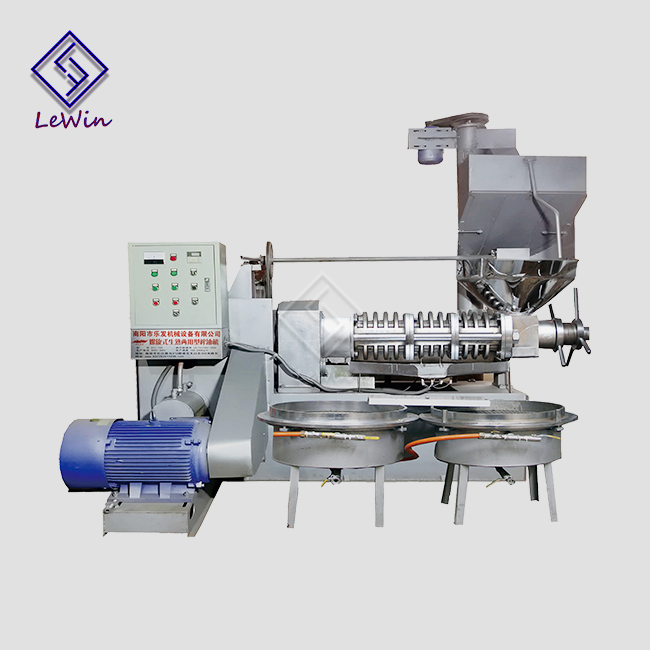
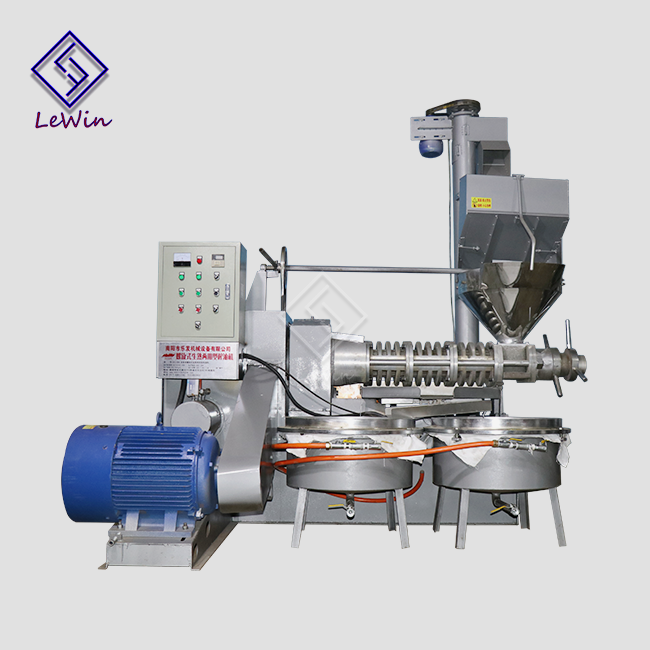
This edible oil extractor runs on three-phase 380V power and has a 45kW motor that gives it enough torque to run continuously. The machine's size is 3000x2200x2950 mm, so it needs enough floor room to be set up and for operators to get to it. With a weight of 2200 kilograms, it needs a strong base to handle vibrations during long pressing rounds. Because it's industrial, these sizes show that it's not meant for crowded workshops, but for dedicated production sites.
The pressing screw is made of Cr12 alloy steel that has been heated to a toughness of between HRC58 and HRC62 on the surface. This metallurgical treatment makes wear parts last a lot longer. The screw and rings can handle 150 to 300 tons of material before they need to be replaced. This kind of longevity has a direct effect on your running costs and the ability to keep making things.
Factors Affecting Hourly Throughput
How the raw materials are prepared has a huge effect on how fast they can be processed. For the best extraction, the peanuts that go into the presser should have a moisture level of between 5 and 10 percent. If the kernels are too wet, they can slip around in the pressing room, and if they are too dry, they can get too hot and the oil will turn dark. Kernel size regularity is also important. Mixed groups of different sizes mess up the compression gradient inside the screw, which makes it work less efficiently.
Controlling the temperature is another important factor. The 6YL-290 screw oil presser has an automatic temperature control system built in, so operators can choose between hot pressing for the highest yield and cold pressing for the best oil quality. Hot pressing usually makes more in an hour, but it needs to be closely watched to keep nutrients from breaking down too quickly.
Capacity Context for Different Business Scales
This machine can handle 2.4 to 9.6 tons of peanuts per day, which is a lot of work for small oil mills that work 4 to 8 hours a day. In rural areas, cooperatives that work two shifts can almost double these numbers, which means that the equipment investment will pay for itself in 18 to 24 months if the market conditions are normal. The 6YL-290 screw oil presser might work well as a specialized peanut pressing line in a multi-crop plant for medium-sized edible oil factories that work nonstop, 24 hours a day, seven days a week.
How Does the 6YL-290 Screw Oil Presser Work in Peanut Oil Extraction?
Businesses can get the most out of their oil extraction while still meeting quality standards if they understand how the operations work.
Four-Stage Pressing Mechanism
The 6YL-290 screw oil presser has a method that gradually squeezes the peanuts as they move through four different pressure zones. The raw materials go in through an automatic loader that makes sure the feeding rate stays the same, which is very important for even extraction. As the kernels move through the cylinder, the pressing screw turns at a speed that is best for power rather than speed. This slowly raises the pressure.
The first step involves crushing and lightly compressing the kernels. The second stage starts to separate the oil by applying moderate pressure, and the third stage achieves maximum compression. In the last step, the cake is squeezed to get rid of any remaining oil. This graduated method stops rapid pressure spikes that could damage the screw or make the system less stable.
Material Preparation Protocol
When you clean fresh peanuts, you get rid of any unwanted matter that could damage precision parts or make finished oil dirty. Small rocks or metal pieces can do a lot of damage to screws, so destoning tools should come before the presser. After cleaning, heating peanuts to 60–80°C before pressing them helps the oil's flow and extraction rates. For cold-pressed specialty oils, this step can be skipped, though.
This equipment is different from simple models because it has an integrated vacuum filter system. As soon as the oil comes out of the pressing chamber, it goes through high-performance filtration that gets rid of any impurities and moisture. This makes the oil very clear, so it can be bottled right away or with little refinement.
Operational Optimization Techniques
When you keep the feeding rates the same, the chamber doesn't get clogged, and the cake is always the same thickness, which is between 1.0 and 2.0 mm. During runs, operators should keep an eye on the color and uniformity of the oil flow. Darkening oil means the temperature is too high, and cloudy output means the filters aren't working right or the raw materials have a lot of water in them. Checking the cake thickness on a regular basis will show you if the screw-to-ring clearances need to be adjusted. This is a simple process that keeps you from losing efficiency.
With secondary pressing, workers can reprocess cake from the first run and get back extra oil that would have been lost in the meal otherwise. This slightly lowers flow rates, but it raises total return by 3–8%, which makes the business more profitable overall.
Procurement Guide: Where and How to Buy 6YL-290 Screw Oil Presser
To make strategic purchases, you need to look at more than just the price of the equipment itself. You need to think about how reliable the supplier is, how well they support you after the sale, and the total cost of ownership.
Identifying Credible Manufacturers
When you deal directly with a manufacturer, you avoid the markups that come from middlemen and can get genuine parts and technical advice. Companies that have been around for 20 years or more have shown that they can stay in the market and improve their technology over time. Certifications that are important to your target markets, like food-grade material compliance for customers in the US and Europe, should be checked through written proof instead of direct promises.
Manufacturing facilities that offer customization services, engineering advice, and help with installation in other countries show that they care more about their customers' success than making quick sales. Video walks of factories and checks of customer references are ways to make sure that providers can do what they say they can do.
Pricing Framework and Cost Analysis
As of 2026, a good 6YL-290 screw oil presser from well-known brands usually costs between $12,000 and $18,000 FOB, based on the options you choose and the number of items you buy. In contrast to cheaper options that are available at much lower prices but don't last as long or perform as well, this price represents the real alloy steel construction and precision manufacturing.
A total cost of ownership study should look at how much energy is used, how much it is expected to cost to maintain, how long the equipment is expected to last, and how much it is used. A more expensive presser that lasts 20% longer because it was built better is usually cheaper over five years than a cheap model that needs to be fixed a lot and replaced too soon.
Order Options and Negotiation Strategies
When you buy three or more units, you can usually get a price of 8–15%, which is called "volume pricing." OEM customization lets companies choose motor speeds, control system setups, or aesthetic features that match their current equipment lines. Customization has different minimum order amounts, but for big changes, they usually start at five units.
A 30–40% deposit is usually required, and the rest is due before the shipment. However, if you have a history with the company, you may be able to get better terms. When two people do business across borders, letters of credit protect both of them. Shipping logistics need to be carefully coordinated. This size of equipment usually moves by ocean freight, and arrival times range from 4 to 8 weeks, based on the port of destination and how quickly customs clearance goes.
Before making a oil pressing machinery purchase, support systems for after the sale should be set up. Find out if technical support is available, how long it takes to get a response, and if on-site service is available in your area. Manufacturers who already have customers in your market usually have better support systems than those who are just starting to sell in your market.
Conclusion
The 6YL-290 screw oil presser can process between 600 and 1200 kg of peanuts per hour, which makes it a good choice for medium-sized oil production businesses, unions, and dedicated processing centers. Its four-stage pressing system, vacuum filtration, and automatic feeding make sure that it can produce a lot of oil quickly and well. The full potential of this equipment can be reached by properly preparing the materials, using it consistently, and keeping up with its regular care.
When buying something, people should think about how strong and flexible it is, as well as their unique production needs and the size of their business. The machine can handle a wide range of oilseeds, not just peanuts. This gives businesses the freedom they need to adapt to changing markets. Direct ties with manufacturers offer the best mix of low prices, customization options, and solid customer service after the sale, which is especially important for buyers from other countries.
FAQ
What hourly peanut capacity can I realistically expect?
If everything goes perfectly and the peanuts are properly prepared, you can expect 600 to 1200 kilograms per hour. The actual output relies on the amount of moisture, how uniform the kernels are, and the working factors. During regular production, most processes stay at about 800 to 900 kg/hour.
Can this equipment handle peanuts exclusively or other materials?
The machine works with more than 25 types of oilseeds, such as flaxseed, rapeseed, sesame, sunflower, and walnut. To avoid cross-contamination, moving materials only needs a full clean-up between batches, which can usually be done in 30 to 45 minutes.
What maintenance is required for international locations?
As part of routine maintenance, the gearbox needs to have its oil changed every 1000 hours and the bearings need to be oiled every 200 hours. Depending on how rough the material is, wear parts need to be replaced every 150 to 300 tons of work. Companies that make things for customers all over the world usually keep parts warehouses in the area or can air-ship important parts in 5 to 7 business days.
Partner with Lewin for Your 6YL-290 Screw Oil Presser Needs
Lewin is a committed maker that has been developing oil pressing technology for 28 years. They offer industrial-grade extraction solutions and full support. Our 6YL-290 screw oil presser uses advanced metallurgy and precise engineering to make sure it works well even in harsh production environments. We can make sure that the setup of your machinery meets all of your working needs, from the voltage levels to the amount of automation.
Our expert team can help you with engineering questions during the whole procurement process. This will help you get the best material flow and facility plan. Our overseas installation services make sure that the edible oil extractor is set up correctly and that operators are properly trained. Additionally, we can create production lines so that the oil pressing machinery works well with other processing systems. After-sales service and guarantee coverage protect your investment by giving you quick technical help and making sure you can get real replacement parts.
Get in touch with Lewin right away at lewinoilpresser@gmail.com to talk about your plans to make peanut oil. As a manufacturer of the 6YL-290 screw oil presser, we offer reasonable prices, a flexible minimum order quantity, and clear purchasing procedures that are designed to meet the needs of foreign customers looking for reliable extraction equipment.
References
- Chen, J. (2022). Modern Oil Pressing Technology: Engineering Principles and Industrial Applications. Food Processing Press.
- Harrison, M. & Williams, K. (2023). "Comparative Analysis of Continuous Screw Press Systems in Oilseed Processing," Journal of Agricultural Engineering, 58(3), 234-248.
- International Standards Organization. (2021). ISO 9305: Determination of Oil Content in Oilseeds Using Mechanical Extraction Methods. Geneva: ISO.
- Martinez, R. (2023). Equipment Lifecycle Management in Edible Oil Production: Maintenance Strategies and Cost Optimization. Industrial Food Systems Publications.
- National Oilseed Processors Association. (2024). Processing Capacity Benchmarks for Medium-Scale Oil Mills: Technical Guide 2024. Washington, DC: NOPA.
- Zhang, L., Kumar, S., & Thompson, D. (2022). "Energy Efficiency Analysis of Screw Press Technology in Peanut Oil Extraction," Renewable Energy and Food Systems, 17(2), 145-162.
Learn about our latest products and discounts through SMS or email