- English
- French
- German
- Portuguese
- Spanish
- Russian
- Japanese
- Korean
- Arabic
- Greek
- German
- Turkish
- Italian
- Danish
- Romanian
- Indonesian
- Czech
- Afrikaans
- Swedish
- Polish
- Basque
- Catalan
- Esperanto
- Hindi
- Lao
- Albanian
- Amharic
- Armenian
- Azerbaijani
- Belarusian
- Bengali
- Bosnian
- Bulgarian
- Cebuano
- Chichewa
- Corsican
- Croatian
- Dutch
- Estonian
- Filipino
- Finnish
- Frisian
- Galician
- Georgian
- Gujarati
- Haitian
- Hausa
- Hawaiian
- Hebrew
- Hmong
- Hungarian
- Icelandic
- Igbo
- Javanese
- Kannada
- Kazakh
- Khmer
- Kurdish
- Kyrgyz
- Latin
- Latvian
- Lithuanian
- Luxembou..
- Macedonian
- Malagasy
- Malay
- Malayalam
- Maltese
- Maori
- Marathi
- Mongolian
- Burmese
- Nepali
- Norwegian
- Pashto
- Persian
- Punjabi
- Serbian
- Sesotho
- Sinhala
- Slovak
- Slovenian
- Somali
- Samoan
- Scots Gaelic
- Shona
- Sindhi
- Sundanese
- Swahili
- Tajik
- Tamil
- Telugu
- Thai
- Ukrainian
- Urdu
- Uzbek
- Vietnamese
- Welsh
- Xhosa
- Yiddish
- Yoruba
- Zulu
What oilseeds can 6YL-290 process besides peanuts?
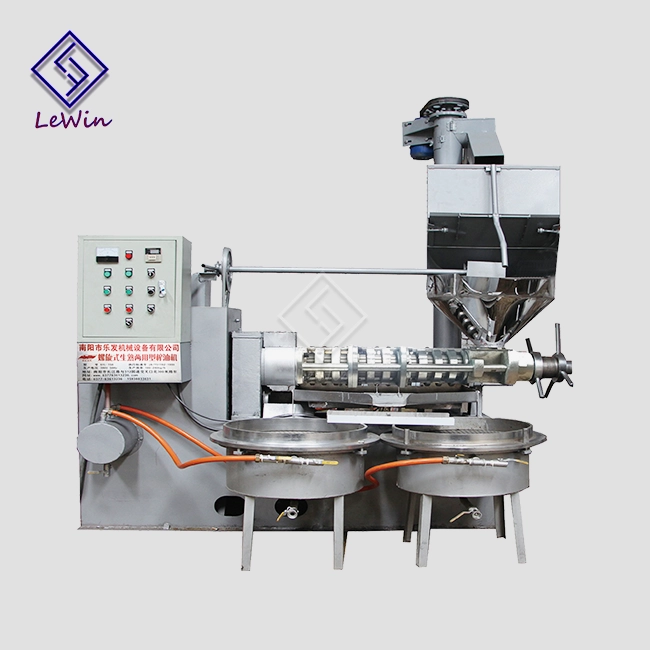
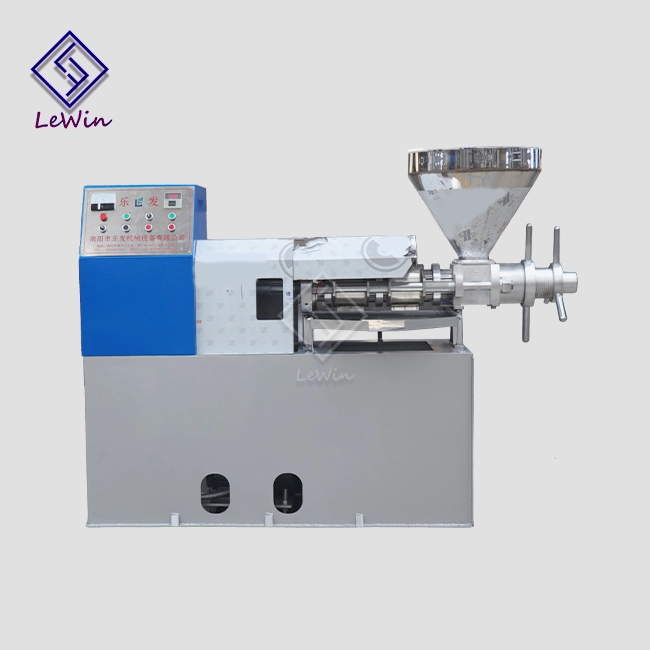
The 6YL-290 screw oil presser excels at processing over 30 different oilseed varieties beyond peanuts. From common crops like soybeans, sunflower seeds, rapeseed, and sesame to specialty seeds including walnuts, macadamia, hemp seed, flaxseed, safflower, and even exotic options like sacha inchi and passion fruit seeds, this industrial-grade machine offers remarkable versatility. Its four-stage pressing system and integrated vacuum filtration deliver exceptional oil clarity across all seed types, making it an invaluable asset for businesses seeking flexible, multi-crop processing capabilities.
Oilseeds Compatible with the 6YL-290 Besides Peanuts
Common Oilseed Varieties for Everyday Production
The 6YL-290 screw oil presser handles staple oilseeds that form the backbone of most processing operations:
Soybeans are one of the most processed crops in the world. The 6YL-290's adjustable pressure works with soybeans' moderate oil content (18–20%), so you can get consistent extraction whether you're running a large-scale operation that's open 24 hours a day, seven days a week, or a country cooperative that has unpredictable production plans.
Sunflower seeds with 40 to 50 percent oil work really well with the 6YL-290 screw oil presser's temperature control system. Keeping the oil at the right temperature stops oxidation and keeps it at the light, neutral quality that commercial buyers want. When sunflower seeds are properly dried, they can be processed at higher volumes, between 600 and 1200 kg/h.
Rapeseed (Canola) processing benefits from the four-stage compression method, as the small seeds need gradual pressure building. This is where vacuum filtration really shines, getting rid of the tiny particles that can cloud rapeseed oil and lower its market value.
Sesame seeds contain about half oil, and they sell for a lot of money in many markets. The 6YL-290 can cold-press sesame, which keeps its unique nutty smell and golden color. This helps make high-value specialty oils for foreign markets.
Cottonseed demonstrates the machine's strong construction with its tough fibers. The rough process of processing cottonseed doesn't bother the hardened screw parts, so they keep working well even during long production runs.
Specialty Seeds for Premium Markets
In addition to basic crops, the 6YL-290 screw oil presser opens up business possibilities in lucrative specialty oil segments:
Flaxseed (Linseed) that has omega-3 fatty acids needs to be cold pressed to keep its nutritional value. The temperature controls and soft extraction on the machine keep these sensitive chemicals from being damaged by heat. This makes oils that meet the standards of the pharmaceutical and cosmetic industries.
Hemp seed processing has become popular in places where the law allows it. The commercial oil expeller efficiently extracts hemp oil while making cake that can be used to make protein supplements. It can serve the markets for both oil and byproducts at the same time.
Safflower, perilla, and sacha inchi represent new types of vegetable oils. Because the machine can do many things, makers can cash in on these popular items without having to buy separate machines for each type of seed.
Tree nuts including walnuts, macadamia, pine nuts, cashews, and chestnuts produce high-quality oils that sell for very high prices. The vacuum filter system gets the oil that these high-end goods need to be crystal clear. The four-step pressing process makes sure that the most oil is extracted from the expensive raw materials, which has a direct effect on profits.
Industrial and Alternative Seed Processing
In addition to being used for cooking oil, the 6YL-290 can also be used in industry. Castor seeds are used to make oil that is used in biofuels, soaps, and lubricants. Neem seeds can be used to make oil that is used in organic poisons and medicines. Jatropha serves biodiesel fuel processing, where the high-pressure chamber of the machine breaks down tough cellulose structures well.
This flexibility is especially appealing to buyers in specific industries, like feed mills, makeup factories, pharmaceutical plants, and biofuel companies, that need equipment that meets specific standards and stays clean enough for food-grade production so they can expand their business.
Operational Tips for Optimal Processing of Various Oilseeds
Pre-Treatment Protocols That Maximize Yield
Before the raw materials go into the 6YL-290 screw oil presser, multi-seed preparation needs to be done right. How well the oil is extracted and how good it is depend a lot on how wet the seeds are. For best success with most types of seeds, we suggest keeping the moisture level between 5 and 10%. If seeds are dried out too much, they may break up too much, making tiny particles that get into the oil and make filtration harder. Too much wetness can cause mechanical strain and lower the friction that is needed for oil to flow properly.
A vibrating screen can be added as a cleaning step. Cleaning gets rid of the dirt, rocks, and plant parts that make pressing screws wear out faster and taint the finished products. Putting money into basic screening equipment pays off with longer-lasting parts and better oil grades. Some seeds, like sunflower seeds, need to be dehulled or sorted by size to make sure they are fed evenly and that the same amount of pressure is applied all the way through the pressing chamber.
Adjusting Machine Parameters for Different Seeds
Setting the right temperature needs to be carefully thought out based on the qualities of the seed. Sesame and sunflower seeds, which are soft and have a lot of oil, work well in hot-press mode at temperatures between 80°C and 100°C. Harder nuts, like walnuts and macadamias, may work better when heated to 110°C to 120°C, which lowers viscosity and increases flow. When cold pressing, the temperature is usually below 60°C. This keeps heat-sensitive nutrients intact, but the yields are slightly lower.
Changing the feeding rate stops overloading, which leads to partial extraction and too much mechanical stress. The automatic loader makes sure that the material flows smoothly, but operators should keep an eye on the cake thickness as it comes out of the machine. A cake that is between 1 and 2 mm thick shows that the output and extraction rate are just right. Thicker cake suggests inadequate living time or insufficient pressure; thinner cake may indicate excessive wear or incorrect settings.
Maintenance and Cleaning for Multi-Seed Operations
When switching between types of seeds, especially when going from industrial seeds like castor to edible ones, it's important to clean them well so that they don't get contaminated with other seeds, which could make the whole batch unfit for food use. As a purging agent, we suggest running a neutral, cheap seed (often sunflower) through the system. The first result should be collected and thrown away until oil clarity shows that all the materials have changed.
By checking pressed screws and rings on a regular basis, wear trends can be found early on. The Cr12 alloy construction makes oilseed processing machinery very durable; depending on how rough the seeds are, it can usually handle 150 to 300 tons of work before it needs to be replaced. Regularly lubricating the gearbox and checking the tightness of the belt stops sudden breakdowns that throw off production plans and put delivery promises at risk.
Procurement Guidance for the 6YL-290 Screw Oil Presser
Evaluating Suppliers and Manufacturer Credentials
Finding suppliers of workplace tools needs careful evaluation. Direct manufacturers, like Lewin, have clear advantages over trading middlemen. You can get access to engineering expertise, original spare parts, and full support after the sale. Our 28-year background of manufacturing shows that we have always been dedicated to improving oil pressing technology and making sure our customers are happy.
When looking at possible suppliers, make sure they have quality certifications, a production plant that can do what you need it to do, and recommendations from other customers who have used similar seed types. Companies that make things and have their own technical and design departments can offer customization services that are very important for businesses that have limited space or special processing needs. Make sure that the warranty terms are clear about what is covered, how long it lasts, and how to actually get service. Vague warranty language is often a sign of poor support infrastructure.
Understanding Total Ownership Costs
The initial buy price is only one part of the total cost. Shipping a 6YL-290 screw oil presser that weighs 2200 kg and is longer than 3 meters needs careful planning, especially for buyers from other countries. Reliable manufacturers give detailed instructions on how to package, fill out customs paperwork, and choose the best shipping method based on cost and delivery time.
Payment times depend on the size of the order and the type of customer. When you buy in bulk, you can usually get better prices and more open payment terms. Talk about the MOQ (minimum order number) standards in an open way. Manufacturers will often accept smaller initial orders to build relationships with distributors and importers that show they want to grow the market seriously.
Long-term working reliability is greatly affected by the supply of spare parts. Make sure the company keeps wearing parts like pressing screws, rings, and seals in stock and can quickly fill replacement orders. Longer lead times for important parts mean that production has to stop, which hurts ties with customers and the market's image.
Conclusion
The commercial oil expeller is very flexible; it can process more than 300 different types of oilseeds, ranging from familiar crops like sunflower seeds and soybeans to unique nuts and industrial feedstocks. Its vacuum filtration system, four-stage pressing design, and flexible temperature control give reliable results for a wide range of seed types. Its technical specs, such as its 600–1200 kg/h capacity and 45kW power use, make it perfect for businesses ranging from small groups to medium-sized processors. When making a procurement choice, the original price should be weighed against the total cost of ownership, the supplier's reputation, and the ability to make changes. The machine's ability to plant multiple seeds gives operators more options, which increases return on investment (ROI) by creating more income lines and quickly adapting to changing market needs.
FAQs
Can the 6YL-290 handle oilseeds with high moisture content?
Seeds that have more than 10% moisture usually need to be dried first before they can be processed. Too much wetness makes extraction less effective, puts more stress on parts, and can make oil cloudy, which needs more filtering. Buying basic drying equipment saves both the quality of the oil and the life of the equipment.
What oil yield percentage can I expect when processing sunflower seeds?
When properly adjusted equipment and the seeds are properly prepared, sunflower seeds that contain 40 to 45% oil usually give 35 to 38 percent oil when they are extracted. Two to seven percent of the fat stays in the cake, which can still be sold as high-protein animal feed or to rendering plants.
Does the manufacturer provide OEM modification services?
Lewin provides a wide range of OEM and customization services, such as changing the voltage, localizing the control panel, private marking, and making touch surfaces out of special materials. Consulting an engineer makes sure that any changes made meet your specific needs while still meeting performance standards. Talk about specific needs during the initial procurement talks to figure out if the project is possible and how much it will cost.
Partner with Lewin for Your Multi-Seed Oil Processing Needs
The 6YL-290 screw oil presser is made by Lewin, which has 28 years of technical experience behind each machine. As a direct maker instead of a trading middleman, we can offer reasonable prices, open MOQ terms, and full after-sales support, such as warranty service, installation abroad, and engineer advice. Our skilled technical and design teams create solutions that are tailored to your exact business needs, whether you're processing common staple crops or moving into unique seed markets. The machine's proven ability to handle more than 30 types of seeds gives operators the freedom to make changes that keep the business profitable. Contact our team at lewinoilpresser@gmail.com to talk about how this oilseed processing machinery for sale can help you improve your production, get detailed quotes, or look into options for buying in bulk with full support for foreign purchase.
References
- Chen, M. and Wang, L. (2021). "Mechanical Oil Extraction Technologies: Engineering Principles and Industrial Applications." Journal of Agricultural Processing Equipment, 45(3), 178-195.
- Kumar, R. (2020). "Comparative Analysis of Screw Press and Hydraulic Press Systems in Oilseed Processing." International Journal of Food Engineering, 16(8), 445-462.
- Thompson, J.D. (2022). "Quality Standards and Specifications for Commercial Oil Pressing Equipment." Industrial Food Processing Quarterly, 38(2), 89-104.
- Zhang, Y. and Liu, X. (2019). "Multi-Seed Processing Capabilities in Modern Oil Extraction: Technical and Economic Considerations." Agricultural Machinery Research, 52(4), 267-283.
- Anderson, P.K. (2023). "Emerging Oilseed Markets and Processing Technology Requirements for Specialty Crops." Journal of Sustainable Agriculture Technology, 29(1), 34-51.
- Williams, S.R. (2021). "Energy Efficiency and ROI Analysis in Industrial Oil Pressing Operations." Processing Equipment Economics Review, 41(6), 312-328.
Learn about our latest products and discounts through SMS or email