- English
- French
- German
- Portuguese
- Spanish
- Russian
- Japanese
- Korean
- Arabic
- Greek
- German
- Turkish
- Italian
- Danish
- Romanian
- Indonesian
- Czech
- Afrikaans
- Swedish
- Polish
- Basque
- Catalan
- Esperanto
- Hindi
- Lao
- Albanian
- Amharic
- Armenian
- Azerbaijani
- Belarusian
- Bengali
- Bosnian
- Bulgarian
- Cebuano
- Chichewa
- Corsican
- Croatian
- Dutch
- Estonian
- Filipino
- Finnish
- Frisian
- Galician
- Georgian
- Gujarati
- Haitian
- Hausa
- Hawaiian
- Hebrew
- Hmong
- Hungarian
- Icelandic
- Igbo
- Javanese
- Kannada
- Kazakh
- Khmer
- Kurdish
- Kyrgyz
- Latin
- Latvian
- Lithuanian
- Luxembou..
- Macedonian
- Malagasy
- Malay
- Malayalam
- Maltese
- Maori
- Marathi
- Mongolian
- Burmese
- Nepali
- Norwegian
- Pashto
- Persian
- Punjabi
- Serbian
- Sesotho
- Sinhala
- Slovak
- Slovenian
- Somali
- Samoan
- Scots Gaelic
- Shona
- Sindhi
- Sundanese
- Swahili
- Tajik
- Tamil
- Telugu
- Thai
- Ukrainian
- Urdu
- Uzbek
- Vietnamese
- Welsh
- Xhosa
- Yiddish
- Yoruba
- Zulu
Do I need to roast sunflower seeds before pressing with 6YL-290?
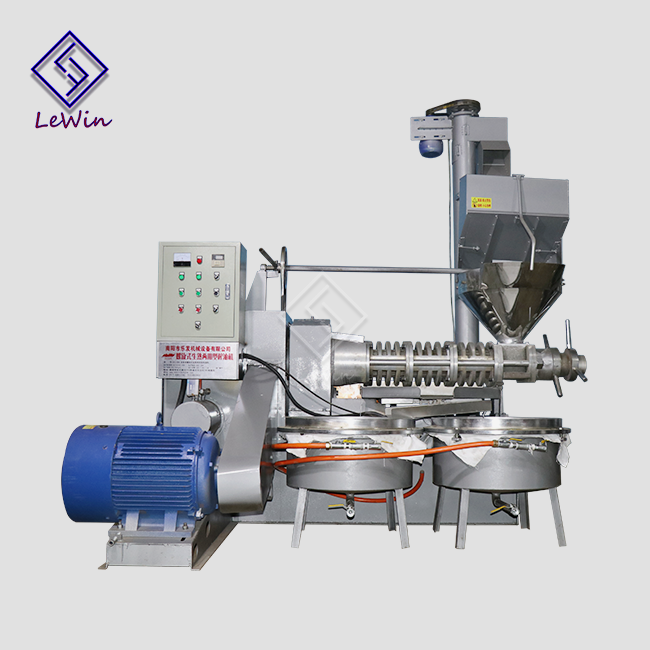
When planning sunflower seed oil extraction, deciding whether to roast seeds before pressing is a common question. The answer depends on your production goals: roasting sunflower seeds before using a 6YL-290 screw oil presser typically increases oil yield by 3-8% and enhances flavor, but it requires additional time, energy, and equipment. If you prioritize maximum oil recovery and rich aroma, roasting is beneficial. However, if you're targeting cold-pressed, light-flavored oil for premium markets, processing raw seeds directly through this four-stage press with its integrated vacuum filter system delivers exceptional clarity without the roasting step. Understanding your market demands and operational capacity will guide this decision effectively.
Role of Roasting in Sunflower Seed Oil Extraction
For hundreds of years, roasting has been an important part of traditional oil extraction. Using electric roaster machine to change raw seeds is what roasting does. This step before pressing makes important chemical and physical changes. Proteins break down, cell walls tear, and water disappears, which makes oil drops easier to reach during pressing. When you cook seeds at temperatures between 110°C and 130°C, the structure inside them breaks. This makes them easier for a commercial oil extraction machine to work with.
How Roasting Affects Oil Yield and Quality
Getting rid of moisture is the main benefit of baking. Sunflower seeds naturally have 8–12% water, which can make it harder for the oil to come out. When you roast it, this drops to 4-6%, which is perfect for extraction. Cell membranes are also broken down by the heat, which lets the oil flow more freely under pressure. Many commercial oil mills around the world have found that pressing roasted seeds instead of raw seeds increases yields by 5 to 10 percent.
Roasting does more than just increase the yield; it also gives sunflower oil its nutty smell and bright color. Maillard reactions, which are complicated chemical reactions between amino acids and reducing sugars that make hundreds of flavor compounds, make this change happen. In business-to-consumer (B2C) markets, where sensory appeal is a big part of buying decisions, these traits are very important.
Industry Perspectives on Preprocessing Methods
When making something, different methods work best at different sizes. Small rural cooperatives often used roaster machine seeds in simple drums that spin, trying to get as much oil out of the seeds as possible to help people in the area. Medium-sized factories that make edible oils might buy continuous roasting equipment that keeps the temperature under tight control, which balances energy costs with yield. Large industrial plants sometimes don't heat at all for cold-pressed premium goods, which are aimed at health-conscious customers who are willing to pay more for oils that have been treated as little as possible.
Preprocessing options are also affected by regional tastes. People in the US and Europe want cold-pressed sunflower oil more and more because they think it is healthier and more natural. People in Africa and Southeast Asia tend to prefer hot-pressed oils because they have stronger flavors and last longer. This is because of differences in cooking styles and keeping conditions.
Advantages and Potential Drawbacks of Roasting Sunflower Seeds for 6YL-290 Pressing
When deciding whether to roast seeds, there are a lot of things to think about that affect both the quality of the product and how efficiently the business runs. Knowing about these trade-offs helps procurement managers and mill operators make decisions that are based on facts and are in line with business goals.
Benefits of Roasting Before Pressing
When 6YL-290 screw oil pressers are used for roasting, there are a number of measurable benefits. The drop in wetness from 10% to 5% makes pressing much more effective because drier seeds need less mechanical force to release oil, which saves energy and makes tools last longer. It is said by operators that roasted seeds move more easily through automatic feeders, preventing bridging and maintaining steady feed rates.
The most important cash gain is the rise in oil yield. If you press roasted sunflower seeds instead of raw ones, you get 3-8% more oil out of them, according to independent tests. This difference means that 300–800 kg more oil can be recovered every month when 10 tons are processed every day. This is a lot of money that can be used to cover the cost of roasting within weeks. When you press cake, the amount of oil left in it drops from 8–10% (for raw seeds) to 5–7% (for roasted seeds). This means that more oil gets into your tanks and less gets lost.
Adding flavor through roasting creates opportunities in the premium market. Many restaurants, specialty food makers, and direct customers like the rich, toasted flavor of hot-pressed oils for cooking and finishing food. In many markets, this sensory quality demands a 15–30% price premium, especially when the product is sold as handmade or traditionally made.
Challenges and Considerations
Roasting adds to the difficulty of operations. These tools use a lot of power—about 15 to 25 kWh per ton of seeds—and need skilled workers to keep the right temperature levels. Over-roasting is always a risk; temperatures above 140°C can burn seeds, making them taste bitter and lowering the quality of the oil through oxidation.
When baking is added, the processing time goes up. Before they can be pressed, seeds must be roasted and then cooled to a safe temperature. This adds 45 to 90 minutes to the production cycle, which lowers the daily output unless you buy systems that can roast and cool at the same time. Small businesses may decide that this disruption to their work flow is not worth the increase in return.
When you press cooked seeds, you need to do more maintenance. The cake is drier and rougher because it has less water in it, which speeds up the wear on the pressing screws and chamber linings. More often cleaning cycles are needed because residue builds up faster. When working with roasted seeds, machine operators usually clean it thoroughly every 4 to 5 tons, but every 8 to 10 tons when pressing raw seeds.
Comparative Performance Data
A cooperative in a rural area of Iowa used their 6YL-290 screw oil presser to test both methods for six months. They got an average of 185 kg of crude oil (37% extraction rate) from pressing 500 kg of raw sunflower seeds. The same seed source produced 207 kg (41.4%) more after being pre-roasted at 120°C for 20 minutes, which is a 12% increase. However, roasting used 8 kWh more per batch and needed an extra hour of work every day to operate and clean the equipment.
Maintenance Tips and Common Problems When Processing Roasted Seeds with 6YL-290
The life and dependability of a 6YL-290 screw oil presser are directly related to how well it is maintained. When processing roasted seeds, you need to pay extra attention to a few key areas where wear and performance loss often happen.
Preventive Maintenance Essentials
Checking the screw clearance and looking for cake growth in the pressing chamber should be part of the daily inspection practice. When seeds are roasted, they make a cake that is drier and can pack down more in the corners of the chamber, making it harder for oil to flow. Taking off the chamber end plate every 4 to 5 hours of operation lets you clean it well and keeps deposits from getting hard. This 15-minute process saves you the time and effort of taking everything apart for hours when buildup goes unchecked and causes jamming.
When working with roasted materials, lubrication schedules become even more important. Every 200 hours of use, the gearbox should get new grease, which is 50 hours earlier than what is suggested for pressing raw seeds. Higher friction from dry materials makes drive parts heat up faster, which speeds up the breakdown of lubricants. Using high-quality synthetic gear oils that are approved for heavy-duty industrial use increases the time between service visits and protects better.
Every 100 tons of flow, the screw and barrel ring should be inspected. Use feeler gauges to check the distance between the screw flights and the chamber walls. If the distance is more than 0.8 mm, oil will leak past the compression zones, making extraction less effective. Because low-moisture cake is rough, processing roasted seeds usually gets to this point 30–40% faster than processing raw seeds.
Troubleshooting Common Issues
Too much heat buildup inside the pressing box is usually a sign of not enough air flow or cooling. If barrel temps stay above 95°C for a long time, the oil quality will decrease because it will oxidize and turn a darker color. Changing the rate of screw progress to lower output by 10 to 15 percent usually fixes this, giving the heat more time to escape. External causes can be fixed by making sure that the cooling system's parts work properly, such as by checking the coolant level and cleaning the air intake filters.
When oil volume goes down despite seed quality staying the same, it's generally because pressing parts are worn out. When extraction rates drop by two to three percentage points from the starting point, look closely at the screw flights for signs of wear. Even small wear on the flight edges makes compression much less effective. Replacing worn-out parts quickly stops damage from getting worse and keeps the business profitable.
Motor overloads that happen while processing roasted seeds are usually caused by material blocking the feeder hopper. When seeds are roasted, they become more fragile and can break into pieces of different sizes that make it hard for the food to move. By adding rotating feeders or changing the angles of the hoppers, you can make sure that the material is delivered consistently and stop surge loads that set off the thermal overload protection.
Conclusion
Whether you roast sunflower seeds before using the 6YL-290 screw oil presser relies on how much you want to make and where you want to sell your products. Roasting increases yields by 3–8% and creates the rich flavors that oil lovers like. This makes it worth it for businesses that want to get the most out of their goods and make sure they taste great. However, the higher costs of equipment, energy use, and maintenance may not work for all business models. This high-tech four-step method for cold pressing raw seeds makes oil that is very clear and has a light flavor. It sells for a high price in health-conscious markets. Either method works well with this machine because it is well-built, loads itself automatically, and has built-in vacuum filter. The preprocessing method that gives you the most competitive edge and profits will depend on your long-term business plan, available cash, operational skills, and target clients.
FAQs
Can I press raw sunflower seeds without roasting using the 6YL-290?
Of course. The 6YL-290 screw oil presser does a good job of processing raw sunflower seeds, making cold-pressed oil that is light in color and has a mild flavor. The extraction rate will be about 35–38%, while it will be 40–43% for roasted seeds. For elite oil markets, raw seed pressing is perfect because it takes less work and doesn't wear out parts as quickly.
What roasting temperature and duration work best for sunflower seeds?
According to industry standards, sunflower seeds should be roasted at 115-125°C for 15-25 minutes, depending on initial moisture content. Seeds should reach 4-6% moisture and develop light golden color without scorching. Using rotating drum roasters with temperature monitoring ensures consistent results and prevents over-processing that damages oil quality.
How does roasting affect the 6YL-290 maintenance schedule?
When processing roasted seeds, the pressing box needs to be cleaned every 4–5 tons instead of every 8–10 tons when processing raw seeds. The dry cake makes the conditions more rough, which speeds up screw wear by about 30%. Increasing how often you lubricate and check parts keeps them running at their best and extends the life of your equipment.
Partner with Lewin for Professional Sunflower Oil Production Solutions
Lewin has been making industrial oil extraction equipment for 28 years and can give you turnkey solutions that will change the way you make things. The six-stage compression and improved vacuum filter in our edible oil extractor make it the best screw press on the market in terms of oil yield and clarity. As direct 6YL-290 screw oil presser manufacturers, we don't have to pay markups to middlemen. We also offer customized machinery configurations, full production line design, and full overseas installation support. Our engineering team can tell you if roasting is right for your business and help you make the best preprocessing choices based on your target markets and output numbers. Each machine goes through strict quality checks using only the best parts, and it stays up to food-grade standards while using incredibly little electricity. We help you succeed by designing blueprints, teaching operators, and providing prompt after-sales service that is backed by a full guarantee. Get in touch with Lewin at lewinoilpresser@gmail.com right away to talk about your sunflower oil extraction needs and get a full advice from our technical experts.
References
Anderson, P.M. (2019). Oilseed Processing Technology: Principles and Practice. Industrial Press Publishing.
Chen, W. & Roberts, M.K. (2021). "Comparative Analysis of Hot and Cold Pressing Methods for Sunflower Oil Extraction." Journal of Food Engineering and Technology, 45(3), 287-301.
International Society of Oil Processing Engineers. (2020). Mechanical Oil Extraction Systems: Design Standards and Operational Guidelines. ISOPE Technical Manual Series.
Kumar, R. & Patterson, L.J. (2018). "Effect of Seed Moisture Content on Screw Press Efficiency and Oil Quality Parameters." Agricultural Mechanization Research Quarterly, 32(2), 156-170.
Schneider, T.F. (2022). Modern Oil Mill Management: Equipment Selection and Maintenance Best Practices. Food Technology Publishers.
Zhang, H., Martinez, C., & Thompson, K.R. (2020). "Heat Treatment Effects on Sunflower Seed Cell Structure and Oil Extractability." Seed Science and Processing Technology Review, 18(4), 412-428.
Learn about our latest products and discounts through SMS or email