- English
- French
- German
- Portuguese
- Spanish
- Russian
- Japanese
- Korean
- Arabic
- Greek
- German
- Turkish
- Italian
- Danish
- Romanian
- Indonesian
- Czech
- Afrikaans
- Swedish
- Polish
- Basque
- Catalan
- Esperanto
- Hindi
- Lao
- Albanian
- Amharic
- Armenian
- Azerbaijani
- Belarusian
- Bengali
- Bosnian
- Bulgarian
- Cebuano
- Chichewa
- Corsican
- Croatian
- Dutch
- Estonian
- Filipino
- Finnish
- Frisian
- Galician
- Georgian
- Gujarati
- Haitian
- Hausa
- Hawaiian
- Hebrew
- Hmong
- Hungarian
- Icelandic
- Igbo
- Javanese
- Kannada
- Kazakh
- Khmer
- Kurdish
- Kyrgyz
- Latin
- Latvian
- Lithuanian
- Luxembou..
- Macedonian
- Malagasy
- Malay
- Malayalam
- Maltese
- Maori
- Marathi
- Mongolian
- Burmese
- Nepali
- Norwegian
- Pashto
- Persian
- Punjabi
- Serbian
- Sesotho
- Sinhala
- Slovak
- Slovenian
- Somali
- Samoan
- Scots Gaelic
- Shona
- Sindhi
- Sundanese
- Swahili
- Tajik
- Tamil
- Telugu
- Thai
- Ukrainian
- Urdu
- Uzbek
- Vietnamese
- Welsh
- Xhosa
- Yiddish
- Yoruba
- Zulu
How to troubleshoot low oil output on 6YL-290?
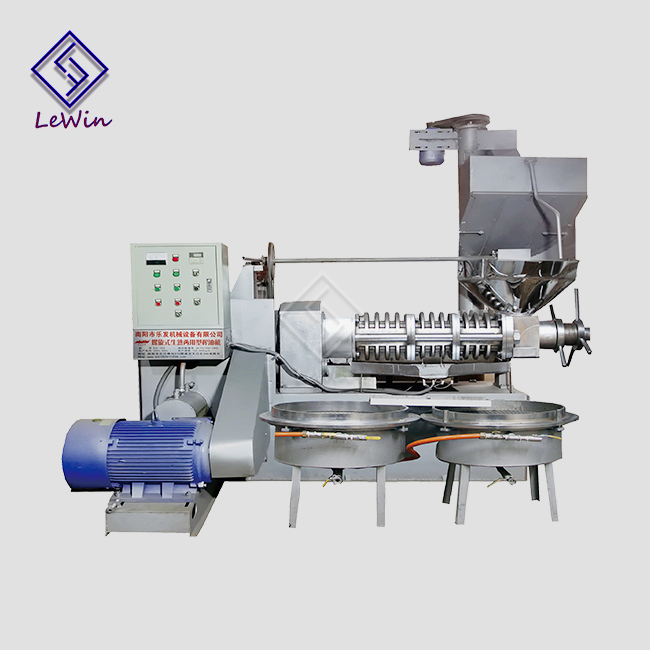
When your 6YL-290 screw oil presse machine isn't delivering the expected oil volume, the issue typically stems from mechanical misalignment, improper seed preparation, or inadequate operational parameters. Addressing low oil output requires a systematic approach examining screw shaft condition, seed moisture content (ideally 5-10%), and pressing chamber temperature settings. The 6YL-290 edible oil extractor, with its 600-1200kg/h processing capacity and 45kW power rating, demands precise calibration across its four-stage pressing system to maintain optimal extraction rates and oil purity. Understanding these core factors allows operators to restore peak performance quickly.
Understanding the Low Oil Output Problem on 6YL-290
Defining Low Yield and Its Business Impact
If your oil output is low, it means that your extraction rate is below what the maker says is normal for that type of seed. For most crops, the 6YL-290 screw oil presser should keep the cake's oil level below 6.5% when it's working normally. When output goes down, you're basically paying for the raw materials twice: once when you buy them and again when you throw away cake that could have been sold and could have brought in money.
The effects on money spread out quickly. A 10% drop in the oil yield from sunflower seeds can mean monthly losses of thousands of dollars for a medium-sized business that works two shifts every day. Schedules for production are thrown off, customer promises are hard to keep, and equipment that should make money turns into a liability. We've seen small oil mills almost go out of business because extraction problems that weren't fixed for months kept using up their working capital.
Common Symptoms Operators Report
One common danger sign is oil flow that changes from batch to batch, even when the seeds are the same. Operators notice that the oil stream is getting smaller or stopping and starting instead of staying at a steady pressure. The pressed cake might feel oily or crumble too much instead of making firm, dry sheets that can be used for soil or animal feed.
The pressing chamber's temperature readings often don't fall within the regular ranges. They are either too cool (below 80°C for hot pressing) or too hot (above 120°C, which could cause the oil to turn dark). Unusual noises, changes in the amount of current drawn by the motor, or changes in the sound of the screw rotating all point to possible technical problems that are making extraction less effective.
Root Causes Behind Yield Reduction
Most of the time, mechanical wear is to blame. There is a lot of friction and pressure on the pressing screw and chamber rings. Even though the 6YL-290 screw oil presser's Cr12 alloy steel parts have been hardened to HRC58–62, processing 150–300 tons slowly creates wear patterns that change the compression profile needed for effective extraction.
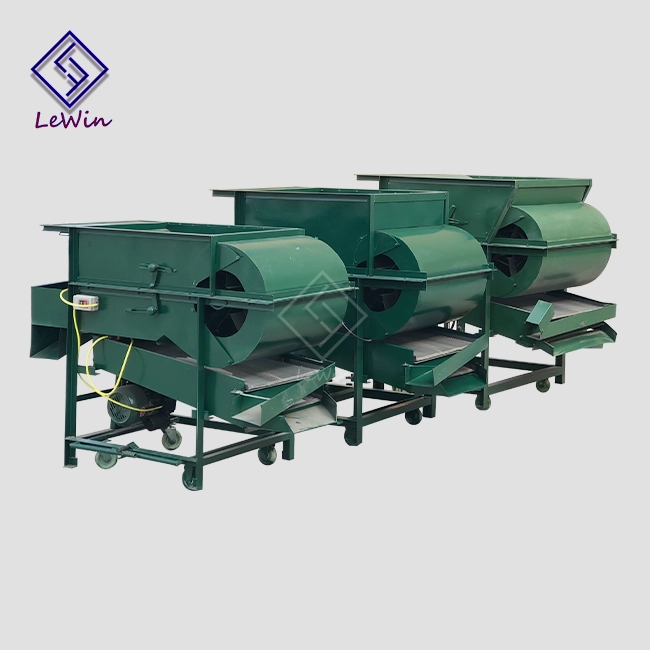
Problems with both the quality of the seeds and how they are prepared lead to large losses in yield. If the moisture level of the raw materials is higher than or equal to 5–10%, they don't create enough friction in the pressing chamber. When seeds are over-roasted, they become too hard, and when seeds are under-roasted, they don't get enough heat to release their oil. When stones, metal fragments, or too much hull material get into the screw, they destroy its mechanical advantage and can do a lot of damage.
When you try to process different types of seeds without changing the settings, operational parameter mismatches often happen. The 6YL-290 screw oil presser can handle a wide range of materials, from large nuts and seeds like coconut and walnut to smaller ones like perilla and safflower. However, each type needs its own screw speed, feed rate, and temperature profile. If you run castor seeds with settings that are best for rapeseed, you will get poor results.
Step-by-Step Troubleshooting Guide
Mechanical Component Inspection
Start every diagnostic session by locking out and turning off everything. When working with tools that have 45kW motors and huge mechanical forces, safety must always come first. Once everything is in place, take off the panels that let you reach the pressing room to look at the screw shaft and compression rings.
Watch for wear patterns that aren't even on the screw steps. Asymmetric wear means that the screw shaft and chamber are not lined up correctly. This is usually caused by worn bearings or bad assembly after repair. The flights should have pretty even surface contact all the way across their width. Scores or deep grooves in the surface of your seeds indicate that they are contaminated with rough materials that need to be cleaned better upstream.
Check the pushing rings for chips, cracks, or too much space between them and the screw flights. The small space between these parts makes the cutting action that is needed to break down the structure of the seed and release the oil. When gaps go beyond what is allowed—usually by 0.3 mm to 1.0 mm or more—the efficiency of extraction drops sharply. Using feeler gauges to measure these clearances gives you objective data that you can use to decide what to replace.
Make sure that the bearing parts are well oiled and that they can turn freely. When bearings get worn out, the shaft gets out of alignment, which causes problems with compression all over the pressing chamber. The gearbox that connects the motor to the screw shaft should work easily and not make any strange noises or get too hot, which are signs of internal wear or a lack of grease.
Operational Parameter Optimization
The most manageable factor that affects oil yield is how the seeds are prepared. Use a reliable moisture meter to check the amount of wetness present. When materials arrive too wet, they need to be dried to get them to the ideal 5–10% range. On the other hand, controlled misting can help over-dried seeds get just the right amount of wetness to help them form a cake and reduce dust production.
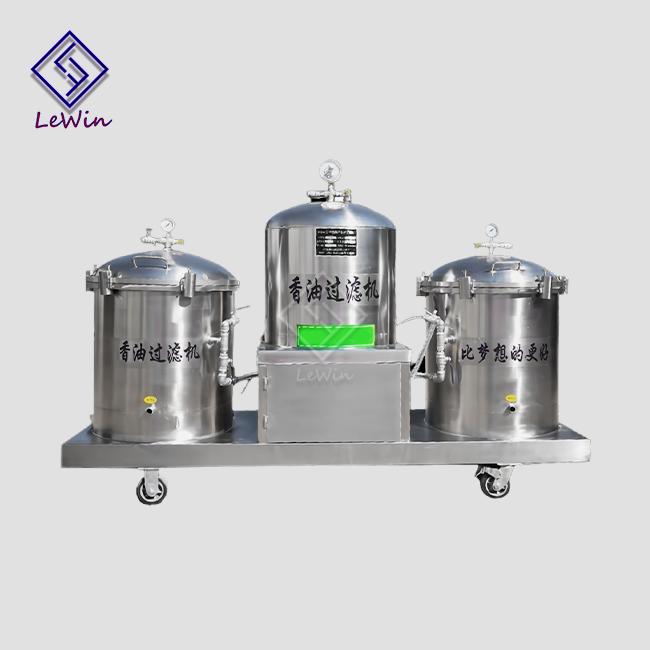
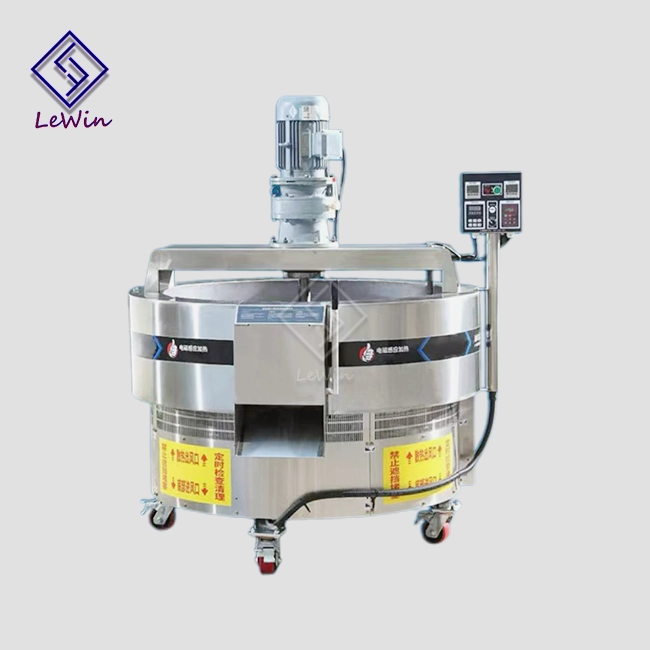
For each type of seed, the roasting or heating process needs to be adjusted. We've seen users get 15-20% higher yields by just changing the temperature and length of time for pre-heating. Peanuts do well when heated to 110–120°C for 15–20 minutes. On the other hand, hemp or perilla seeds do better when heated to 80–90°C for a shorter time. The 6YL-290 screw oil presser's vacuum filter system makes oil that is very clear, but it can't make up for feedstock that wasn't prepared properly.
When working with different materials, change the screw speed in a planned way. Start with the setting that the manufacturer suggests for your type of seed, and then make small changes while keeping an eye on the oil flow and cake characteristics. When the speed is just right, the cake comes out in sheets or pieces that are hard, whole, and have very little oil left over. If the cake falls apart too easily or feels greasy, it means that the parameters are not right.
Feed rate needs to be watched all the time, especially when switching between types of seeds. The automatic filler helps keep things consistent, but workers must keep an eye on the chamber's fill level to make sure the animals don't get too much food or not enough. The material should keep coming in without building up too much at the feed throat, and it should stay in a steady flow through all four stages of pressing.
Maintenance Protocols That Prevent Yield Loss
Set up a written repair plan that is based on the amount of work being done instead of just calendar dates. Check the wear surfaces and gaps carefully every 50 tons of material that is handled. This volume-based method takes into account the fact that operating intensity can vary between sites and seed types.
Keep detailed records that connect maintenance tasks to measures of performance. When you change the screw flights or pressing rings, write down how much more oil you get in later production runs. This information helps figure out the best time to replace something and makes the case for replacing parts before they break completely.
The 6YL-290 screw oil presser's extra pressing feature lets high-oil cakes be reprocessed to get the most out of their recovery. Adding this feature to your normal process will help you get the extra 2 to 5 percent of oil that single-pass pressing leaves behind. This second extraction makes the general economy a lot better for high-value materials like walnut, almond, or sacha inchi.
Procurement & Support: Ensuring Smooth Purchasing and After-Sales Experience
Selecting the Right Manufacturing Partner
Working directly with makers cuts out the middleman and gives you access to engineering advice during the planning, delivery, and use of the product. We have been working with clients for 28 years and have learned that the best way to build a relationship with them is to fully understand their needs. This means knowing the types of seeds they use, how much they need to be processed, how much room they have, and how they get power before suggesting equipment setups for the 6YL-290 screw oil presser.
Clear pricing should include more than just the base cost of the machine. It should also take into account shipping costs, installation services if needed, and reasonable budgets for spare parts. We give detailed quotes that break these things down, which helps procurement teams make accurate total cost of ownership estimates that help them make better choices about where to put their money.
Each market has its own set of rules for quality and certification. Manufacturers who offer food-grade material certificates and compliance paperwork for safety and sanitation laws help processors who serve customers in North America and Europe. The 6YL-290 screw oil presser is designed to meet GB/T 9793-2013 standards, and it can also get other approvals to meet import rules or customer needs.
After-Sales Service and Parts Availability
Technical support that is quick to respond keeps small problems from turning into crises that stop production. We keep our tech teams available by email, phone, and video chat so that problems can be fixed from afar when possible. This instant access cuts down on downtime and lets workers put ideas into action without having to wait for service technicians to come to the site.
How long equipment is down for repairs depends on how easy it is to get replacement parts. Important wear parts like screw flights, pressing rings, and seals should be kept in stock in the United States or be able to be quickly shipped to other countries.
The terms of the warranty show that the maker is confident in the longevity and design quality of the equipment. Full coverage should protect important parts like motors, gearboxes, and structural elements for a reasonable amount of time, usually between 12 months. Knowing what the guarantee covers and, just as importantly, what it doesn't cover helps you set reasonable goals and make sure your upkeep budget is right.
Conclusion
To fix the 6YL-290 screw oil presser's low oil output, you need to carefully check its mechanical condition, the quality of the seeds you use, and the settings for its operational parameters. The four-stage pressing design, strong Cr12 alloy steel construction, and built-in vacuum filtration system of the machine make it work exceptionally well when properly kept and used according to the instructions. Taking care of yield problems right away will protect your investment and keep your business profitable, which is important for oil processing businesses that want to stay competitive. Regular mechanical checks, repair schedules based on output, and careful seed preparation are what keep the machine running at a high level across the 600–1200 kg/h working range.
FAQs
What routine practices maintain optimal oil output on the 6YL-290?
Cleaning the feed hopper and pressing chamber every day keeps material from building up and making compression less effective. Once a week, check the oil amount in the reservoir and the lubrication of the bearings to make sure that the moving parts work easily and without too much friction. At the start of each production shift, compare the temperature readings from the pressing box to the requirements for your seeds on the 6YL-290 screw oil presser.
Can the 6YL-290 handle different oilseeds without modifications?
A lot of different seeds can be processed by commercial oil extraction machine, such as sesame, peanut, sunflower, walnut, macadamia, hemp seed, coconut, flaxseed, rapeseed, and many others. Different materials need different changes to the screw speed, feed rate, and temperature, but the hardware doesn't need to be changed. When switching between types of seeds, make sure the pressing chamber is completely clean to avoid cross-contamination.
How quickly do yield improvements appear after troubleshooting?
When mechanical problems are fixed, like by changing the distance between screws and rings or replacing old parts, the effects are usually seen right away in the first production batch. It might take two or three processing runs to find the best operational parameter settings while you watch how the cake behaves and the oil flows. When properly treated material goes into the pressing chamber, improvements in seed preparation show benefits.
Partner with Lewin for Reliable 6YL-290 Screw Oil Presser Solutions
To make your oil extraction business as profitable as possible, you need reliable equipment and support. Lewin is a 6YL-290 screw oil presser supplier that has been making high-quality edible oil extractors for 28 years. They offer cutting-edge technology and a wide range of services, such as custom machinery design, engineer guidance, overseas installation, production line planning, and dedicated after-sales support. Our professional technical team makes sure that your equipment works at its best from the time it is first set up until years of steady production have passed.
We know what problems oil makers face, like keeping quality standards high and keeping costs low. Contacting us today starts a talk about how our commercial oil extraction machine can meet your individual processing needs, whether you're working with specialty nuts that need very pure oil or high-volume operations that need a continuous 1200 kg/h capacity. Visit lewinmachine.com or email our team at lewinoilpresser@gmail.com to talk about your needs, get full specs, and find out why top processors around the world rely on Lewin tools to power their success.
References
- Smith, J. & Williams, R. (2021). Industrial Oil Extraction: Principles and Practices for Screw Press Operation. Food Processing Technology Publishers, Chicago.
- Chen, L. (2020). "Optimization of Processing Parameters in Multi-Stage Screw Oil Presses." Journal of Agricultural Engineering Research, 156(4), 445-458.
- Thompson, K. (2022). Maintenance Strategies for Oil Milling Equipment: Maximizing Uptime and Yield. Industrial Press Inc., New York.
- Anderson, M. & Kumar, S. (2019). "Comparative Analysis of Oil Extraction Technologies for Small and Medium Enterprises." International Journal of Food Science and Technology, 54(8), 2634-2645.
- Roberts, D. (2023). Oilseed Processing: From Farm to Consumer. Woodhead Publishing Series in Food Science, Cambridge.
- Martinez, P. & Zhang, W. (2020). "Mechanical Wear Patterns in Continuous Screw Press Systems: Predictive Maintenance Approaches." Tribology International, 148, 106-119.
Learn about our latest products and discounts through SMS or email