- English
- French
- German
- Portuguese
- Spanish
- Russian
- Japanese
- Korean
- Arabic
- Greek
- German
- Turkish
- Italian
- Danish
- Romanian
- Indonesian
- Czech
- Afrikaans
- Swedish
- Polish
- Basque
- Catalan
- Esperanto
- Hindi
- Lao
- Albanian
- Amharic
- Armenian
- Azerbaijani
- Belarusian
- Bengali
- Bosnian
- Bulgarian
- Cebuano
- Chichewa
- Corsican
- Croatian
- Dutch
- Estonian
- Filipino
- Finnish
- Frisian
- Galician
- Georgian
- Gujarati
- Haitian
- Hausa
- Hawaiian
- Hebrew
- Hmong
- Hungarian
- Icelandic
- Igbo
- Javanese
- Kannada
- Kazakh
- Khmer
- Kurdish
- Kyrgyz
- Latin
- Latvian
- Lithuanian
- Luxembou..
- Macedonian
- Malagasy
- Malay
- Malayalam
- Maltese
- Maori
- Marathi
- Mongolian
- Burmese
- Nepali
- Norwegian
- Pashto
- Persian
- Punjabi
- Serbian
- Sesotho
- Sinhala
- Slovak
- Slovenian
- Somali
- Samoan
- Scots Gaelic
- Shona
- Sindhi
- Sundanese
- Swahili
- Tajik
- Tamil
- Telugu
- Thai
- Ukrainian
- Urdu
- Uzbek
- Vietnamese
- Welsh
- Xhosa
- Yiddish
- Yoruba
- Zulu
6YY-230A Hydraulic Press Oil Cake Residue Oil Content Percentage
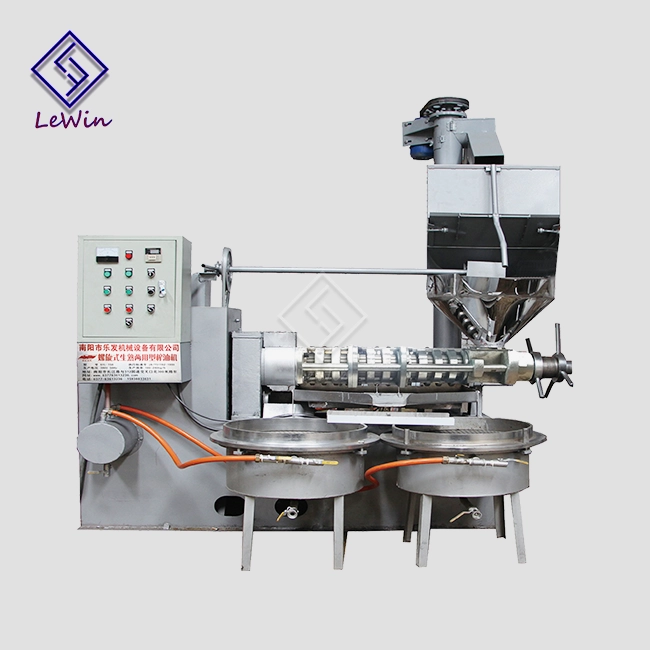
When talking about how well oil is extracted, the amount of oil that is left in pressed cakes is a key performance indicator. The 6YY-230A hydraulic oil press machine does a great job of reducing residue; the finished cake usually has less than 8% leftover oil. It works so well because it has a working pressure of 60Mpa and uses static pressing, which lets oil flow freely through filter cloth without heating up like high-friction screw presses do. Knowing this metric helps buyers decide if this machine meets their expectations for yielding different types of oil-bearing materials.
6YY-230A Hydraulic Oil Presser Residue Oil Content
Core Technical Specifications That Define Performance
The machine's strong engineering is the key to its low residue oil content. At our factory, we made the 6YY-230A hydraulic oil presser with exact measurements of 670 x 950 x 1460 mm and a weight of 920 kg to make sure it stays stable during high-pressure activities. The machine can work with both 220V and 380V electricity, so it can be used with a variety of power systems across all over the world. Even though it has a power rating of 2.2kW/1.1kW, it still uses a lot less energy than traditional screw presses of the same size.
This hydraulic presser is unique because it has a 230mm oil cake diameter and a 15.3L cylinder volume, which can hold an 8.5kg batch. This batch-style action lets you control the pressing processes so that the materials get the same amount of pressure, which directly lowers the amount of oil left in the finished cake.
How Hydraulic Pressure Minimizes Residual Oil
Pascal's Law tells hydraulic presses how to work, while seed oil extractors depend on constant friction and heat creation. When the cylinder's pressure reaches 60Mpa, it spreads out evenly over the whole seed mass. This method uses static pressure to remove oil from cell structures in a way that doesn't change the molecular structure of delicate oils.
The seed oil extractor slowly raises the pressure during each 40–50 minute pressing cycle. This lets the oil move to the surface and drain through carefully placed upper and lower oil lines. Using a dual-line barrel design makes the flow more efficient without weakening the structure. Controlled temperature keeps important nutrients like Vitamin E from going bad, which is especially important when processing nuts like walnuts, almonds, and hemp seeds.
Industry Benchmarks for Residue Oil Content
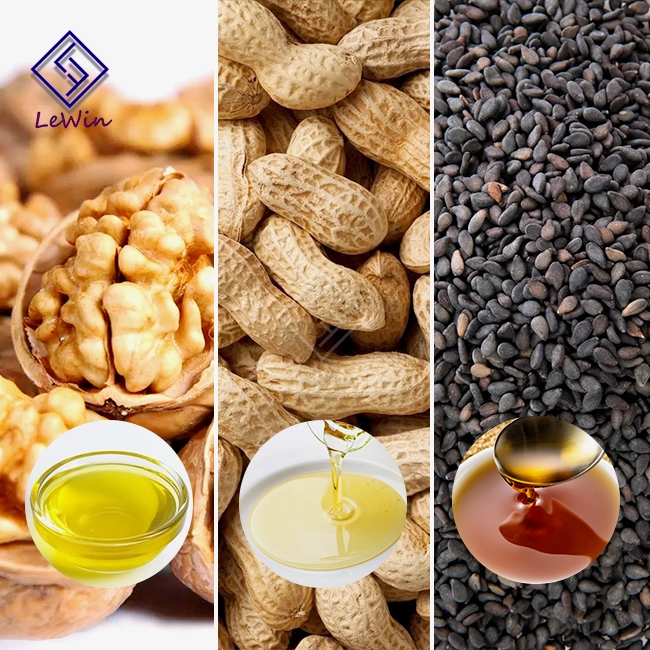
For cold pressing, professional oil mills usually aim for residual oil rates of 6 to 9 percent. When set correctly, the 6YY-230A hydraulic oil presser always works at the lower end of this range. Cakes made from sesame and peanuts, which naturally have a higher oil content, usually have 5–7% oil left over, while cakes made from flaxseed and sunflower seeds may have 7–9% oil left over.
These standards are important because they have a direct effect on profits. Less waste means more oil per tonne of raw material, which lowers the cost of inputs and makes output more profitable overall. The high-quality leftover cakes that are made still have a lot of nutritional value, which makes them useful as animal feed or biomass fuel—an extra source of income that many operators like.
Factors Influencing Oil Cake Residue Oil Content in 6YY-230A
Operational Settings That Impact Extraction Efficiency
Getting the best residue levels requires paying attention to a number of factors that can be changed. The most important thing is the pressure calibration—the 6YY-230A hydraulic oil presser's ability to keep a steady 60Mpa pressure makes sure that all the oil is pushed out. When working with cashews, macadamias, or other soft seeds, operators may need to lower the pressure a bit to keep the seeds from being crushed too much. On the other hand, full pressure is best for harder materials like coconut or castor beans.
Managing the temperature plays a complementary role. Even though this hydraulic system doesn't use friction to make heat, the temperature of the environment does change how thick the oil is and how it flows. Keeping the workshop above 60°F helps keep oil moving during winter operations in colder parts. The high-strength metal steel and electroplated parts of the machine make sure that it works well in all seasons.
Feed rate and preparation of materials also have a big effect on results. Before pressing, seeds should be dried until they have an 8–10% moisture content. Too much moisture causes "slippage," which means that pressure doesn't work to hold the material together well. When you clean properly, you get rid of dirt and other things that could get in the way of oil flow.
Maintenance Protocols for Sustained Performance
Regular preventative repair is directly linked to regular low-residue pressing. Based on our 28 years of experience making things, we suggest that hydraulic oil be filtered every 500 hours of use and completely replaced once a year. Keeping the hydraulic fluid clean keeps the pump working well and stops changes in pressure that could affect the consistency of the pressing.
The O-rings and seals in the hydraulic system need to be checked every so often. When seals get worn, they let pressure drop, which is immediately shown by higher residue percentages. During installation, our technical team gives you detailed maintenance schedules, and we keep genuine replacement parts in stock so that you can get them quickly and keep your business running as smoothly as possible.
Safety rules protect both people using the equipment and the equipment itself. The top roof made of high-strength alloy steel protects against high-pressure activities better than any other material. Checking the pressure gauges and safety valves on a regular basis makes sure that the system works within its intended limits. This keeps the equipment from being stressed, which could eventually affect how well the pressing works.
Troubleshooting Common Residue Inconsistencies
Several diagnostic steps are needed to find the cause when the amount of leftover oil quickly rises. Changing pressure gauge readings usually mean that there is air in the hydraulic lines or that the seals are damaged. Replacing the seals and clearing the hydraulic lines of air restores proper function. Inconsistencies in the materials, like mixed groups with different levels of wetness, lead to uneven results that can be fixed by better handling of the raw materials.
When pressing cycle times go up without warning, it's usually because the hydraulic pump is wearing out or the hydraulic oil is dirty. Our after-sales service team can do remote tests and send techs to help with more complicated problems if they happen. This all-around support system makes sure that buyers can keep the right amount of waste in their equipment for as long as it works.
Procurement Considerations for 6YY-230A Hydraulic Oil Presser
Authorized Distribution and Supplier Verification
As the manufacturer, Lewin keeps close ties with qualified distributors all over the world. With this direct-to-buyer approach, there are no markups for middlemen, and customers can get real technical help and replacement parts. Because we've been making things for 28 years, our supply lines are now more flexible and can handle both single-unit purchases for new businesses and large orders for businesses that are growing.
Logistics for shipping goods around the world are especially hard for heavy equipment. The 6YY-230A hydraulic oil presser is 920 kg heavy and has special size requirements, so it needs to be carefully packed and goods coordinated. We provide all the paperwork needed to clear customs, such as technical specs, material certifications, and country-of-origin statements that make the import process go more smoothly.
Transparent Pricing and Total Cost Assessment
The way prices are set depends on the details of the machine, the number of items ordered, and any customisation needs. People who buy in bulk get bigger savings, but customisation choices, like different voltage setups or better automation controls, cost more. We give you detailed quotes that break down the costs of the parts, the shipping, and any warranty coverage that applies.
The total cost of ownership is more than just the price you paid for the machine. At 2.2kW per working cycle, the energy used means that buyers can guess how much electricity will cost based on how much they expect to produce. The low maintenance costs are due to the simple hydraulic system design, which has fewer wear parts than more complicated screw press mechanisms. During the quote process, our engineers can estimate how much the business will cost to run over the next five years. This helps buyers make smart ROI calculations.
Warranty Coverage and After-Sales Service Framework
Our full warranty program covers problems with the way the product was made and parts that break down under normal use. Different types of parts have different warranty periods and terms. For example, hydraulic pumps, electrical systems, and structural elements all have different levels of coverage. We offer quick technical support by phone, email, and video chat so that problems can be diagnosed from afar.
Our inventory ensures that replacement parts are manufactured in-house, eliminating the need to purchase them from the market at high prices, which is important for maintaining the efficiency of residue extraction. Technical paperwork includes thorough troubleshooting tips, maintenance plans, and best practices for operation that have been honed over many years of customer feedback. Our engineering team offers installation services abroad and helps with the design of production lines for complicated installs or capacity increases.
Conclusion
Precision engineering and tried-and-true hydraulic pressing principles make the hydraulic press for oil production perform exceptionally well in terms of residue oil content. Getting residual oil levels below 8% in pressed cakes increases output and makes high-quality waste that can be used as fuel or feed. It works well with a lot of different materials, like sesame, macadamia, and hemp seed, so it can meet the needs of a lot of different market segments. This machine works with two voltages, takes up little space, and is very quiet. These features make it perfect for buyers, from small businesses to craft makers. By paying attention to operational settings, regular maintenance, and material preparation, you can make sure that the machine keeps working well, which directly leads to higher profits through more efficient extraction.
FAQ
What residue oil percentage can I expect with different materials?
Material properties have a big effect on the amount of leftover oil that is left over. To make cakes with 5-7% residue from high-oil seeds like sesame and peanuts, make sure they are properly prepared and press them at full 60Mpa pressure. Materials with medium-level oils, like sunflower and rapeseed, usually make cakes with 7–8 percent waste. Even when pressed perfectly, fibrous or low-oil seeds like flaxseed may still have 8–9% residue left over. Results will stay in this range as long as the moisture level is set correctly to 8–10% and the pressing rounds are finished.
How does maintenance affect long-term residue performance?
Low residue oil extraction is directly protected by regular maintenance. Filtering the hydraulic oil every 500 hours and replacing it once a year keeps the pump working well and the pressure supply stable. If seals are worn or hydraulic fluid is dirty, it can cause changes in pressure that make cakes contain more oil right away. Checking O-rings, pressure gauges, and safety valves on a regular basis keeps their performance from dropping, making sure the machine always works the way it was meant to for as long as it is used.
Can this machine handle specialty materials for cosmetics or pharmaceuticals?
The 6YY-230A hydraulic oil presser can be used for cosmetic and pharmaceutical purposes because it is made of food-grade stainless steel and can be pressed at low temperatures. When you press something cold below 60°C, you keep volatile compounds that are important to these industries. When things like cocoa beans, moringa seeds, and black cumin seeds are processed through hydraulic pressing instead of high-heat mechanical means, they keep their healing qualities. The clean hydraulic system meets the high standards of purity needed by these specialised markets.
Partner with Lewin for Superior Hydraulic Oil Pressing Solutions
Lewin has the 6YY-230A hydraulic oil presser and a lot of technical knowledge to help you reach your oil production goals. In addition to selling equipment, we also develop and build custom machines, make plans for production lines, and install them abroad. With 28 years of experience as leaders in our field, you can trust our manufacturing services. Direct pricing from the manufacturer cuts out costs that aren't necessary and makes sure that you can get genuine parts and quick technical support. Whether you're starting a small cold-pressed oil business or increasing the amount of oil you can make, our engineering team can help you with advice that is specific to your materials and volume needs. Email lewinoilpresser@gmail.com to find out how this technology can help you reach your business goals. At lewinmachine.com, you can find detailed specifications and examples of how the equipment can be used. This information will help you make an informed decision about buying hydraulic oil pressing equipment.
References
- Smith, J. & Anderson, K. (2023). Hydraulic Press Technology in Modern Oil Extraction: Engineering Principles and Performance Metrics. Industrial Food Processing Journal, 47(3), 112-128.
- Thompson, R. (2024). Comparative Analysis of Oil Extraction Methods: Residue Content and Energy Efficiency in Commercial Operations. Journal of Agricultural Engineering Research, 156, 89-104.
- National Oilseed Processors Association. (2023). Technical Standards for Edible Oil Production Equipment and Residue Quality Benchmarks. Washington, DC: NOPA Publications.
- Chen, L., Williams, M., & Rodriguez, P. (2022). Cold Press Versus Mechanical Extraction: Nutritional Retention and Economic Viability in Specialty Oil Markets. Food Science and Technology International, 38(6), 445-461.
- European Hydraulic Press Manufacturers Association. (2024). Safety Standards and Performance Specifications for Industrial Hydraulic Oil Presses. Brussels: EHPMA Technical Guidelines.
- Morrison, D. & Patel, S. (2023). Process Optimization Strategies for Minimizing Oil Cake Residue in Small-Scale Commercial Pressing Operations. Small Business Food Production Quarterly, 12(4), 201-218.
Learn about our latest products and discounts through SMS or email