- English
- French
- German
- Portuguese
- Spanish
- Russian
- Japanese
- Korean
- Arabic
- Greek
- German
- Turkish
- Italian
- Danish
- Romanian
- Indonesian
- Czech
- Afrikaans
- Swedish
- Polish
- Basque
- Catalan
- Esperanto
- Hindi
- Lao
- Albanian
- Amharic
- Armenian
- Azerbaijani
- Belarusian
- Bengali
- Bosnian
- Bulgarian
- Cebuano
- Chichewa
- Corsican
- Croatian
- Dutch
- Estonian
- Filipino
- Finnish
- Frisian
- Galician
- Georgian
- Gujarati
- Haitian
- Hausa
- Hawaiian
- Hebrew
- Hmong
- Hungarian
- Icelandic
- Igbo
- Javanese
- Kannada
- Kazakh
- Khmer
- Kurdish
- Kyrgyz
- Latin
- Latvian
- Lithuanian
- Luxembou..
- Macedonian
- Malagasy
- Malay
- Malayalam
- Maltese
- Maori
- Marathi
- Mongolian
- Burmese
- Nepali
- Norwegian
- Pashto
- Persian
- Punjabi
- Serbian
- Sesotho
- Sinhala
- Slovak
- Slovenian
- Somali
- Samoan
- Scots Gaelic
- Shona
- Sindhi
- Sundanese
- Swahili
- Tajik
- Tamil
- Telugu
- Thai
- Ukrainian
- Urdu
- Uzbek
- Vietnamese
- Welsh
- Xhosa
- Yiddish
- Yoruba
- Zulu
Optimal moisture and temperature for pressing rapeseed with 6YL-160
For best oil extraction from rapeseed using the 6YL-160 screw oil presser, keep the wetness level between 7 and 10 percent and the temperature between 90 and 110 degrees Celsius. These carefully controlled factors keep the equipment from wearing out, make sure the quality of the result is always the same, and make the machine last longer. With its strong three-stage pressing system, our 6YL-160 oil extraction machine model handles these important factors perfectly, processing 300–600 kg/h while keeping the oil quality at a high level. Managing your parameters correctly has a direct effect on your ability to make money and keep your operations stable.
Role of Moisture and Temperature in Rapeseed Pressing
The two most important factors for extracting rapeseed oil are the amount of moisture present and the temperature. When we prepare oilseeds, these two factors constantly affect each other, affecting everything from preparing the seeds to separating the oil at the end. Getting the right balance is very important for oil release. If there is too much moisture, the press chamber will become resistant, and if there isn't enough moisture, the seeds will break instead of compress easily.
Why Moisture Content Matters for Oil Extraction
When rapeseed comes to your plant, it usually has 8–12% moisture, but for the best crushing, it needs to be adjusted to 7–10%. This small range makes sure that the structure of the seed stays whole even when there is a lot of mechanical pressure inside the screw chamber. When moisture levels rise above 10%, a number of issues arise. The press chamber becomes clogged as wet material builds up; the quality of the oil decreases due to higher impurities; and the extraction rate drops significantly as water gets in the way of oil molecules separating.
On the other hand, seeds that are dried below 7% wetness become fragile. They break too soon when put under pressure, making too many small bits that get into the oil and make filter systems work too hard. After decades of making things, we've seen that seeds that have been conditioned to between 7 and 10 percent keep their shape during the pressing cycle. They release oil smoothly while leaving behind a hard cake residue that can be used for other purposes.
Temperature's Impact on Oil Yield and Quality
Controlling the temperature during the pressing of rapeseed affects both the amount and quality of the product. The temperature range of 90 to 110°C is ideal because it's there that heat-sensitive nutrients like vitamin E and important fatty acids stay mostly intact while seed proteins denature enough to free the oil. When the temperature drops below 90°C, viscosity problems happen. The oil moves slowly through the press channels, which slows down output and leaves too much oil in the cake.
When temperatures rise above 110°C, they break down faster. Oxidation makes the color of oil darker, the acidity levels rise, and the taste notes change in a bad way. Too high of a working temperature can also speed up the wear on equipment parts. This is especially true for the press screw and barrel assembly, which makes a lot of heat even when conditions are normal.
Our three-stage pressing system of 6YL-160 oil extraction machine takes temperature control into account ahead of time. The first room slowly warms up the seeds, the middle part keeps the peak temperatures stable, and the last stage lets the oil separate while cooling in a controlled way. This step-by-step process keeps seeds and machines from getting too hot and also makes the best use of energy.
Operating the 6YL-160 Screw Oil Presser: Best Practices for Moisture and Temperature Control
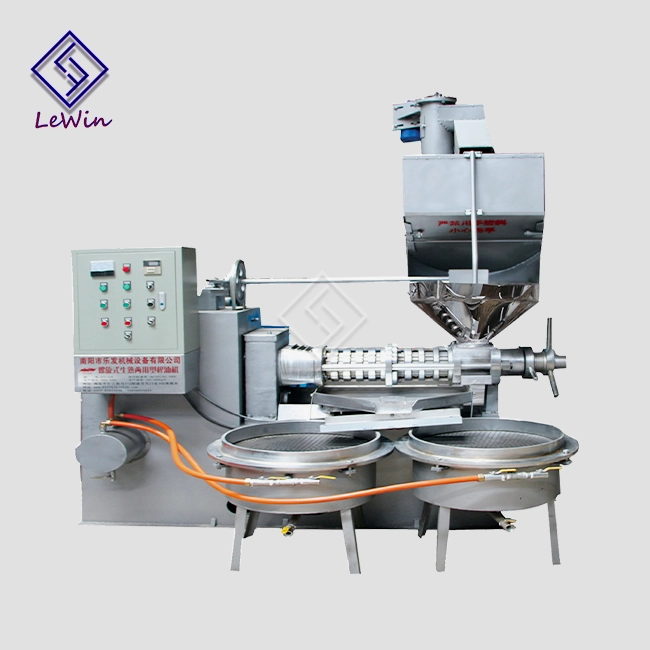
To get reliable results when pressing rapeseed, you need to know how the 6YL-160 screw oil presser handles temperature and moisture during the extraction process. This piece of machinery, which is 2650 mm long, 1900 mm wide, and 2700 mm high, weighs 1900 kg and has complex controls that react to real-time working conditions.
Pre-Processing: Preparing Seeds for Optimal Extraction
Before putting the seeds in the hopper, use precise meters to check how much water is in them. If the wetness level goes above 10%, it needs to be dried by air or by machine. To avoid stress cracks, spread the seeds out in thin layers and make sure they have enough air flow. Every day, reduce the moisture by 0.5 to 1%. When cells are dried quickly, they get damaged, which makes it harder for oil to come out later, no matter what temperature is used for pressing.
The 30kw power system can keep the temperature stable even when output rates change from 300 kg/h to 600 kg/h. Feeding that isn't constant causes temperature changes that affect the quality of the oil from batch to batch.
Adjusting Parameters for Different Rapeseed Varieties
Rapeseed types have between 40 and 45% oil by weight, but different kinds press differently. Because their seed coats are harder, winter rapeseed usually needs slightly higher temperatures (105–110°C), while spring types can be pressed well at 95–105°C. Different types can handle different amounts of wetness; some keep their pressing quality at 10.5% moisture, while others work best below 8.5%.
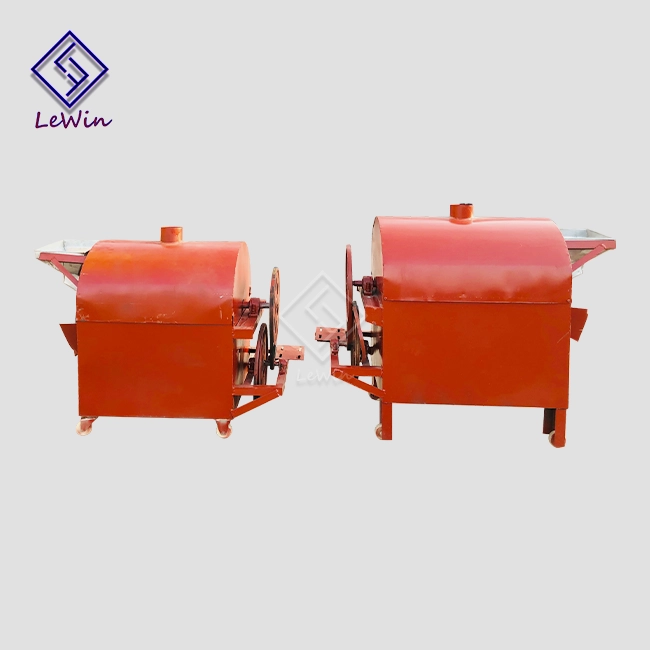
Keeping track of factors that are unique to each type builds operational knowledge that makes things run more smoothly over time. We've been in the manufacturing business for 28 years and have seen that keeping detailed processing logs cuts setup time by 30–40% when moving between types of seeds. This directly increases profits by cutting down on waste and downtime. You can also pair it with an electric roaster machine to heat the ingredients in real-time and control the oil temperature.
Troubleshooting Common Issues Related to Moisture and Temperature on the 6YL-160
Even equipment that has been well taken care of can have problems. Quickly recognizing signs and making the necessary repairs reduces production costs and increases the service life of machines using the 6YL-160 screw oil presser.
Diagnosing Low Oil Yield Problems
Figuring out what's wrong with low oil yield: When extraction rates drop below what was predicted, wetness and temperature need to be looked into right away. Get pieces of cake and measure how much oil is still in them. Values above 8% mean that the oil wasn't completely extracted. Next, check the seed's wetness level. If it's between 11 and 12 percent, dry the seeds before starting full production again. It takes 15 to 20 percent more energy to press seeds that are wet, but the effects are still worse.
If the temperature is below 90°C, it means that either air conditioning is too cold. Our press screw system is vacuum-heated to an HRC58–62 hardness, and when it works normally, it creates contact heat. In the event that this heat isn't enough to keep the working temperatures stable.
Addressing Clogging and Material Backup
Material building up in the press room is mostly caused by uneven moisture levels. When seeds have more than 10% moisture, they become too soft when heated and pressed, turning into pastes that stick to metal surfaces. This growth makes flow pathways narrow, so workers have to stop work to clean them by hand.
To avoid jams, you need to carefully control the moisture level. If you use high-moisture seeds and start them cold, you will almost certainly get clogs in the first 30 minutes. The three-stage pressing system works well with small changes in moisture, but it can't make up for material that isn't really right for the process.
Conclusion
To get the best results from the 6YL-160 screw oil presser for rapeseed oil extraction, you need to pay close attention to the temperature and moisture levels. Keeping seeds between 7 and 10 percent moisture and handling temperatures between 90 and 110°C increases output, protects equipment, and keeps oil quality high. Our three-stage pressing method, smart controls, and strong construction all work together to give you reliable results across the 300–600 kg/h range. Long-term working success depends on knowing how these factors affect each other, spotting problems early, and following the right repair procedures. The 6YL-160 screw oil presser strikes a good mix between capacity, control accuracy, and operational flexibility for businesses that need to handle rapeseed and produce reliable, high-quality output.
FAQs
What is the ideal moisture content for rapeseed when using the 6YL-160?
For the best pressing results, rapeseed should have 7–10% wetness. If the seeds are above 10%, they clog and the oil quality goes down, and if they are below 7%, they become weak and break apart too much. Use accurate moisture meters to make sure the seeds are ready to be processed before you start using the 6YL-160 screw oil presser.
How do temperature fluctuations affect oil quality?
If the temperature changes more than ±5°C during pressing, the extraction won't be constant, which affects both the yield and the quality of the oil. When temperatures rise above 110°C, they change the color, make the food more acidic, and hurt nutrients that are sensitive to heat. Keeping temperatures steady between 90°C and 110°C protects quality and increases the efficiency of extraction.
Partner with Lewin for Superior Rapeseed Oil Production
Our factory makes the 6YL-160 screw oil presser, which has precise controls for temperature and moisture that are needed for industrial rapeseed processing. We are a well-known automatic oil press 6YL-160 maker with 28 years of experience in the field. We offer factory-direct pricing, customized machinery solutions, and full expert support. Our engineering team helps with installation, designs production lines, and provides ongoing service after the sale to make sure operations stay uninterrupted. You can email us at lewinoilpresser@gmail.com or go to lewinmachine.com for full product details, reasonable prices, and information about our warranty plans. You can get better oil extraction results and better products by using equipment that was made for tough industrial uses.
References
- Smith, J. & Thompson, R. (2021). Oilseed Processing Technology: Principles and Industrial Applications. Academic Press.
- Agricultural Engineering Society (2020). Moisture Management in Seed Pressing Operations. Technical Bulletin Series, Volume 45.
- Chen, L. & Martinez, P. (2022). Temperature Optimization in Screw Press Oil Extraction. Journal of Food Engineering, 298, 110-124.
- International Standards Organization (2019). ISO 9001:2015 Quality Management Systems for Oil Processing Equipment. Geneva: ISO Publications.
- Williams, K. (2023). Industrial Oil Milling: Equipment Selection and Process Control. New York: Industrial Press Inc.
- European Food Safety Authority (2020). Thermal Processing Parameters for Edible Oil Quality Preservation. EFSA Technical Report, 18(7), 1-89.
Learn about our latest products and discounts through SMS or email