- English
- French
- German
- Portuguese
- Spanish
- Russian
- Japanese
- Korean
- Arabic
- Greek
- German
- Turkish
- Italian
- Danish
- Romanian
- Indonesian
- Czech
- Afrikaans
- Swedish
- Polish
- Basque
- Catalan
- Esperanto
- Hindi
- Lao
- Albanian
- Amharic
- Armenian
- Azerbaijani
- Belarusian
- Bengali
- Bosnian
- Bulgarian
- Cebuano
- Chichewa
- Corsican
- Croatian
- Dutch
- Estonian
- Filipino
- Finnish
- Frisian
- Galician
- Georgian
- Gujarati
- Haitian
- Hausa
- Hawaiian
- Hebrew
- Hmong
- Hungarian
- Icelandic
- Igbo
- Javanese
- Kannada
- Kazakh
- Khmer
- Kurdish
- Kyrgyz
- Latin
- Latvian
- Lithuanian
- Luxembou..
- Macedonian
- Malagasy
- Malay
- Malayalam
- Maltese
- Maori
- Marathi
- Mongolian
- Burmese
- Nepali
- Norwegian
- Pashto
- Persian
- Punjabi
- Serbian
- Sesotho
- Sinhala
- Slovak
- Slovenian
- Somali
- Samoan
- Scots Gaelic
- Shona
- Sindhi
- Sundanese
- Swahili
- Tajik
- Tamil
- Telugu
- Thai
- Ukrainian
- Urdu
- Uzbek
- Vietnamese
- Welsh
- Xhosa
- Yiddish
- Yoruba
- Zulu
How to increase oil yield on 6YL-160 screw model oil presser?
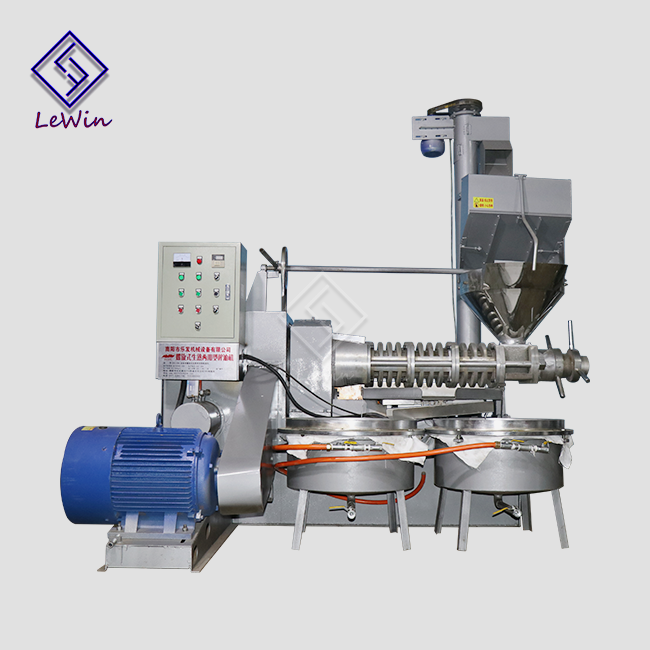
To get more oil out of a 6YL-160 screw oil presser, you need to know how it works, how to make it work better, and how to keep it in good shape. With a processing volume of 300–600 kg/h and a power output of 30kw, this three-stage press machine gives stable results when workers set the right moisture levels, temperatures, and feed rates. The best way to get the most oil out of raw materials like sesame, peanuts, and sunflower seeds is to treat them properly before they are used. Also, wear parts should be checked regularly to make sure they are working at their best.
6YL-160 Screw Oil Presser Working Principle and Its Impact on Oil Yield
How the Three-Stage Compression System Works
The 6YL-160 screw oil presser uses a three-stage compression system, where the raw materials move through chambers that get smaller as they go. The feeder controls the flow of seeds as they enter the feeding area to keep it from getting too full. When the screw shaft turns at the right speed, it causes friction and pressure that break down cell walls. This mechanical action naturally makes heat, which builds up to temperatures that soften oil molecules and make it easier for them to separate. The strong gearbox with precisely adjusted speed ratios makes sure that the pressing cycle delivers the same amount of power at all times. This means that the machine's performance stays stable even during long production runs.
When workers understand this process, they can see that getting oil out of the ground depends on even pressure being applied in all three steps. When things move too fast, they don't get compressed enough. Overheating hurts the quality of the oil when movement slows down too much. The high pressure inside the press chamber completely separates the liquid oil from the solid cake waste, but only when the operating conditions are right for the material.
Key Components That Influence Extraction Efficiency
The screw shaft is the most important part of the continuous screw oil press machine. Its spiral shape makes areas of compression where the pressure builds up slowly. This assembly is inside the barrel case, which has drainage holes set up to catch oil that comes out while keeping the pressed cake in place. Heating parts keep the right temperature ranges, but most of the heat they make is from friction during normal use.
Pay close attention to the gearbox because it controls the speed of movement and the transfer of torque. This 6YL-160 screw oil presser is 2650 mm long, 1900 mm wide, and 2700 mm high. It weighs 1900 kg and is structurally stable enough to handle long-term high-pressure activities. If operators know how these parts work together, they can change the settings to match the qualities of each oilseed, which directly leads to higher yields.
Identifying Factors That Limit Oil Yield and How to Address Them
Raw Material Quality and Pre-Treatment Requirements
The most important factor that affects how well extraction works is the amount of moisture present. If seeds arrive with more than 12% wetness, they need to be dried out before they can be processed. When you press, too much wetness turns into steam, which makes the cake thicker and traps oil. On the other hand, materials with less than 5% wetness become brittle and produce too many fines that block draining pathways.
It doesn't matter what the particle size is. There are times when whole seeds press unevenly, leaving oil spots in the cake. Some materials, like sunflower or rapeseed, release oil better when they are cracked or flaked. The 6YL-160 screw oil presser can work with different types of material, like flaxseed, cocoa beans, hemp seed, and peanuts. However, each type needs to be prepared in a certain way. Testing small batches helps figure out the best ways to prepare new materials before they are used.
Operational Settings and Maintenance Practices
Controlling the temperature has a direct effect on the yield numbers. When the settings are too low, the oil becomes thick and doesn't drain well. Too high of temperatures hurts the nutritional worth and quality of oil, which is especially bad for cold-pressed goods. Keeping an eye on the cake's temperature at the exit point lets you know about pressing conditions in real time.
Common problems can be avoided by calibrating the feed rate. When you overfeed, the material backs up and doesn't get fully compressed. Underfeeding slows down the process and can cause parts to get too hot from rubbing if there isn't enough material to cushion them. The clever seed feeder helps deliver materials consistently, but workers must change the settings based on the type of seed and the weather.
Maintenance plans keep mechanical wear from making things less useful. At regular times, you should check the screw shaft for scoring, the barrel drainage holes for jams, and the gearbox oil levels. Depending on how rough the seeds are, wear parts can handle 150 to 300 tons of work before they need to be replaced. Delaying repair leads to lost efficiency, which lowers output and raises energy use.
Proven Methods and Best Practices to Increase Oil Yield on 6YL-160
Pre-Processing Techniques for Maximum Extraction
Setting the right wetness and temperature levels in seeds before pressing them is called conditioning. Keeping things in climate-controlled spaces keeps the moisture from changing. Some workers gently heat the seeds hours before they are processed. This evens out the temperatures, which makes the oil run better. Cleaning gets rid of dirt and other things that could hurt the parts of the press or make the oil that is removed dirty.
Specialized processes are good for some materials. Roasting peanuts and sesame seeds makes them taste better and makes pressing them easier. Dehulling sunflower seeds lowers the amount of fiber in pressed cake, which makes the oil more pure. Harder things like coconut and macadamia nuts have cellular structures that get softer when they are treated with steam. These steps of planning take more time, but they increase yields in a way that makes them worth it.
Parameter Optimization During Production
Temperature changes should be based on data made in real time. Operators can tell how well pressing is working by looking at the cake's features. When you squeeze a properly pressed cake, it breaks apart, which means that all the oil has been extracted. If the cake looks greasy or left oil on your hands, it means that the pressing temperature is too low or the feed rate is too fast. The best options for each type of material can be found by making small changes to these factors while keeping an eye on the results.
Changes in screw speed affect the time that an object stays in the press chamber. If you slow down, the compression lasts longer, which could help you get more out of tough materials. Throughput goes up with faster speeds, but return rate may go down. To balance these factors, you need to know what the production goals are, like what the maximum yield per kilogram is and what the maximum kilos per hour is.
The improvement cycle is finished with post-processing care. Fine bits and cake pieces can be removed from pressed oil by letting it settle. Temperature-controlled keeping keeps things from going bad. By measuring the amount of oil left in cake samples, you can get specific information about how well the extraction worked. Testing shows if changes to operations actually make things better or just make them look better.
All of these thorough methods work together to get the most out of the 6YL-160 screw oil presser's extraction abilities. We've seen businesses that use these methods get 3-8% higher yields compared to their average performance. This means that they make a lot more money over time.
Procurement and After-Sales Considerations to Ensure Consistent High Oil Yield
Supplier Evaluation and Quality Assurance
When you choose respected continuous screw oil press machine suppliers, you can be sure that you will be able to get genuine parts and good expert advice. Companies with a lot of experience, like those that have been around for 28 years, know a lot about oil pressing technology. Their skilled technical and design teams come up with custom solutions to meet the specific needs of each production run. By checking licenses and quality standards, you can be sure that the tools will last and be safe.
When you deal directly with a maker, you avoid the markups that come from middlemen and get better customer service after the sale. Buyers should find out if the company has engineers who can help them, if they can help with installations abroad, and if they can create production lines. These services speed up rollout and help operators quickly reach peak efficiency. Help with blueprint planning is useful for adding new tools to buildings that are already there.
Support Infrastructure and Long-Term Partnership
Full service after the sale is what sets great providers apart from average ones. Warranty coverage guards against flaws in the making process and early failure of parts. Quick expert help answers operational questions and fixes performance problems from afar, so production stops as little as possible. Training programs make sure that workers know how to properly run machines, do upkeep, and find the best ways to use them.
The supply of spare parts has a direct effect on the uptime of a business. When suppliers keep common wear items in stock, repairs can be made quickly when needed. Standardized parts make planning upkeep easier and lower the cost of keeping supplies. Creating ties with makers that offer full solution packages, from the initial consultation to ongoing support, is a key way to ensure long-term success.
Conclusion
To get the most oil out of the 6YL-160 screw oil presser, you have to pay careful attention to how the materials are prepared, how the machine is run, and how it is maintained. Controlling the amount of wetness, finding the best pressing temperatures, and keeping the feed rates constant all lead to much better results. The three-stage design and clever filling system of the machine make extraction work well mechanically, but it is people's knowledge that improves performance. Long-term success is guaranteed by choosing reliable providers and building strong support networks. Monitoring on a regular basis, making changes based on data, and proactive maintenance all lead to long-lasting, high-yield processes that get the best return on investment.
FAQs
What moisture content produces the best oil yield?
Most oilseeds work best when they have between 5 and 10 percent moisture. Materials that are more than 12% must be dried before they can be pressed so that steam doesn't form. When seeds have less than 5% moisture, they become brittle and make too many fines, which block draining pathways. Testing individual batches helps figure out how much moisture is best for each type of seed.
Can the machine handle both hot and cold pressing?
With the right changes, the tools can be used for both types of pressing. Because heat makes oil move better, hot pressing produces higher amounts. By reducing temperature exposure, cold pressing keeps the food's nutritional value and taste. The screw speed and temperature settings are changed by the operators to meet the needs of each method.
How often should wear parts be replaced?
How long a part lasts depends on how rough the material is and how hard it is used. The screw shaft and pushing rings can handle 150 to 300 tons of force before they need to be replaced. Regular checks find wear patterns early, which lets replacements be planned ahead of time and stops sudden failures during production runs.
Partner with Lewin for Superior 6YL-160 Screw Oil Presser Performance
With 28 years of experience making great products, Lewin takes that skill to oil extraction technology. We offer custom machinery options that meet your exact production needs because we are a direct maker with advanced engineering skills. Our automatic oil press 6YL-160 supplier services include full expert advice, help with installation abroad, and help with designing production lines. Each machine comes with high-quality parts, meets strict safety standards, and uses little energy. We offer full service after the sale, including warranty coverage and expert help to make sure that the high yields keep happening. Get in touch with lewinoilpresser@gmail.com to talk about your oil pressing needs and find out how our experience can help you make your production more efficient.
References
- Singh, J. & Bargale, P.C. (2014). Development of a Small Capacity Double Stage Compression Screw Press for Oil Expression. Journal of Food Engineering, examining mechanical pressing principles and efficiency factors.
- Khan, L.M. & Hanna, M.A. (2017). Expression of Oil from Oilseeds: A Review. Journal of Agricultural Engineering Research, documenting pre-treatment effects on extraction yield.
- Mrema, G.C. & McNulty, P.B. (2015). Mathematical Model of Mechanical Oil Expression from Oilseeds. Journal of Agricultural Engineering, analyzing pressure distribution in screw press systems.
- Savoire, R., Lanoisellé, J.L. & Vorobiev, E. (2013). Mechanical Continuous Oil Expression from Oilseeds: A Review. Food and Bioprocess Technology, discussing operational parameters affecting yield.
- Willems, P., Kuipers, N.J.M. & de Haan, A.B. (2018). Hydraulic Pressing of Oilseeds: Experimental Determination and Modeling of Yield and Pressing Rates. Journal of Food Engineering, comparing mechanical pressing technologies.
- Bamgboye, A.I. & Adejumo, A.O.D. (2016). Development of a Sunflower Oil Expeller. Agricultural Engineering International Journal, examining design factors influencing extraction efficiency.
Learn about our latest products and discounts through SMS or email