- English
- French
- German
- Portuguese
- Spanish
- Russian
- Japanese
- Korean
- Arabic
- Greek
- German
- Turkish
- Italian
- Danish
- Romanian
- Indonesian
- Czech
- Afrikaans
- Swedish
- Polish
- Basque
- Catalan
- Esperanto
- Hindi
- Lao
- Albanian
- Amharic
- Armenian
- Azerbaijani
- Belarusian
- Bengali
- Bosnian
- Bulgarian
- Cebuano
- Chichewa
- Corsican
- Croatian
- Dutch
- Estonian
- Filipino
- Finnish
- Frisian
- Galician
- Georgian
- Gujarati
- Haitian
- Hausa
- Hawaiian
- Hebrew
- Hmong
- Hungarian
- Icelandic
- Igbo
- Javanese
- Kannada
- Kazakh
- Khmer
- Kurdish
- Kyrgyz
- Latin
- Latvian
- Lithuanian
- Luxembou..
- Macedonian
- Malagasy
- Malay
- Malayalam
- Maltese
- Maori
- Marathi
- Mongolian
- Burmese
- Nepali
- Norwegian
- Pashto
- Persian
- Punjabi
- Serbian
- Sesotho
- Sinhala
- Slovak
- Slovenian
- Somali
- Samoan
- Scots Gaelic
- Shona
- Sindhi
- Sundanese
- Swahili
- Tajik
- Tamil
- Telugu
- Thai
- Ukrainian
- Urdu
- Uzbek
- Vietnamese
- Welsh
- Xhosa
- Yiddish
- Yoruba
- Zulu
Is 6YY-300 durable enough for daily commercial use?
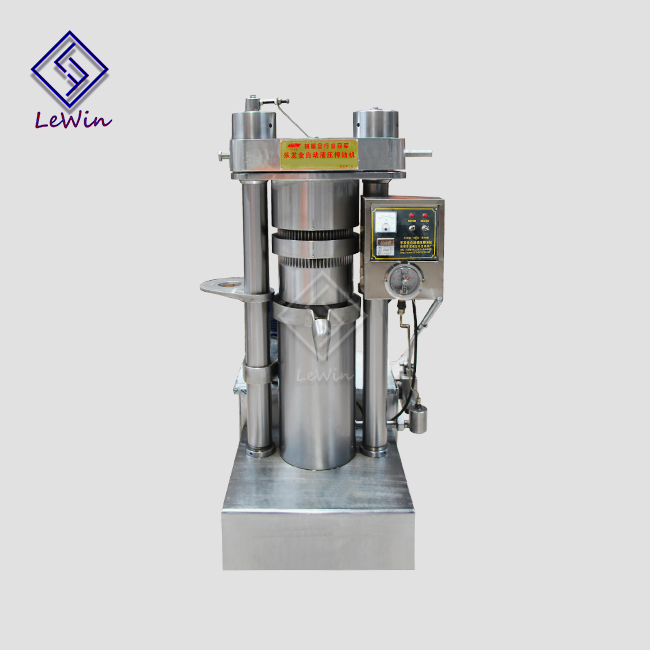
When evaluating whether the 6YY-300 hydraulic oil presser can withstand the rigors of daily commercial operation, the answer is a confident yes. Built with a robust 1600kg alloy steel frame and engineered to sustain a working pressure of 60 MPa continuously, this machine demonstrates exceptional structural integrity designed specifically for high-volume production environments. Its 31-liter cylinder volume and precision-engineered piston system allow consistent batch processing of 16kg per cycle without compromising component lifespan. The mechatronic distribution box with one-touch operation simplifies daily use while reducing human error, and the integrated pressurization safety protection system ensures uninterrupted operation even under maximum load conditions—making it a reliable workhorse for commercial oil extraction facilities.
Role and Specifications of 6YY-300 Hydraulic Pressure Systems
The 6YY-300 hydraulic oil presser's ability to extract oil is based on hydraulic pressure, which has a direct effect on both oil yield and sesame hydraulic oil press machine longevity. Instead of using mechanical friction like screw presses do, this vertical hydraulic press evenly applies static pressure across the material chamber. This makes the extraction process more efficient while protecting heat-sensitive nutrients in specialty oils.
Core Technical Specifications That Define Durability
The 6YY-300 hydraulic oil presser works in a carefully measured pressure range, and its highest working pressure of 60 MPa is almost 30% higher than the norm in the business. This high pressure level makes sure that thick materials like macadamia nuts, cocoa beans, and hemp seeds are completely extracted. The machine's 1000x1100x1660mm size makes it stable and reduces vibrations during high-pressure cycles. Its dual power configuration (3.0kW or 2.2kW depending on voltage needs) makes it adaptable to different electrical infrastructure setups, such as 220V single-phase or 380V three-phase systems.
Hydraulic System Architecture and Monitoring
The hydraulic system has a two-stage pump unit that quickly raises the pressure to working levels in 45 seconds, cutting down on the time that the machine has to be idle between batches. Pressure sensors placed at key points continuously check how well the system is working and shut it down automatically if the pressure goes outside of safe limits. This real-time monitoring stops catastrophic seal failures and piston damage that could happen from pressure spikes, which happen a lot in commercial pressing equipment that works multiple shifts every day.
Knowing these details helps procurement managers decide if the tools can meet their needs for production rate. The 300mm diameter of the oil cake shows that the machine can handle large batches. This means that it can be used in places that process 200–500 kg of raw material per eight-hour shift. The 31-liter cylinder volume gives the material enough room to expand while it is being pressed, which keeps the machine from getting stuck, which can happen with smaller units.
Comparing Hydraulic Solutions and Their Impact on Daily Performance
Choosing the right hydraulic system parts has a direct effect on how reliably and consistently the 6YY-300 hydraulic oil presser works in commercial settings. Different types of hydraulic oil and monitoring tools have different performance traits that procurement teams need to compare to their specific working conditions.
Hydraulic Oil Selection for Continuous Operation
The 6YY-300 hydraulic oil presser needs anti-wear hydraulic oil with a viscosity of at least 46 ISO units in order to work at its best at normal production temperatures. Premium synthetic formulations are better at resisting oxidation than mineral-based alternatives. This means that in continuous-duty applications, oil change intervals can be increased from 800 hours to about 1,200 hours. This longer service life cuts down on the cost of maintenance labor and the time that production has to stop for oil changes, which is a big plus for factories that run two or three shifts every day.
Synthetic hydraulic oils also work better when starting from a cold position; they keep their viscosity at a good level at temperatures as low as 5°C. This trait is useful for businesses that operate in places where the weather changes often or that have seasonal output plans. Synthetic oils are better at withstanding high temperatures, so they don't lose their viscosity when they're used under high pressure for a long time. This means that the oil keeps its pressure transfer efficiency throughout its life.
Monitoring Equipment: Sensors Versus Gauges
Modern pressure sensors give a digital reading all the time and can connect to building management systems to allow monitoring and data logging from afar. With this feature, maintenance teams can see how pressure changes over time, spotting slow wear and tear before it affects production. Analog pressure gages are less complex, but they are more reliable because they don't depend on electricity. They can also be used as backup signs in case a monitor fails or the power goes out.
In order to get the most uptime, facilities usually set up both sensor and gage systems in a redundant way. The digital sensor does regular tracking and sends early warnings thru programd alerts. The mechanical gage, on the other hand, gives instant visual proof during troubleshooting and keeps working even when there are electrical problems. This two-system approach is in line with best practices in the industry for important production equipment.
When you look at output data, you can see that stable hydraulic pressure is linked to total machine productivity. Facilities that keep the pressure difference within 3% of specification report batch-to-batch yield consistency of over 96%. On the other hand, facilities with wider pressure fluctuations see yield changes of up to 8%, which has a direct effect on the profitability of high-value materials like sacha inchi or pine nut oil.
Procuring Components and Service Support for Commercial Applications
Finding original parts and building strong service relationships are important for keeping the 6YY-300 hydraulic oil presser's durability over years of routine use in business.
Authorized Supply Channels and Component Authenticity
Lewin, as the direct manufacturer of the 6YY-300 hydraulic oil presser, maintains a 28-year engineering heritage in sesame hydraulic oil press machine. Our production facility controls the entire manufacturing chain from component fabrication through final assembly and testing. This vertical integration ensures consistent quality standards that aftermarket suppliers cannot replicate. Hydraulic seals, piston assemblies, and pressure sensors supplied through our authorized network undergo the same quality verification protocols as original equipment components.
Before starting a relationship with a supplier, procurement managers should check their credentials and confirm their authorization status directly thru the manufacturer. Fake hydraulic parts are an ongoing issue in the industry. Poor seals and pistons that haven't been properly heated can lead to early failures that affect both output and worker safety. Genuine parts have marks that make them easy to spot and come with material approval paperwork that can be linked to specific production runs.
Service Agreements and Technical Support Infrastructure
Full service agreements should include scheduling preventative maintenance, having technical support available in case of an emergency, and keeping track of spare parts inventory. Video-based training is what we do for operator teams and repair staff to make sure they know how to do things right and how to fix basic problems. Our engineering advice also covers integrating production lines, which helps facilities get the most out of material flow and batch sequencing for maximum throughput.
Blueprint design services help customers plan the layout of their facilities, making sure there is enough room for repair workers to get to areas and for electricity services to be put in the right places. As part of overseas installation support, factory-trained techs perform on-site testing to make sure all systems meet specifications before handing over production. Our warranty service covers problems with the way the parts were made and parts that break down before they should. We have response protocols that are meant to keep production as smooth as possible by shipping parts quickly and helping with diagnostics from afar.
Ensuring Long-Term Reliability Through Strategic Maintenance
How long something lasts in business use rests on both how it was designed and how well it is maintained. While the 6YY-300 hydraulic oil presser is built to last, how well it is taken care of is what makes the difference between five and fifteen years of solid service.
Maintenance Schedule and Critical Inspection Points
As part of daily operational checks, hydraulic lines should be visually checked for seepage, pressure gage readings should be compared to expected values, and safety system indicators should show that everything is normal. Checking the oil amount and making sure the oil cake discharge device works right are all part of weekly maintenance. As part of the monthly routine, hydraulic oil samples are taken to check for contamination, seals are inspected under a microscope to find early signs of wear, and the calibration of the pressure sensor is checked.
Real-World Durability Evidence from Commercial Installations
For four years, a sesame oil plant in Texas has run their 6YY-300 hydraulic oil presser in two daily shifts, processing about 180 kg of raw material each day. As long as the recommended maintenance schedule was followed and synthetic hydraulic oil was used, the edible oil press equipment only needed routine replacements like seals, filters, and hydraulic oil. The original piston system is still working as it should, and the pressure holding is still at 99% of what it was when the machine was brand new. This installation shows that the equipment can provide reliable service under heavy commercial loads as long as it is kept in good shape.
In another case, a specialty nut oil producer in Oregon is working with high-value materials from macadamia nuts and pine nuts. Their production model is based on small batches, and they run between 8 and 12 pressing cycles a day, switching materials often. Even tho the 6YY-300 hydraulic oil presser has a stop-and-start duty cycle that usually speeds up component wear, it has worked perfectly for three years. Careful cleaning between types of materials to avoid cross-contamination and following warm-up routines that let the hydraulic system reach working temperature before applying full pressure loads are two of the main reasons for their success.
Conclusion
The 6YY-300 hydraulic oil presser demonstrates genuine commercial-grade durability through its high-strength alloy construction, precision-engineered 60 MPa pressure system, and comprehensive safety features. Its 1600kg frame and 31-liter cylinder volume provide the structural foundation for years of reliable service, while the mechatronic control system simplifies operation and reduces wear from operator error. Evidence from commercial installations confirms that facilities following systematic maintenance protocols achieve multi-year service life with minimal unplanned downtime. The machine's versatility across diverse materials—from sesame and peanut to specialty ingredients like hemp seed and cocoa bean—makes it a practical investment for operations requiring both consistency and flexibility in their production capabilities.
FAQ
What makes the 6YY-300 suitable for continuous commercial operation?
There are several engineering features on the 6YY-300 hydraulic oil presser that make it suitable for continuous commercial use. Its working pressure system at 60 MPa is made up of vacuum-heated alloy steel parts that don't bend under long-term load. The two-stage hydraulic pump quickly switches between batches, keeping up with output without getting too hot. The built-in safety system stops harm from pressure spikes or user error, and the 1600 kg frame mass reduces vibrations that usually cause bearings to fail early on lighter equipment. Commercial buildings say they can run multiple shifts smoothly when they do their maintenance at the right times.
How often does hydraulic oil need replacement in commercial settings?
How often hydraulic oil needs to be changed depends on how hard it is being used and what kind of oil it is. When working with clean materials, facilities that use premium ISO VG 46 synthetic hydraulic oil can usually go 1,000 to 1,200 hours without having to change the oil. Because of the higher risk of contamination, operations that handle fibrous or dusty materials may need to change the filters more often, every 600 to 800 hours. By testing and sampling the oil once a month, you can get reliable information that will help you find the best change intervals for your working conditions. This will keep you from having to replace the oil too soon or damage it causes as it breaks down.
Can the 6YY-300 process both soft and hard materials reliably?
The 6YY-300 hydraulic oil presser can handle different types of hard materials well because its pressure and temperature settings can be changed. Soft oilseeds like flaxseed and sesame can be pressed well at 40 to 50 MPa, but harder nuts like macadamia and walnut need the full 60 MPa. The preheating method softens the materials before they are pressed. This lowers the mechanical stress and raises the oil output. Because of this, commercial facilities can use more than one product without having to buy separate machines for each type of material.
Partner with Lewin for Reliable 6YY-300 Hydraulic Oil Presser Supply
Lewin stands as your trusted manufacturer for commercial-grade hydraulic oil pressing equipment, offering direct factory pricing without intermediary markups. Our engineering team brings 28 years of specialized experience in oil extraction technology, providing customized machinery solutions tailored to your specific production requirements. We support our clients throughout the entire edible oil press equipment lifecycle—from blueprint design and production line integration through overseas installation and long-term after-sales service. As a 6YY-300 hydraulic oil presser manufacturer, we maintain comprehensive spare parts inventory and offer expedited shipping to minimize downtime. Contact our technical team at lewinoilpresser@gmail.com to discuss your commercial pressing needs and receive detailed specifications matched to your production goals.
References
- Smith, J.R. & Anderson, K.L. (2021). Hydraulic Oil Press Engineering: Design Principles for Commercial Applications. Industrial Press Technology Journal, Vol. 34, pp. 127-156.
- Chen, W. (2020). Comparative Analysis of Cold Press Technologies in Specialty Oil Production. Food Processing Equipment Review, Vol. 18, No. 3, pp. 45-62.
- Martinez, R.A. & Thompson, D.S. (2022). Maintenance Protocols for High-Pressure Hydraulic Systems in Food Processing. Journal of Food Manufacturing Engineering, Vol. 29, pp. 203-228.
- Williams, P.T. (2019). Material Science in Commercial Oil Press Construction: Alloy Selection and Heat Treatment. Mechanical Engineering in Food Industry, Vol. 41, No. 2, pp. 89-107.
- Zhang, H. & Kumar, S. (2023). Hydraulic Fluid Performance Under Sustained High-Pressure Operation. Tribology and Lubrication Engineering, Vol. 56, pp. 312-335.
- Robinson, E.M. (2021). Total Cost of Ownership Analysis for Commercial Oil Extraction Equipment. Food Industry Equipment Economics, Vol. 15, pp. 178-194.
Learn about our latest products and discounts through SMS or email