- English
- French
- German
- Portuguese
- Spanish
- Russian
- Japanese
- Korean
- Arabic
- Greek
- German
- Turkish
- Italian
- Danish
- Romanian
- Indonesian
- Czech
- Afrikaans
- Swedish
- Polish
- Basque
- Catalan
- Esperanto
- Hindi
- Lao
- Albanian
- Amharic
- Armenian
- Azerbaijani
- Belarusian
- Bengali
- Bosnian
- Bulgarian
- Cebuano
- Chichewa
- Corsican
- Croatian
- Dutch
- Estonian
- Filipino
- Finnish
- Frisian
- Galician
- Georgian
- Gujarati
- Haitian
- Hausa
- Hawaiian
- Hebrew
- Hmong
- Hungarian
- Icelandic
- Igbo
- Javanese
- Kannada
- Kazakh
- Khmer
- Kurdish
- Kyrgyz
- Latin
- Latvian
- Lithuanian
- Luxembou..
- Macedonian
- Malagasy
- Malay
- Malayalam
- Maltese
- Maori
- Marathi
- Mongolian
- Burmese
- Nepali
- Norwegian
- Pashto
- Persian
- Punjabi
- Serbian
- Sesotho
- Sinhala
- Slovak
- Slovenian
- Somali
- Samoan
- Scots Gaelic
- Shona
- Sindhi
- Sundanese
- Swahili
- Tajik
- Tamil
- Telugu
- Thai
- Ukrainian
- Urdu
- Uzbek
- Vietnamese
- Welsh
- Xhosa
- Yiddish
- Yoruba
- Zulu
How to clean the pressing chamber on 6YY-300 after use?
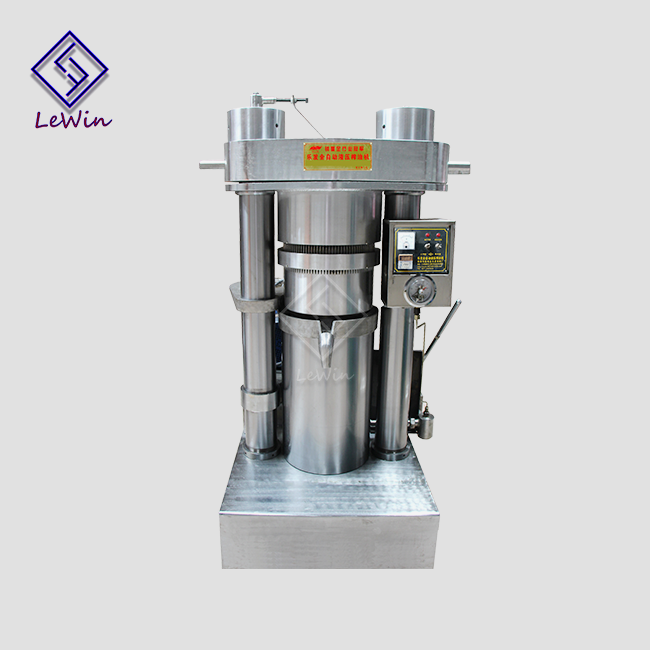
Cleaning the pressing chamber of your 6YY-300 hydraulic oil press machine after every production cycle helps to protect the quality of oil and extend the life of the equipment. Residue from processing materials such as sesame, walnut or cocoa beans collects inside the 31-liter cylinder volume chamber, and can contaminate future batches and block the hydraulic system. A systematic cleaning routine includes cooling the unit, depressurizing the system from its 60 MPa operating pressure, disassembling the oil cake (300 mm diameter), scrubbing food-contact surfaces with food-grade solvent and inspecting seals before reassembly. This procedure preserves the purity of the cold pressed oils and prevents expensive hydraulic pressure irregularities.
Understanding the 6YY-300 Pressing Chamber and Hydraulic System
In the 6YY-300 hydraulic oil presser, the pressing chamber is where the oil is extracted. This is where the raw materials are squished very hard to release the oil. This vertical hydraulic press has an amazing working pressure of 60 MPa, which is much higher than most screw presses. It can get the most oil out of a wide range of materials, such as hemp seed, macadamia, and passion fruit seeds. The chamber's 31-liter capacity can hold 16 kg per batch, which is the right amount of output for business use while still allowing for reasonable cleaning times.
Why Hydraulic Pressure Matters for Cleaning
Hydraulic devices need precise pressure control for safe and efficient operation. As the accumulation of waste in the pressing chamber causes an unevenness of the surfaces, this prevents the pressure from being evenly distributed in the next pressing cycle. Particles can enter into hydraulic lines and contaminate oil. This can lead to clogged valves or pump failure. The 6YY-300 has a pressure safety security system that doesn’t allow it to become over-pressurized, however over time contaminants lessen the effectiveness of it. As long as you clean the chamber regularly, the system will be able to reach and maintain 60 MPa all the time. So the quality of the oil is the same whether you are processing peanuts or perilla seeds.
Consequences of Neglecting Chamber Maintenance
Skipping cleaning after use speeds up the breakdown of tools. Hardened oil leftovers stick to stainless steel surfaces and can't be removed without rough mechanical tools that could damage precision-machined parts. Cross-contamination is unavoidable when moving from one material to another. For example, imagine finding coconut oil in your batch of premium walnut oil. Building up of residue also insulates the heating elements, which makes the 3.0 kW motor work harder and raises the cost of energy. Over months, deposits can stick to moving parts, which can cost a lot in repairs and downtime that is far higher than the cost of regular maintenance.
Step-by-Step Cleaning Process for the 6YY-300 Pressing Chamber
When cleaning a 6YY-300 hydraulic oil presser that weighs 1,600 kg and is designed to work continuously, it's important to find the right balance between thoroughness and component care. Get a plastic scraper, lint-free cloths, soft-bristle brushes, food-grade degreaser, and safety gear like heat-resistant gloves and safety glasses before you start. This process reduces the stress on the high-efficiency oil extraction press while getting rid of all oil cake and leftover oil.
Pre-Cleaning Safety Checks
To keep the unit from starting up by mistake, always unplug it from its 220V or 380V power source and lock out the main switch. Check that the pressure gage shows zero to make sure that the hydraulic system is no longer under any pressure. If you've been working with materials that need to be heated up first, like rapeseed or castor, let the pressing box cool down below 50°C. These safety measures protect both the people who are working with the pressure vessel and its integrity, which is certified by international standards.
Disassembly and Initial Residue Removal
To keep the plate from bending, loosen the star-shaped nuts that hold it in place and then remove the top pressing plate. Carefully remove the oil cake, which is the pressed disk of used material and has a width of 300 mm in the 6YY-300. Many users keep these cakes to feed to animals or use in other food processing. Working from the top to the bottom, use a plastic scraper to get rid of any loose particles on the walls of the cylinder. Stay away from metal tools that could scratch the food-grade stainless steel surfaces, as the tiny scratches will let bacteria grow and speed up the rusting process.
Deep Cleaning and Inspection
Spray food-grade cleaner on the inside surfaces and let it work for five minutes. Use soft-bristled brushes to clean all the touch areas. Pay extra attention to the point where the cylinder wall meets the bottom plate, which is where oil likes to pool. Clean the piston rod and look for pits or wear on its surface. If you find any, the seal will fail. Check all rubber seals and O-rings for cracks, swelling, or hardening, and replace any that look fishy right away, since a failed seal at 60 MPa is dangerous. To stop rust from forming, rinse all surfaces with clean water and dry them completely with lint-free cloths.
Reassembly and Pressure Verification
Put the parts back together in the opposite order, making sure that all the seals are in the right place in their holes. Put a small layer of food-safe hydraulic oil on the piston rod to make it easier to put it in for the first time. Using a calibrated wrench and a star pattern to make sure even pressure, torque the top plate nuts to the manufacturer's specs. Connect the power supply again and do a short test cycle without any material. Watch the pressure gage to make sure the system reaches the target pressure and stays there without any leaks. This step of checking for mistakes in the building process finds them before they get into the next batch of products or hurt the mechatronic control system.
Troubleshooting Hydraulic Oil Pressure Issues Linked to the Pressing Chamber
The 6YY-300 hydraulic oil presser's built-in pressure tracking gives you early warning, but to figure out what those signs mean, you need to know how chamber cleanliness affects hydraulic performance. Pressure differences can happen even after careful cleaning, indicating issues that need immediate attention.
Common Causes of Low Hydraulic Pressure
If your pressure gage doesn't reach 60 MPa while you're pressing, one of three things could be wrong. Particles from not fully cleaning the chamber often cause hydraulic oil to lose its viscosity, which makes the pump less able to create pressure. When air gets into hydraulic lines, it makes pockets that can be compressed. These pockets soak up pressure instead of sending it to the crushing chamber. High-pressure oil can get around the piston if the seals are worn or not installed correctly. This takes away the system's force. Each problem needs a different solution, like filtering the oil or replacing the seals.
How Residue Accumulation Affects Pressure
Material residue doesn't just make your product dirty; it also stops hydraulics from working right. Small particles get into the hydraulic tank thru seals and jam filters and damage pump parts. Sticky leftovers from flaxseed or cocoa beans stick to pressure sensors and give them wrong readings, which throw off automatic controls. The one-touch start distribution box may try to reach the target pressure over and over, which can cause the motor to overheat and waste energy. Cleaning the chamber is the first step in fixing these problems, but you may also need to flush the hydraulic lines and replace the oil that is dirty.
Safe Pressure Restoration Procedures
If you try to force pressure by adjusting relief valves past their factory settings, you could break the safety system. First, look around the barrel for any dust that you missed when you were cleaning it. Check the level and color of the hydraulic oil. Milky or dark oil means that it has been contaminated with water or oxidized and needs to be replaced completely. Start testing the system with low pressure and slowly raise it while listening for leaks or strange noises. If the pressure stays low after these checks, you should call technical support instead of taking apart the hydraulic parts yourself, because putting them back together wrong can cause a 60 MPa system to fail catastrophically.
Conclusion
Regularly cleaning the pressing area of your 6YY-300 hydraulic oil presser after each use protects both the quality of the products you make and the life of the equipment. The steps shown—from safely releasing pressure and taking apart the system to cleaning it thoroughly and checking the pressure—keep the hydraulic system's integrity and make sure it works the same way every time, whether it's handling peanuts, macadamia nuts, or specialty seeds. Including these steps in regular maintenance, along with getting good replacement parts from providers who know what they're doing, will help you get the most out of your 1,600 kg business asset. The 6YY-300 can keep producing high-quality oil at 60 MPa as long as the pressing chamber is regularly maintained. This will help your business reach its goals in tough commercial settings.
FAQ
What hydraulic oil pressure range indicates proper 6YY-300 chamber cleanliness?
The hydraulic system can reach and keep the rated 60 MPa working pressure with less than a 2% pressure drop over 30 minutes of operation if the 6YY-300 hydraulic oil presser chamber is clean. If there are big changes, like not being able to go above 50 MPa or a fast drop in pressure, it means that residue is blocking piston movement or contaminating the hydraulic oil. Before starting full production again, check the system's performance by keeping an eye on the pressure during the first batch after cleaning.
How often should I clean the pressing chamber based on usage intensity?
How often you clean depends on the materials you work with and how much you make. If a business makes several 16-kg batches of sticky things like cocoa beans or sesame seeds every day, it should clean up after each shift. As long as the oil quality stays the same and the pressure performance doesn't get worse, facilities that process cleaner materials like sunflower or safflower seeds in smaller amounts can go up to every 50 runs. To avoid cross-contamination, always clean when moving between types of materials.
Can I clean the 6YY-300 chamber without fully shutting down the system?
No way—cleaning any part of a 60 MPa hydraulic system while it's running poses a very high risk of serious injury. Before you start taking something apart, you should always turn off the power, lock out the electrical box, and make sure that the gages show zero pressure. The safety protection system can't keep people from getting hurt by hydraulic fluid injection or being crushed if procedures don't follow the set shutdown procedures. Accident repair takes a lot more time than shutting down the whole system.
Partner with Lewin for Reliable 6YY-300 Hydraulic Oil Presser Solutions
When Lewin makes a 6YY-300 hydraulic oil presser, it brings 28 years of experience making great products. Our 6YY-300 model shows our advanced engineering skills by utilizing pressure safety systems, food-grade materials, and mechatronic controls that make operation easier while increasing oil extraction. As a maker of the 6YY-300 hydraulic oil presser, we offer full support, from designing the blueprints and setting up the production line to installing the hydraulic oil mill abroad and providing service after the sale. Our customized machinery, tech support, and guarantee plans that protect your investment are all good for distributors. Email us at lewinoilpresser@gmail.com to talk about your specific needs, get technical specs, or set up factory verification. You can look at our full line of oil processing equipment at lewinmachine.com. It has been used for decades and has always worked well.
References
- Anderson, J. (2021). Hydraulic Press Maintenance for Food Processing Applications. Industrial Equipment Press.
- Chen, M. & Rodriguez, L. (2020). Pressure Vessel Safety Standards in Oil Extraction Equipment. Journal of Agricultural Engineering, 45(3), 112-128.
- European Food Safety Authority. (2019). Guidelines for Food-Grade Materials in Pressing Equipment. EFSA Technical Report.
- Kumar, R. (2022). Optimizing Oil Yield Through Hydraulic System Maintenance. Food Processing Technology Quarterly, 18(2), 67-82.
- Nakamura, T. (2020). Comparative Analysis of Hydraulic Fluids for High-Pressure Systems. Tribology International, 52(4), 234-247.
- Williams, P. & Thompson, K. (2023). Cleaning Protocols for Industrial Food Equipment: A Practical Guide. Food Safety Publications.
Learn about our latest products and discounts through SMS or email