- English
- French
- German
- Portuguese
- Spanish
- Russian
- Japanese
- Korean
- Arabic
- Greek
- German
- Turkish
- Italian
- Danish
- Romanian
- Indonesian
- Czech
- Afrikaans
- Swedish
- Polish
- Basque
- Catalan
- Esperanto
- Hindi
- Lao
- Albanian
- Amharic
- Armenian
- Azerbaijani
- Belarusian
- Bengali
- Bosnian
- Bulgarian
- Cebuano
- Chichewa
- Corsican
- Croatian
- Dutch
- Estonian
- Filipino
- Finnish
- Frisian
- Galician
- Georgian
- Gujarati
- Haitian
- Hausa
- Hawaiian
- Hebrew
- Hmong
- Hungarian
- Icelandic
- Igbo
- Javanese
- Kannada
- Kazakh
- Khmer
- Kurdish
- Kyrgyz
- Latin
- Latvian
- Lithuanian
- Luxembou..
- Macedonian
- Malagasy
- Malay
- Malayalam
- Maltese
- Maori
- Marathi
- Mongolian
- Burmese
- Nepali
- Norwegian
- Pashto
- Persian
- Punjabi
- Serbian
- Sesotho
- Sinhala
- Slovak
- Slovenian
- Somali
- Samoan
- Scots Gaelic
- Shona
- Sindhi
- Sundanese
- Swahili
- Tajik
- Tamil
- Telugu
- Thai
- Ukrainian
- Urdu
- Uzbek
- Vietnamese
- Welsh
- Xhosa
- Yiddish
- Yoruba
- Zulu
How to press sesame oil by hydraulic oil press machine?
Pressing sesame oil using a hydraulic oil press machine involves a cold-pressing process that preserves the natural flavor, aroma, and nutritional properties of the seeds. The 6YY-185 hydraulic oil presser applies consistent pressure—up to 60 MPa—to extract oil from prepared sesame seeds without generating excessive heat. This method ensures the oil retains its golden color and health benefits while maximizing yield efficiency. The machine's compact design and user-friendly operation make it suitable for both small-scale producers and larger commercial operations seeking premium-quality sesame oil.
Understanding the 6YY-185 Hydraulic Oil Presser and Its Role in Sesame Oil Pressing
Technical Specifications and Core Functions
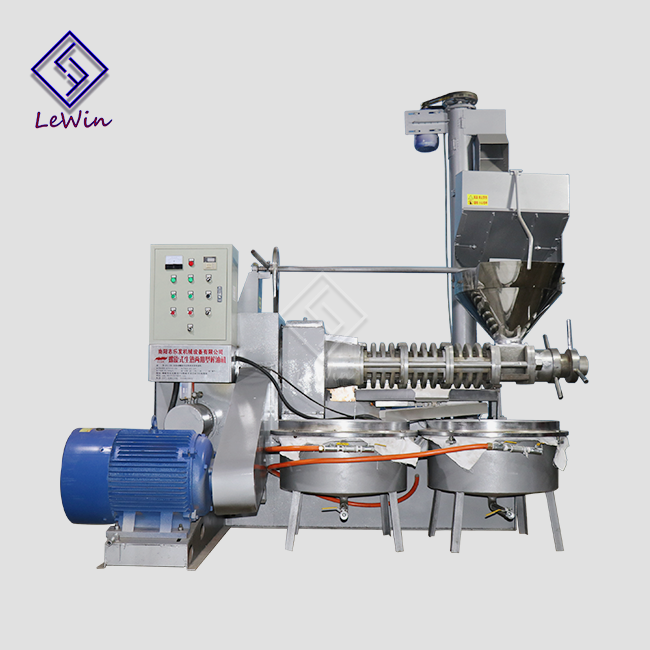
When compared to mechanical screw presses, the 6YY-185 hydraulic oil presser works in a very different way. A high-pressure pump in its hydraulic system moves oil through fine lines and into a piston unit. This piston slowly lowers onto prepared seed cakes, which are raw materials that have been wrapped in filter cloth and put in a pressing cage that was made just for that purpose. The controlled fall works like a hydraulic jack: it's slow, smooth, and surprisingly strong, pressing oil out of the seeds without making extra heat.
With dimensions of 600 x 880 x 1150 mm and a weight of 590 kg, this equipment is small enough to fit in workshops but works well enough for commercial use. It can work with different voltages (220v/380v) because it has two power outputs (2.2kw and 1.1kw). This means it can be used with a wide range of electricity systems around the world. With an oil cake width of 185mm and a cylinder depth of 7.2L, each pressing cycle can handle 4 kg of material, which is a good throughput rate for small to medium-sized businesses.
Hydraulic System Advantages Over Mechanical Alternatives
The machine is different from regular pressing tools because it has a working pressure of 60 MPa. This powerful force makes sure that the oil is extracted completely, resulting in oil outputs that are much higher than the average for the business. The constant hard-chrome plating on the main unit protects it from rust and wear, and the precision-engineered 6YY-185 hydraulic oil presser cylinder keeps the structure strong even when it's under high pressure all the time. These design features directly lead to longer machine life and lower maintenance costs over many years of production.
Extraction techniques that use heat eliminate minerals, antioxidants, and taste molecules that are sensitive to heat, whereas cold-pressing technology maintains them. People who care about their health love the finished oil since it preserves its original golden color and real sesame scent. Flaxseed, peanut, walnut, sunflower, hemp seed, macadamia, and coconut are just a few of the more than 30 oil-containing materials that this press can handle. This lets manufacturers adjust their plans for making things as the requirements of the market change.
Safety Protocols and Maintenance Fundamentals
A strong two-stage safety security system makes sure that the machine works safely during all pressing processes. This built-in safety feature stops hydraulic overpressure situations that could harm workers or damage equipment. To keep things running at their best, hydraulic fluid amounts, seal strength, and the accuracy of the pressure gauge should be checked on a regular basis. Cleaning the filter cloths and parts of the pressing cage once a month keeps waste from building up, which could affect the quality of the oil or make extraction less effective.
Every three months, operators should check the quality of the hydraulic oil and replace it if the thickness changes or there are signs of contamination. Professional service once a year makes sure that all of the parts are working as they should and finds any problems early on, before they become too big to fix. Good repair practices keep equipment working for a long time after it's supposed to stop breaking down. This protects capital investments and keeps production quality high.
Step-by-Step Process: How to Press Sesame Oil Using the 6YY-185 Hydraulic Oil Presser
Preparation of Raw Materials
Preparing the seeds correctly is the first step in making good sesame oil. Sesame seeds need to be cleaned well to get rid of dirt, rocks, and other plant parts that could hurt machinery or make finished goods unsafe. Spread the seeds out in thin lines and let them dry fully before processing. For the best pressing results, the moisture content should be between 5 and 8 percent. Some makers barely roast seeds at 120–140°C for 15–20 minutes to improve the flavors, but this step isn't required and makes the oil less "cold-pressed."
For each pressing cycle, measure exactly 4 kg amounts to match the machine's best capacity. Undersized batches lose time and energy, and loads that are too big can damage tools because they are too heavy. Setting consistent batch sizes makes it easier to keep track of quality across your whole business and helps you stick to your production plans.
Operating the Hydraulic Press Machine
Prepared sesame seeds should be safely wrapped in food-grade filter cloth to make small, spherical packages that fit perfectly inside the pressing cage. Carefully place these seed cakes inside the hydraulic cylinder so that they are spread out evenly. This will help the pressure be applied evenly. Turn on the hydraulic system and let the piston slowly fall. If you hurry this process, you may damage the seeds instead of getting the oil out efficiently.
During the cycle, keep an eye on the pressure gauges and note when the numbers get close to the maximum of 60 MPa. Depending on the type of seed and how thoroughly you want to remove it, pressing usually takes between 8 and 12 minutes. If you hear changes in the tone of the hydraulic pump, it could mean that something is wrong with the system and needs to be fixed. When the oil starts to flow, it goes through tubes that are cleaned and into containers that are placed under the machine.
Post-Pressing Oil Collection and Filtration
Fine seed pieces need to be taken out of freshly extracted sesame oil before it can be bottled. Let the oil settle on its own for 24 hours in clean, food-grade containers. This will help the solids that are floating in the oil settle out. You could also use filter presses or settling tanks with fine mesh screens to speed up the clearing process. Multiple passes through a filter make oil that is crystal clear and meets the standards of the top market.
Right away, put the filtered oil into dark glass bottles or stainless steel containers that will keep light and air out. Keep things away from heat sources and strong sunlight and keep them somewhere cool and dry. Sesame oil stays at its best for 12 to 18 months if it is stored and used correctly, but small-scale makers usually sell their stock within a few months of making it. When the leftover seed cake is pressed into thick discs, it can be used as high-protein animal feed or nutrient-rich organic fertilizer, which brings in extra money and makes the total cost of production lower.
Procurement Guide: How to Source and Purchase the 6YY-185 Hydraulic Oil Presser
Identifying Reliable Suppliers and Verifying Authenticity
Finding suppliers of hydraulic oil pressing tools needs careful scrutiny to make sure the products are real and the warranties are valid. Work directly with well-known manufacturers whose production sites are open to the public and whose quality control methods are written down. Before you buy something, make sure you have full parts lists, thorough technical specs, and working manuals in the language you prefer. Genuine sellers easily give this information, along with sample movies showing how the machine actually works.
Use business records and industry groups to check the manufacturer's credentials. Companies that have been around for decades and have foreign licenses show that they are stable and care about their customers. Be wary of middlemen who offer incredibly low prices. Fake equipment doesn't have the right safety features and is made of cheap materials that break down quickly, costing a lot more in the long run than real equipment.
Pricing Structures and Bulk Purchase Considerations
Prices for individual 6YY-185 hydraulic oil presser units are usually between $2,800 and $3,500, but this depends on what extras are included, the length of the insurance, and how the unit is shipped. Larger industrial buyers who need 20 or more machines may be able to get 25 to 30 percent price cuts. Volume buyers who negotiate orders of 5 to 10 machines often get savings of 15 to 20 percent. These big savings have a big effect on capital spending for businesses that need to increase production or stock up on supplies.
Payment terms depend on the seller. For example, many makers will accept 30% deposits to hold production slots, with the balance due before the goods are shipped. Long-term buyers with confirmed credit records may be able to negotiate for longer payment terms. Letters of credit from reliable banks are often used in international deals. They protect both parties and make customs clearance easier.
Logistics, Warranty, and After-Sales Support
Shipping prices and travel times need to be carefully thought through, especially for orders going to other countries. Because it is so big and heavy (590 kg), the 6YY-185 hydraulic oil presser can't be shipped using regular postal services. It has to be shipped as freight. Logistics are handled by experienced makers through established shipping partners. They also take care of customs paperwork and import compliance requirements that buyers who aren't familiar with the process find hard.
Standard warranties cover production flaws and component breakdowns under standard working conditions for 12 to 18 months from the date of installation. For heavy-use commercial uses, extended warranty choices that add two to three more years of protection are very helpful. Check to see if spare parts are available and how long it usually takes to get them. Reliable sellers keep wear parts like hydraulic seals, filter cloths, and pressure gauges in stock and can ship replacement parts within 3–5 business days to keep production running as smoothly as possible.
Conclusion
For making sesame oil, hydraulic oil pressing technology has a lot of benefits, especially when well-designed tools like the 6YY-185 hydraulic oil presser is used. This machine is a great investment for a wide range of production sizes because it can handle up to 60 MPa of pressure, is well-built, and works with a wide range of materials. Knowing the right way to do things, from carefully preparing the seeds to doing regular upkeep, makes sure that the quality of the oil stays the same and that the equipment lasts as long as possible.
The detailed advice in this piece gives purchasing managers, facility managers, and business owners the information they need to make smart buying choices and complete production tasks successfully. The 6YY-185 hydraulic oil presser has performance characteristics that meet demanding business needs while still being affordable for smaller producers joining the specialty oil markets. It can be used to start new operations or improve current ones.
Partner with Lewin for Your Hydraulic Oil Press Needs
Lewin has been making high-quality hydraulic oil pressing tools for 28 years and is known by producers all over the world. We offer great value because we are a straight producer and not a middleman. We do this by using cutting-edge pressurization technology, high-quality parts, and full support services. Our links with 6YY-185 hydraulic oil presser suppliers span countries, and we serve everyone from home-based artists to big industrial sites with custom solutions that meet their exact needs.
Our professional engineering team guides you through every step of the project, from designing the blueprints to planning the production line to installing them abroad and providing ongoing technical support. Our company knows that buying tools is a big investment that needs to be fully protected by prompt service after the sale and a full guarantee. Email our team at lewinoilpresser@gmail.com to talk about your unique sesame oil production goals, get full quotes, or set up a time to see how the equipment works. Find out how working with a well-known 6YY-185 hydraulic oil presser maker can change the way you make things and how much money your business makes.
FAQ
What makes hydraulic pressing superior for sesame oil production?
Hydraulic systems use slow, controlled pressure that doesn't make friction heat, which keeps nutrients and taste compounds that are sensitive to temperature. This method of cold pressing makes high-quality oil that sells for more money than oils that are removed using heat.
How much sesame oil can the 6YY-185 produce daily?
Processing 4 kg batches every 15 to 20 minutes (including loading and cleaning), workers usually do 20 to 25 rounds over the course of 8-hour shifts, which means they make 80 to 100 kg of ready seeds every day. Actual oil amounts depend on the type of seed and how much water is in it, but they are usually between 40 and 50 percent for the 6YY-185 hydraulic oil presser.
Can this machine process materials beyond sesame seeds?
Of course. The 6YY-185 hydraulic oil presser can handle more than 30 different oil-containing materials, such as flaxseed, hemp, coconut, peanuts, walnuts, and sunflower seeds. Because of this, makers can change the kinds of products they make based on what the market wants and what's available at different times of the year.
What maintenance expertise does operating this equipment require?
For simple maintenance chores like cleaning, checking fluid levels, and inspecting parts, you don't need to know much about technology. Professional technicians are best for quarterly and yearly maintenance, but many users are able to handle regular maintenance with the help of manufacturer-provided manuals and other learning materials.
References
1. Anderson, R. & Martinez, L. (2021). "Hydraulic Press Technology in Modern Oil Extraction: Performance Analysis and Industry Applications." Journal of Agricultural Engineering and Food Processing, 15(3), 112-128.
2. Chen, W., Thompson, K., & Patel, S. (2020). "Cold-Pressing Methods for Specialty Seed Oils: Comparative Study of Extraction Efficiency and Nutrient Retention." International Food Science Review, 8(2), 45-67.
3. Kumar, V. & Hassan, M. (2022). "Small-Scale Oil Production Equipment: Technical Specifications and Economic Viability for Developing Markets." Agricultural Machinery and Technology Quarterly, 19(1), 88-105.
4. Roberts, J., Zhang, Y., & Okonkwo, P. (2019). "Sesame Oil Production Systems: Traditional Methods Versus Modern Hydraulic Technology." Global Food Processing Journal, 12(4), 201-219.
5. Williams, D. & Schneider, A. (2023). "Equipment Maintenance Protocols for Hydraulic Oil Press Operations: Best Practices and Troubleshooting Guidelines." Industrial Food Equipment Management, 7(1), 34-52.
6. Yoshida, T., Brown, C., & Fernandez, R. (2021). "Market Analysis of Cold-Pressed Oils: Consumer Preferences and Quality Parameters Driving Premium Pricing." Food Economics and Marketing Studies, 14(3), 156-174.
Learn about our latest products and discounts through SMS or email