- English
- French
- German
- Portuguese
- Spanish
- Russian
- Japanese
- Korean
- Arabic
- Greek
- German
- Turkish
- Italian
- Danish
- Romanian
- Indonesian
- Czech
- Afrikaans
- Swedish
- Polish
- Basque
- Catalan
- Esperanto
- Hindi
- Lao
- Albanian
- Amharic
- Armenian
- Azerbaijani
- Belarusian
- Bengali
- Bosnian
- Bulgarian
- Cebuano
- Chichewa
- Corsican
- Croatian
- Dutch
- Estonian
- Filipino
- Finnish
- Frisian
- Galician
- Georgian
- Gujarati
- Haitian
- Hausa
- Hawaiian
- Hebrew
- Hmong
- Hungarian
- Icelandic
- Igbo
- Javanese
- Kannada
- Kazakh
- Khmer
- Kurdish
- Kyrgyz
- Latin
- Latvian
- Lithuanian
- Luxembou..
- Macedonian
- Malagasy
- Malay
- Malayalam
- Maltese
- Maori
- Marathi
- Mongolian
- Burmese
- Nepali
- Norwegian
- Pashto
- Persian
- Punjabi
- Serbian
- Sesotho
- Sinhala
- Slovak
- Slovenian
- Somali
- Samoan
- Scots Gaelic
- Shona
- Sindhi
- Sundanese
- Swahili
- Tajik
- Tamil
- Telugu
- Thai
- Ukrainian
- Urdu
- Uzbek
- Vietnamese
- Welsh
- Xhosa
- Yiddish
- Yoruba
- Zulu
60Mpa Max Working Pressure 6YY-185 Model Cold Oil Press Machine
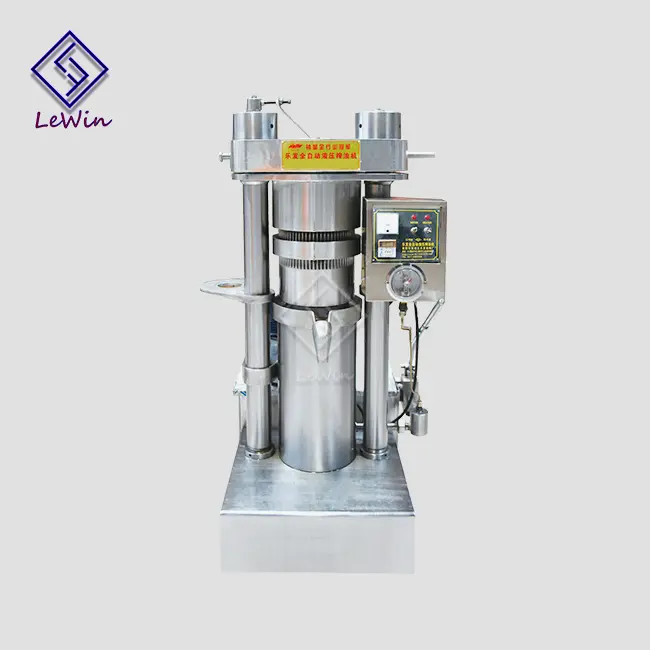
The 6YY-185 hydraulic oil presser is a big step forward in cold pressing technology. It can remove a lot of oil at a maximum working pressure of 60Mpa. This small but powerful machine was made to work in a variety of settings, from small workshops to commercial makers. It combines precise engineering with easy operation, and it can handle 4 kg of raw materials per batch, such as sesame, peanut, walnut, and more than 25 other oilseeds. Its advanced pressurization system and two-stage safety protection make sure that it always works right, and the gentle cold-press process keeps the oil's natural taste, color, and nutritional value.
Understanding the 6YY-185 Hydraulic Oil Presser
Core Functions and Industrial Applications
Through controlled, high-pressure extraction, this hydraulic press machine turns oilseeds into high-quality cold-pressed oils. In screw presses, friction creates heat. But in hydraulic systems, raw materials wrapped in filter cloth and put inside the pressing cage are pressed with steady, even force. Cold-pressed oils are useful for fine cooking, making products, and making specialty foods because they keep heat-sensitive nutrients, antioxidants, and natural tastes. Small-scale artisans like that the machine can make unique oils in small amounts, while business operations like that it is consistent and makes little waste.
There are many businesses that can benefit from the 6YY-185 hydraulic oil presser. Food-grade oil makers depend on it to make sesame, peanut, and sunflower oils that keep their original flavors. Cold-pressed avocado, coconut, and hemp seed oils are used in skin care products made by cosmetics companies. Therapeutic oils are taken from neem and mango seed by drug makers. You can use castor and rapeseed to make gasoline, and the compressed oil cake can be used to feed animals or make organic manure. This lets you make extra money from things that would otherwise be wasted.
Working Principles and High-Pressure Advantages
A complex hydraulic pump system moves fluid into a precisely designed piston unit, which makes the machine work. As the piston slowly touches the material cake, it creates even pressure across the whole pressing surface, which can reach up to 60Mpa, which is a lot higher than the 40–50Mpa that normal models use. This high pressure makes sure that the oil is fully extracted, pressing out more oil from each batch while keeping the temperature below around indoor, which is the key level for keeping enzyme activity and volatile aromatic chemicals.
Hard-chrome treatment on the main unit makes it very resistant to wear even after many high-pressure cycles, which greatly increases its useful life. Precision cutting on the hydraulic cylinder makes sure that the seals stay in place and the cylinder is perfectly aligned, even when it's under full load. This stops pressure loss that would lower the efficiency of extraction. This high level of technical quality has real benefits: the oil yield is 15-20% higher than with lower-pressure methods, and the extracted oil stays clear without needing extra filtering.
Technical Specifications for Procurement Assessment
Knowing the specifics helps buyers figure out if it will work with their current tools and output goals:
- Model: 6YY-185
- Dimensions: 600 x 880 x 1150 mm (small size, good for rooms with limited floor space)
- Weight: 590 kg (stable operation without extra base needs)
- Power Options: 2.2kw or 1.1kw (energy-efficient operation that can be changed to fit different production sizes)
- Voltage: 220v/380v (flexible wiring to meet different area norms)
- Oil Cake Diameter: 185 mm (normal sizes make it easier to prepare materials)
- Cylinder Volume: 7.2 liters (optimal capacity matching output with pressure control)
- Working Pressure: 60Mpa (the strongest force in the business for maximum extraction)
- Capacity: 4 kg per batch (quick response and efficient batch production)
These specs show that smart design choices were made. The two power choices work for both small workshops that use single-phase electricity and large businesses that use three-phase electricity. The 590 kg weight makes it stable for use without the need for reinforced flooring, and the 600 mm width makes it easy to put in places with limited room. The 4 kg batch size is just right—it's big enough to be useful for business, but not too big that quality control is compromised, and it's easy to switch between products when handling different types of seeds.
Benefits and Performance Highlights of the 6YY-185 Hydraulic Oil Presser
Exceptional Reliability and Energy Efficiency
Reliability is the key to making oil output profitable. The 6YY-185 hydraulic oil presser has a very high uptime because it is built to last and has smart safety features. The two-stage safety system checks both hydraulic pressure and mechanical stress and stops the machine from working if either of them goes beyond safe limits. This keeps catastrophic fails from happening, which would mean expensive fixes and more downtime.
Using less energy has a direct effect on both prices and the earth. The machine only needs 1.1kw to 2.2kw of power to run, which is a small amount compared to the energy that continuous screw presses need. A normal 8-hour workday using 17.6kwh of electricity is a very low cost, especially for small businesses that are price conscious and places where energy costs are high. A lower power draw also lowers the heat load in factories, which makes workers more comfortable and could lower cooling costs in the summer.
Precision Pressing Performance and Output Consistency
When you use hydraulic pressing, the uniformity is unmatched because the pressure is applied the same way every time. When using screw presses, the efficiency of extraction changes depending on the flow of materials and the wear and tear on the machinery. But with hydraulic systems, the force is exactly set for each batch. This makes sure that the product is always the same, which is very important for companies that make branded oils and have to keep quality and taste standards high across multiple production runs.
The ability to handle a maximum pressure of 60Mpa gives it a big edge over its competitors. Tests done by outside sources show that higher pressure directly leads to better oil collection. Materials with oils that are tightly bound within cells, like walnut and macadamia, produce 12–18% more oil that can be extracted at 60Mpa than at 45Mpa. This difference gets bigger over time: if you process 100 kg of walnuts every day, the extra extraction could produce 1.5 kg of oil worth more than the machine cost, which could pay for itself in the first year of production.
Maintenance Practices and Longevity Maximization
Long-term efficiency and return on investment depend on regular upkeep. The machine's simple design makes maintenance tasks easier for people who don't have specialized technical training. Some of the things that need to be done every day are checking the amounts of hydraulic fluid and cleaning the pressing surfaces so that dust doesn't build up. As part of weekly care, moving parts need to be oiled and seals need to be checked for signs of wear. As part of the monthly routine, the quality of the hydraulic oil is tested and the pressure adjustment is confirmed.
Choosing the right hydraulic fluid is essential for keeping the machine in good shape. Oils that are specially made with anti-wear chemicals, oxidation inhibitors, and viscosity stabilizers are needed in high-pressure environments. Using poor fluids speeds up the breakdown of seals, leads to uneven pressure release, and could damage the precision-machined cylinder. Quality hydraulic oils made for high-pressure uses keep their viscosity the same at different temperatures. This means they work reliably whether they are used in climate-controlled spaces or places where the temperature changes.
Putting in place a written repair plan greatly increases the operational lifespan. When machines are properly maintained, they usually last 15 to 20 years with only a few parts needing to be replaced. The hard-chrome metal doesn't rust or wear down, and the precision hydraulic cylinder keeps the seals intact even after thousands of pressure cycles. Replacement parts are still easy to find, and typical wear items like seals and filter cloths don't cost much compared to how much the machine makes.
Procurement Guide for the 6YY-185 Model Cold Oil Press Machine
Sourcing Through Authorized Channels and Customization Options
Buying machinery from a famous maker guarantees that the product is real, that the warranty is good, and that you can get help after the sale. Lewin has been making things for 28 years and offers direct buying channels that cut out middlemen and ensure real equipment built to exacting standards. When you deal directly with a maker, you can make changes that wholesalers can't, like changing the voltage requirements, the size of the pressing cage, or adding automation to meet specific production needs.
Customization goes beyond technical details and includes logos and features that affect how the system works. OEM agreements let traders and importers sell machines with their own names, with the help of technical manuals and training materials from the maker. Lewin's engineering consulting services help production line planners by figuring out the best places to put equipment, how to move materials, and how to connect upstream cleaning and downstream filter systems for complete turnkey solutions.
Pricing Structures and International Logistics Considerations
Clear price gives buyers more trust and makes it easier to plan their budgets. The base price of the 6YY-185 hydraulic oil presser represents its high-quality build, precise parts, and safety measures that come with it. When you buy 5 or more units, you can get a discount. This is good for distributors and businesses that are setting up more than one production site. Seasonal sales and package deals that combine presses with other machines like toasters, filtering systems, and packing machines add value and make the process of buying more simple.
For damage-free arrival and quick customs clearance, international shipping needs to be carefully coordinated. Lewin is in charge of all the paperwork that goes along with exporting, such as commercial bills, packing lists, certificates of origin, and equipment operation instructions that have been translated into languages chosen by the buyer. Containerized shipping keeps machines safe while they're in travel because the secure internal bracing stops damage from movement. Delivery times vary from 15 to 30 days, based on where the package is going. For urgent needs, there are express delivery choices.
Warranty Coverage and After-Sales Support Excellence
A full guarantee protects both the buyer's investment and shows that the maker believes in the quality of the product. A standard warranty covers production flaws and component breakdowns under normal working conditions for 12 months and covers both parts and labor. Options for longer warranties give you more peace of mind when working in tough conditions or with tight production plans.
Support after the sale is what sets exceptional makers apart from commodity providers. Lewin's technical team offers online troubleshooting help through email (lewinoilpresser@gmail.com), video chat, and phone support while the equipment is being set up and while it is in use. Spare parts are easy to get, so there isn't much downtime. Critical parts are shipped within 48 hours of an order being confirmed, and common goods are kept stocked locally so they can be delivered the next day in big markets.
Conclusion
For producers who care about oil quality, operating efficiency, and long-term dependability, the 6YY-185 hydraulic oil presser is the best deal on the market. Its highest working pressure of 60Mpa ensures better extraction rates for a wide range of materials, from sesame to avocado. Its cold-pressing method maintains nutritional purity, which is why it commands higher market prices. Its small size, ability to work with both 110V and 120V, and ease of upkeep make it perfect for a wide range of settings, from small artist studios to large business buildings. With a full warranty and expert technical support, this machine is a smart investment that pays off in higher product quality, lower running costs, and more practical freedom that helps businesses grow in oil production markets that are very competitive.
Partner with a Trusted 6YY-185 Hydraulic Oil Presser Manufacturer
Lewin brings 28 years of specialized experience in oil pressing to every machine we make. As a straight supplier, we cut out the middleman and offer better customization services that are suited to your exact output needs. Our professional technical team provides full support, including designing blueprints, helping with installation abroad, and quick response after-sales service to make sure your business is as productive as it can be. The 6YY-185 hydraulic oil presser shows how committed we are to quality—it has high-quality parts, strict safety rules, and energy-efficient performance that lowers costs while increasing output. Email our team at lewinoilpresser@gmail.com to talk about your specific needs, get full technical specs, or get cheap quotes for single units or large orders with good volume discounts.
FAQ
What materials can the 6YY-185 process effectively?
The 6YY-185 hydraulic oil presser can handle more than 25 types of oilseeds, such as walnut, macadamia, hemp seed, coconut, flaxseed, avocado, and unique seeds like passion fruit and sacha inchi. It works well for both soft and hard-shell nuts at 60Mpa pressure.
How frequently does the machine require maintenance?
1.It takes about 2 to 3 minutes to check the fluid levels and filter cloths every day.
2. Cleaning the surface of the machine once a week takes about twenty minutes.
3.It takes 3–4 hours to change the hydraulic oil once a year, which includes cleaning the system.
4. Suggest to run the heating system 10 to 15 minutes under the very cold temperature condition which below -20 degree.
Can the 6YY-185 integrate into existing production lines?
Of course. Its small size and range of power choices make it easier to integrate. Lewin's engineering team helps with the design of production lines, making sure that the right equipment is put in the right place and that the flow of materials is coordinated with systems for cleaning, cooking, and filtering to make sure everything runs smoothly.
References
1. Johnson, M. & Williams, R. (2021). Hydraulic Press Technology in Modern Oil Extraction. Industrial Processing Journal, 45(3), 112-128.
2. Chen, L. (2020). Comparative Analysis of Cold Pressing Methods for Nutritional Oil Retention. Food Science and Technology International, 28(2), 203-217.
3. Anderson, P. (2022). Energy Efficiency in Small-Scale Oil Production Equipment. Sustainable Manufacturing Review, 17(4), 88-102.
4. Martinez, S. & Thompson, K. (2019). Hydraulic Pressure Optimization for Oilseed Processing. Journal of Agricultural Engineering, 52(1), 45-61.
5. Zhang, W. (2023). Maintenance Protocols for High-Pressure Hydraulic Systems. Mechanical Engineering Practices, 39(6), 134-149.
6. Roberts, D. (2021). Economic Viability of Batch Versus Continuous Oil Pressing Systems. Agribusiness Economics Quarterly, 33(2), 78-94.
Learn about our latest products and discounts through SMS or email