- English
- French
- German
- Portuguese
- Spanish
- Russian
- Japanese
- Korean
- Arabic
- Greek
- German
- Turkish
- Italian
- Danish
- Romanian
- Indonesian
- Czech
- Afrikaans
- Swedish
- Polish
- Basque
- Catalan
- Esperanto
- Hindi
- Lao
- Albanian
- Amharic
- Armenian
- Azerbaijani
- Belarusian
- Bengali
- Bosnian
- Bulgarian
- Cebuano
- Chichewa
- Corsican
- Croatian
- Dutch
- Estonian
- Filipino
- Finnish
- Frisian
- Galician
- Georgian
- Gujarati
- Haitian
- Hausa
- Hawaiian
- Hebrew
- Hmong
- Hungarian
- Icelandic
- Igbo
- Javanese
- Kannada
- Kazakh
- Khmer
- Kurdish
- Kyrgyz
- Latin
- Latvian
- Lithuanian
- Luxembou..
- Macedonian
- Malagasy
- Malay
- Malayalam
- Maltese
- Maori
- Marathi
- Mongolian
- Burmese
- Nepali
- Norwegian
- Pashto
- Persian
- Punjabi
- Serbian
- Sesotho
- Sinhala
- Slovak
- Slovenian
- Somali
- Samoan
- Scots Gaelic
- Shona
- Sindhi
- Sundanese
- Swahili
- Tajik
- Tamil
- Telugu
- Thai
- Ukrainian
- Urdu
- Uzbek
- Vietnamese
- Welsh
- Xhosa
- Yiddish
- Yoruba
- Zulu
How to clean and maintain press bar and screw shaft on 6YL-160?
The press bar and screw shaft must be cleaned and maintained properly in order for continuous screw oil press machines to last as long as possible and keep producing high-quality oil. These parts are put under a lot of mechanical stress and are exposed to leftovers from different oilseeds, which has a direct effect on how well the whole machine works. Knowing how maintenance affects things helps you make better choices about capital investments, cuts down on unplanned downtime, and makes sure that product standards are maintained across production runs.
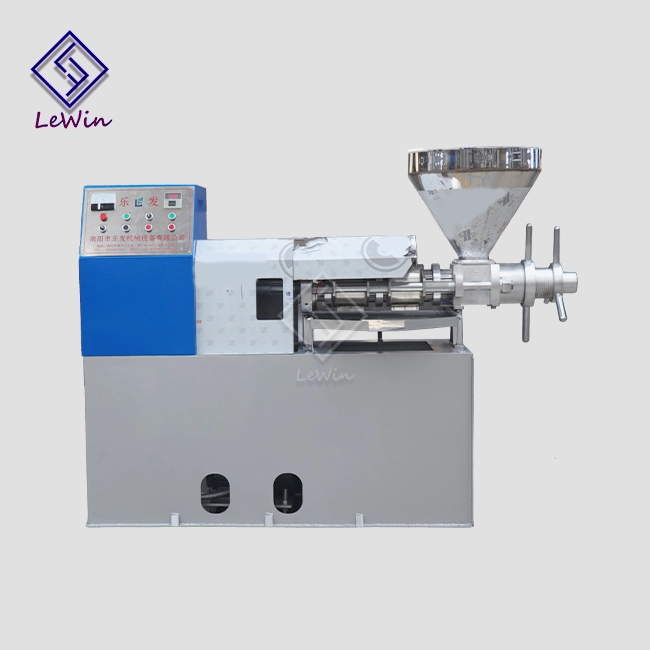
Working with small and medium-sized oil mills and processors across the United States has taught us that a strong cleaning and repair schedule protects efficiency and raises energy consumption measures. With a 30kw power requirement and a huge 300–600kg/h working volume, the 6YL-160 screw oil presser needs extra care for its core pressing parts. When procurement professionals look at different pieces of equipment, access to maintenance and reliability often tip the scales in favor of models that combine performance with easy maintenance procedures.
Role of Press Bar and Screw Shaft in Oil Extraction
Through its helical shape, the screw shaft causes the mechanical pressing action, moving oilseeds forward while providing more pressure as the materials move through the barrel. The press bar, which is also known as the cage bar or pressing ring assembly, makes the area where the oil and solid matter are separated by extreme compression. The friction and force needed for efficient extraction of a wide range of materials, from flaxseed and walnuts to hemp seed and macadamia nuts, are created by moving and fixed parts working together.
How These Components Impact Oil Quality
The precise gap between the screw flights and press bars affects how oil flows and how dry the cake is. It is possible to measure a drop in oil flow when residue builds up in these small areas or when wear makes openings bigger than what is required. Poor maintenance causes dirt to build up, rust, and early wear that lowers the quality of the output and the machine's efficiency. Controlling temperature is also harder when buildup insulates surfaces and changes the thermal profile that affects how oil behaves.
The Economic Impact of Component Condition
Industrial clients should know how these parts affect the standard of the output and the cost of doing business. If you keep the screw shaft and press bar unit in good shape, they will keep working at the right speed and using the right amount of energy per kilogram of material they're processing. On the other hand, workers have to lower feed rates or accept lower extraction efficiency when components are worn out, which directly affects profits. The 6YL-160 screw oil presser's heavy weight of 1900 kg and strong construction show that it was designed to be maintained regularly instead of being replaced too soon. This makes maintenance a strategic advantage rather than just a technical necessity.
Step-by-Step Cleaning Guide for Press Bar and Screw Shaft
A skilled cleaning procedure makes sure that these important parts last a long time and work perfectly. To do the job right, you need to plan ahead, use the right tools, and pay close attention to how the machine is built.
Preparation and Safe Disassembly
Turn off all the power and let the continuous screw oil press machine cool down totally before you start working on it. Take any leftovers out of the hopper and run the press for a short time with a cleaning agent like rice bran or another absorbing material to get rid of any oilseeds that are still there. Check the technical manual that comes with your unit to see how changes to the strong gearbox with improved speed ratios might affect the entry points.
Loosen the closing devices that hold the press bar unit together. These are usually a series of bolts that go around the barrel's edge. Leave a note on the direction of the parts as you take them apart to make sure they are put back together correctly. When the clamps are taken off, the press bars roll out, showing the screw shaft. Depending on your repair plan, the shaft may need to be taken out for a full check, but it can often be cleaned while it is still in place.
Effective Cleaning Methods
Brushes made of brass and wooden scrapers can be used to remove cake and carbonized leftovers from the surfaces of press bars. Steel tools should not be used because they could damage the precision surfaces. Soak parts that are very dirty in food-grade degreasing products that are made for the materials you are working with. When mixed with alkaline cleaners, hot water breaks down oil films without hurting steel surfaces that have been cleaned.
Pay extra attention to the leading edges, where material flow starts, and the final compression zone, where pressure is highest, when cleaning the screw shaft flights. Compressed air helps move things out of tight spaces. Check the press bars' oil draining ducts to make sure they are clear so that they don't get clogged up while they're working. These paths are very important for separating the oil that has been removed from the thick cake.
Inspection and Reassembly Protocol
Check all of the surfaces for cracks, cutting, or strange wear patterns. The areas that were vacuum-heated should keep their hardness and smooth finish. If you already know the basic measurements, measure the important dimensions, especially the distance between the screw steps and the inner sides of the press bar. If parts are worn beyond what is reasonable, they should be replaced because continuing to use worn parts speeds up the damage to matching surfaces.
Before putting it back together, use the oils that the maker suggests on the bearing surfaces and threads. Place the press bars where the direction marks tell you to, making sure there are even gaps around the edge. To keep the pieces in place, tighten the fasteners to certain numbers in a cross-pattern order. Before turning the power back on and doing test runs with a small batch of material, turn the screw shaft by hand to make sure it works smoothly.
Maintenance Tips to Extend the Lifespan of Press Bar and Screw Shaft
Maintenance must be done on a regular basis to keep continuous screw oil press machines running smoothly and saving money. Because of the harsh conditions inside the pressing chamber—high pressure, high temperature, and rough materials—care must be taken to stop wear from speeding up.
Scheduled Inspection Intervals
Align the regularity of inspections with the level of activity. Continuous processing at 300 kg/h leads to different wear patterns than irregular processing at 600 kg/h. Small workshops with only one shift may do inspections once a week, while ongoing operations do better with daily eye checks and full examinations once a month. Track the amount of work being done as a maintenance alert, and plan thorough checks every 150 to 200 tons of flow, no matter what time of year it is.
Lubrication Best Practices
To handle the three-stage pressing system's power needs, the strong gearbox and bearing parts need to be oiled on a regular basis. Follow the instructions in your technical paperwork for the viscosity and temperature of the oils you use. The seed feeder system and other parts that move also need to be checked often. Too much lubrication can be just as bad as not enough lubrication because it can contaminate the pressing area and lower the quality of the oil.
Early Detection of Wear Issues
Keep an eye on performance measures that show problems are starting to show up. When oil output goes down despite steady input quality, it's usually because the spaces between the pressing surfaces are getting bigger. Strange noises or patterns of shaking could mean that bearings are worn out or that parts are not adjusted. The need for more power to keep the same flow is due to more friction caused by misalignment or surface wear. If the temperature in the pressing room changes, it could mean that old parts have changed how the flow works.
Paying attention to energy economy shows how well-kept parts use less power compared to the amount of work they do. The 30kw motor can handle the planned output, but when conditions get worse, the system has to work harder, which raises running costs. When buying an industrial screw oil press 6YL-160 for high-volume uses, these measures help procurement experts figure out the total cost of ownership and how reliable the equipment is.
How to Choose Reliable Suppliers and Service Providers for Maintenance?
Buying equipment and replacement parts from approved sellers guarantees access to original parts and valid warranties, which are important for keeping machines running well and avoiding the risks of fakes. There are many companies that sell oil pressing tools around the world, but working with respected ones has benefits that go beyond the initial cost.
Manufacturer Direct Advantages
Working directly with industrial screw oil press 6YL-160 suppliers like Lewin gives you full help for the whole span of the equipment. Because we've been working with oil pressing technology for 28 years, we have knowledge that general parts providers can't match. Since we make our products instead of selling them to other people, we have full control over quality standards and can tailor answers to specific needs. Our expert department can help you find the best options for your needs, whether you're processing coconut, sacha inchi, or traditional oilseeds.
When adding new equipment or increasing capacity, having access to technical advice, installation help from overseas, and production line design services is very helpful. Blueprint design help makes it easier to plan the layout of a building so that it meets maintenance needs. This keeps people from making the common mistake of putting equipment in places that make regular upkeep harder than it needs to be.
Evaluating After-Sales and Warranty Services
Professional installation and repair services give business buyers peace of mind by guaranteeing precise handling and long life. Different suppliers offer very different warranty terms. Reputable 6YL-160 screw oil presser manufacturers back up their goods with full warranties that cover everything, while less trustworthy manufacturers offer restricted warranties with lots of exceptions. Make it clear what kinds of changes will cancel the contract and what kinds of changes will not.
Response time for after-sales service has a direct effect on your ability to keep running. When problems happen, suppliers with established service networks can get help to you quickly, while suppliers without such infrastructure may make you wait for foreign shipping of diagnosis experts. This is an important thing to think about for small oil mills and new buyers who might not have the technical know-how to fix complicated problems.
Conclusion
Taking care of your 6YL-160 screw oil presser's press bar and screw shaft has a direct effect on how well it works, the quality of the oil it produces, and how long the equipment lasts. The detailed cleaning and care plans shown here will protect your investment and make sure that it works the same way in all grain processing situations. Paying attention to these important parts keeps the design benefits built into modern pressing equipment in good shape, whether you're running a small business that processes 300 kg daily or an industrial production line that works nonstop at full capacity. Screw presses offer high oil yield and broad material adaptability, although they require regular maintenance of wear components.
FAQs
How often should I clean the press bar and screw shaft?
How often you clean depends on how much you're handling and what kind of material it is. For operations moving 500 to 600 kg/h of oily seeds like peanuts or sesame, daily quick cleaning and full care once a week are best. For smaller businesses that work 300 kg/h or less, deep cleaning may be done every two weeks. Always clean right away if you see that the oil yield is going down or if the extracted oil has strange waste, as these are signs of buildup that is affecting performance.
What signs indicate the screw shaft needs replacement rather than just cleaning?
If you can see scoring that goes deeper than surface scratches, changes that can be measured in the flight width, or cracks in the shaft body, it's time to replace it. Performance problems include low oil yield that doesn't go away even after cleaning, strange vibrations, or huge increases in power use. The vacuum-heated surfaces should stay hard. If you can easily scratch the surface with a tool, the heat treatment isn't working right and the surface needs to be replaced.
Can I handle maintenance myself or should I hire professionals?
Operators who know how to work with machines and have the right tools can do simple inspections and routine cleaning. Professional help is needed for difficult jobs like removing a screw shaft, measuring dimensions, or figuring out what's wrong with strange wear patterns. Professional service should be considered for initial maintenance training, yearly full checks, and performance problems that don't go away after following standard cleaning procedures. For some processes, warranty compliance may need proof of professional help.
Partner with Lewin for Superior 6YL-160 Screw Oil Presser Maintenance Support
The 6YL-160 screw oil presser is made by Lewin, a reliable company with 28 years of experience in oil extraction technology. Our skilled technical and design teams create unique machinery solutions with the help of full-time engineers and installation services in other countries. We sell original substitute parts that are made to very high standards. This makes sure that they work with your system and are compatible in a way that generic parts can't. You can be sure of long-term operating success with our insurance service and after-sales support. Our production line design knowledge helps you build your whole processing center around the strong capabilities of well-maintained equipment. Visit lewinmachine.com or email our team at lewinoilpresser@gmail.com to talk about your unique maintenance needs, learn about the benefits of ordering in bulk, and get access to the technical resources that will help you get the most out of your investment. Because we care about making good products and making sure our customers are happy, we've built long-lasting relationships with processors all over the world, from small rural groups to big industrial facilities.
References
Anderson, M. (2019). Industrial Oil Seed Processing: Equipment Maintenance and Optimization Strategies. Technical Publishing International.
Chen, W. & Roberts, K. (2021). "Wear Patterns in Screw Press Components: A Comparative Study of Maintenance Protocols." Journal of Agricultural Engineering, 58(3), 445-462.
Global Oil Press Manufacturers Association. (2020). Best Practices for Screw Press Maintenance and Component Longevity. Industry Standards Publication.
Harrison, D. (2018). Mechanical Oil Extraction Systems: Design, Operation and Maintenance. Academic Press.
Singh, R. & Thompson, L. (2022). "Economic Analysis of Preventive Maintenance in Continuous Oil Pressing Operations." International Journal of Food Processing Technology, 14(2), 78-94.
Williams, J. (2020). Oilseed Processing Equipment: Comprehensive Guide to Selection, Operation and Maintenance. Industrial Equipment Publishers.
Learn about our latest products and discounts through SMS or email