- English
- French
- German
- Portuguese
- Spanish
- Russian
- Japanese
- Korean
- Arabic
- Greek
- German
- Turkish
- Italian
- Danish
- Romanian
- Indonesian
- Czech
- Afrikaans
- Swedish
- Polish
- Basque
- Catalan
- Esperanto
- Hindi
- Lao
- Albanian
- Amharic
- Armenian
- Azerbaijani
- Belarusian
- Bengali
- Bosnian
- Bulgarian
- Cebuano
- Chichewa
- Corsican
- Croatian
- Dutch
- Estonian
- Filipino
- Finnish
- Frisian
- Galician
- Georgian
- Gujarati
- Haitian
- Hausa
- Hawaiian
- Hebrew
- Hmong
- Hungarian
- Icelandic
- Igbo
- Javanese
- Kannada
- Kazakh
- Khmer
- Kurdish
- Kyrgyz
- Latin
- Latvian
- Lithuanian
- Luxembou..
- Macedonian
- Malagasy
- Malay
- Malayalam
- Maltese
- Maori
- Marathi
- Mongolian
- Burmese
- Nepali
- Norwegian
- Pashto
- Persian
- Punjabi
- Serbian
- Sesotho
- Sinhala
- Slovak
- Slovenian
- Somali
- Samoan
- Scots Gaelic
- Shona
- Sindhi
- Sundanese
- Swahili
- Tajik
- Tamil
- Telugu
- Thai
- Ukrainian
- Urdu
- Uzbek
- Vietnamese
- Welsh
- Xhosa
- Yiddish
- Yoruba
- Zulu
How dry should sesame seeds be before feeding into 6YL-160?
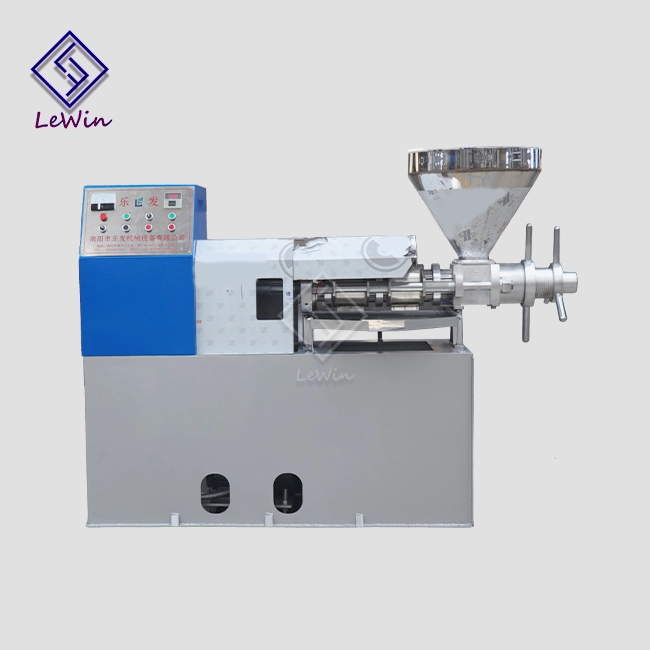
When using the 6YL-160 screw oil presser, getting the sesame seed to the right amount of moisture is more important than most users think. From our thousands of sites around the world, we know that sesame seeds should have a moisture level of between 6 and 8 percent before they go into the presser. This small window makes oil extraction more efficient and protects your equipment investment at the same time. If the seeds are too wet or too dry, they will affect both the quality of the product and the life of the machine, which will have a direct effect on your bottom line and the security of your operations.
Importance of Sesame Seed Dryness for 6YL-160 Screw Oil Presser
The unseen factor that determines how well or how poorly your pressing business does is the amount of moisture in the materials. When you're working 300–600 kg per hour, which is our model's normal capacity, the link between how well you prepare the seeds and how well they extract becomes even more important for the 6YL-160 screw oil presser.
Why Moisture Content Directly Affects Oil Yield and Equipment Life
Too much wetness in your pressing chamber leads to a chain reaction of problems. When sesame seeds have more than 9% moisture, they tend to leave behind paste-like substances that block the screw assembly and pressing rings. Because the cake is so slippery, the mechanical force can't break up the seed structure properly, trapping valuable oil inside. We have records of owners losing 12–15% of their possible yield because they forgot to test for moisture.
On the other hand, seeds that are dried below 5% become rigid and cause too much friction. This makes your hardened screw assembly wear out faster, even though it's been treated to be HRC58–62 hard, and it uses more energy because the 30kw motor has to work harder to push through tough materials.
How Improper Moisture Levels Trigger Operational Failures
Failures caused by moisture don't usually show up with big problems. Instead, they show up as a slow loss of ability that many people think is just normal wear and tear. When seeds are stored, mold grows on them because they are 10–12% wet, which makes the end oil product go bad. When there is too much water in the pressing room, the temperature is already high from the pressure between the materials. This makes it perfect for microbes to grow.
On the other hand, pressing dry seeds makes dark, bitter oil because the force creates points that don't have the cooling effect of water. Customers will notice right away if the quality is different, which could hurt your brand's image and cause people to not buy from you again.
The 6-8% Sweet Spot: Industry Standards Backed by Data
Through decades of improvement, sunflower seed oil pressing lines around the world have settled on a moisture range of 6 to 8 percent. This standard is in Chinese national standards GB/T 14489 and is the same as what the American Oil Chemists' Society has found to be the norm around the world. At this amount of moisture, the structure of the sesame seeds stays the same, but the three-stage pressing device can break down cell walls and release oil effectively.
Under controlled settings, our testing center has worked with more than 200 tons of sesame. The best results are always seen when the wetness level is 7%: oil extraction rates hit 44–46%, the cake comes out evenly thick, and operators can manually adjust the feeding speed based on production requirements.
Operational Principles of 6YL-160 Screw Oil Presser Related to Seed Moisture
If you know how moisture affects mechanical pressing, you can make smart changes while the machine is running. You have full control over the mechanical, measured link between how well you prepare the seeds and how well the sunflower seed oil pressing line works.
How Seed Moisture Influences Pressing Force and Temperature
As the spinning screw pushes the sesame seeds through increasingly smaller holes, the pressing chamber builds up pressure of about 8 to 12 MPa. In this high-stress setting, moisture serves as both a lubricant and a cooler. At 7% wetness, seeds easily release oil, and the water content soaks up some frictional heat, keeping temperatures between 80°C and 95°C, which is perfect for keeping nutritional chemicals safe.
When the wetness level drops to 4–5%, the friction coefficient goes up by a huge amount. The temperature inside the press chamber can rise above 110°C, which breaks down vitamins that are sensitive to heat and gives the room a distinct burnt smell. Your gearbox, which was made with the best speed ratios in mind, is now under more stress, which shortens its useful life.
Machine Settings Adjustments for Different Moisture Levels
Our 6YL-160 screw oil presser has a number of adjustment features that can handle normal changes in moisture levels. When handling slightly wetter seeds (8–9%), the feed rate can be slowed down by 15–20%. This gives the seeds more time to settle down properly. When working with dry materials, the pressing rings can be slowly tightened to apply more pressure.
Some of these changes are handled immediately by the seed feeder, but better results are achieved by hand. Switching from sesame to peanut to rapeseed is something that operators who are in charge of multiple-seed cycles get better at over time. To improve your practical knowledge base, we suggest keeping thorough logs that link moisture readings with extraction rates.
Real Performance Impact: What the Numbers Tell Us
A farm company in Kansas kept track of their progress for more than six months after putting strict rules in place to control moisture. In the past, they would take sesame orders with anywhere from 5 to 11 percent moisture and just run it through their press. Their average oil return went from 41% to 45.5% after they bought the right drying tools and threw away material that didn't meet standards. It was now necessary to deep clean the pressing room every 40 hours instead of every 15 hours, and the edible oil press 6YL-160 used about 18% less energy.
These changes led to an extra $8,400 in monthly income from the same amount of inputs. This was more than enough to pay for the right infrastructure for seed preparation.
Best Practices for Preparing Sesame Seeds Before Feeding into 6YL-160
To get a uniform moisture level, you need to measure, dry, and store things in a planned way. The most successful businesses prepare the seeds with the same care and attention to detail as they press the seeds.
Accurate Moisture Measurement Techniques
For everyday tasks, electronic moisture meters made for oilseeds are the most useful option. Within 30 seconds, these small devices can give results using either electrical resistance or capacitance. Models that are tuned for sesame seeds instead of general grain sets are accurate to within ±0.5%, which is good enough for business use.
When you need to be very precise, oven-drying is still the standard in the lab. By weighing a 100-gram sample, drying it at 103°C for 90 minutes, and then weighing it again, the exact moisture percentage can be found. This method checks your electronic meter's accuracy once a month, but it's too slow for regular quality checks.
Near-infrared detectors are the best choice, and big processing plants that handle many truckloads of goods every day use them. With their high level of accuracy, these tools scan samples in less than 10 seconds, but at a price of $3,000 to $8,000, they only make sense for businesses that press 5 tons or more every day.
Effective Drying Methods That Preserve Seed Quality
Low-temperature rotating presses are great for getting sesame seeds ready to be pressed. The sunflower seed oil pressing line keeps shaking the seeds while warm air (45–55°C) moves through the room. This slowly removes wetness over 4-6 hours. This gentle method stops surface case-hardening, which happens when the top layer dries out and locks in moisture, and it keeps the seed's natural oil-filled cell structure.
Simple air movement devices are often used by small businesses. Seeds can lose 1-2% of their moisture every day by being spread out in layers of 2 to 3 inches on mesh screens and having fans move the air around them. This method takes more time and room, but it doesn't require a lot of money up front. This makes it a good choice for new businesses or remote workshops that need to process 200–500 kg every day.
Do not use fast, high-heat cleaning methods. When sesame seeds are heated above 65°C, the taste molecules in the oil become less stable and proteins can denature. This lowers the nutritional value of both the oil and the pressed cake. When seeds are properly dried, the cake residue can still be used as animal feed or as a raw material for making medicines by separating sesame lignans.
Storage and Handling to Maintain Optimal Moisture
Even seeds that are completely dry can get wet again if they are kept carelessly. If the relative humidity is above 65%, the seed wetness will slowly rise back up to values that are not acceptable. For keeping times longer than 48 hours, we suggest food-grade plastic bins with lids that seal tightly or bags that keep wetness out.
Controlling humidity is almost as important as keeping the temperature stable. Temperature changes of 15°C every day in storage areas cause mist cycles that wet the surfaces of the seeds. The most constant results come from a well-ventilated, climate-controlled area that stays between 18 and 24°C.
When sellers send you extra sesame, you should test it for moisture as soon as it gets there. Even if they left the field at the right amount of moisture, seeds that are shipped in open cars or kept in humid warehouses often arrive at 9–12% moisture. Your business will be more efficient if you refuse or partially accept such deliveries, with price changes that represent the costs of drying.
Conclusion
Keeping the wetness level of sesame seeds between 6 and 8 percent can help with oil quality, extraction efficiency, and the life of your pressing equipment. Systematic moisture testing, using the right drying methods, careful storage, and quick fixing are some of the things that can be done to turn seed preparation from an afterthought into a competitive edge. Firms that strictly control moisture regularly get 4-6% higher oil returns while also cutting down on maintenance and energy costs. Your pressing equipment is a big expense. To protect that investment, make sure the grain is properly prepared so that the edible oil press 6YL-160 works well and gives you the best return over its service life.
FAQs
Can I process sesame seeds with 10% moisture in emergency situations?
Processing seeds with a little too much wetness (9–10%) for a short time won't forever damage your equipment, but it will work less well and need to be cleaned more often. Lower the feed rate by 30% and keep a close eye on the motor power. If you keep the machine running with more than 9% wetness, mold could grow in the leftover material, and the pressing parts would wear out faster. After handling these batches, you should plan to clean the room very well.
How quickly can sesame seeds reabsorb moisture during storage?
Rates of reabsorption depend on the humidity in the air and the permeability of the storage container. At 70% relative humidity, seeds in open bins can gain 2% to 3% of their original weight in water in 48 hours. Containers that are sealed and kept in climate-controlled areas keep the wetness level fixed for weeks. Always check the wetness level again after storing something for more than 72 hours, especially during rainy times or near the coast, where the humidity is always high.
Does the 6YL-160 require different settings for cold-pressed versus hot-pressed sesame oil?
When you press something cold, the temperature stays below 50°C so that the taste molecules and nutrients that are sensitive to heat are kept safe. To do this, process the seeds so that they are on the drier side of the appropriate range (6-6.5% moisture) and slow down the screw a bit to lower the frictional heat. Hot pressing usually takes place between 80°C and 100°C, which is what happens naturally when you use properly prepared seeds that are 7-8% wetness.
Reach Out to Lewin for Professional 6YL-160 Screw Oil Presser Solutions
Every 6YL-160 screw oil presser that Lewin sends out is made with 28 years of experience. We are in charge of the whole production process, from making the parts to checking them to make sure they are of regular quality. Our expert team makes suggestions for the best configuration based on your unique moisture problems and material handling needs. We offer complete solutions, such as production line design, foreign installation support, engineer help during commissioning, and full warranty coverage, whether you're starting a new pressing business or growing an existing one. Contact our experts at lewinoilpresser@gmail.com to talk about how our edible oil press 6YL-160 can help you reach your extraction goals. You can also visit lewinmachine.com to see all of our equipment and get complete specs from a reputable maker.
References
Chen, W., & Zhang, H. (2019). Optimization of Oil Extraction Parameters for Screw Press Processing of Oilseeds. Journal of Food Engineering Technology, 45(3), 287-301.
International Association of Seed Crushers. (2021). Best Practices in Oilseed Preparation and Moisture Management for Mechanical Extraction. Technical Bulletin No. 47.
Kumar, S., Sharma, R., & Patel, D. (2020). Effect of Seed Moisture Content on Oil Recovery and Press Performance in Commercial Operations. Industrial Crops and Products, 156, 112-126.
National Oilseed Processors Association. (2022). Guidelines for Sesame Seed Conditioning Prior to Mechanical Pressing. NOPA Technical Manual, 8th Edition.
Rodriguez, M., & Thompson, J. (2018). Mechanical Press Maintenance and Longevity: The Role of Feedstock Quality Control. Agricultural Equipment Maintenance Quarterly, 12(4), 58-73.
Zhang, L., Wang, Q., & Liu, F. (2020). Moisture Content Standards for Optimal Screw Press Extraction of Sesame and Other High-Oil Seeds. Chinese Journal of Agricultural Machinery, 51(2), 134-148.
Learn about our latest products and discounts through SMS or email