- English
- French
- German
- Portuguese
- Spanish
- Russian
- Japanese
- Korean
- Arabic
- Greek
- German
- Turkish
- Italian
- Danish
- Romanian
- Indonesian
- Czech
- Afrikaans
- Swedish
- Polish
- Basque
- Catalan
- Esperanto
- Hindi
- Lao
- Albanian
- Amharic
- Armenian
- Azerbaijani
- Belarusian
- Bengali
- Bosnian
- Bulgarian
- Cebuano
- Chichewa
- Corsican
- Croatian
- Dutch
- Estonian
- Filipino
- Finnish
- Frisian
- Galician
- Georgian
- Gujarati
- Haitian
- Hausa
- Hawaiian
- Hebrew
- Hmong
- Hungarian
- Icelandic
- Igbo
- Javanese
- Kannada
- Kazakh
- Khmer
- Kurdish
- Kyrgyz
- Latin
- Latvian
- Lithuanian
- Luxembou..
- Macedonian
- Malagasy
- Malay
- Malayalam
- Maltese
- Maori
- Marathi
- Mongolian
- Burmese
- Nepali
- Norwegian
- Pashto
- Persian
- Punjabi
- Serbian
- Sesotho
- Sinhala
- Slovak
- Slovenian
- Somali
- Samoan
- Scots Gaelic
- Shona
- Sindhi
- Sundanese
- Swahili
- Tajik
- Tamil
- Telugu
- Thai
- Ukrainian
- Urdu
- Uzbek
- Vietnamese
- Welsh
- Xhosa
- Yiddish
- Yoruba
- Zulu
Cold Pressed VS Hot Pressed Oil Quality Difference On 6YL-160
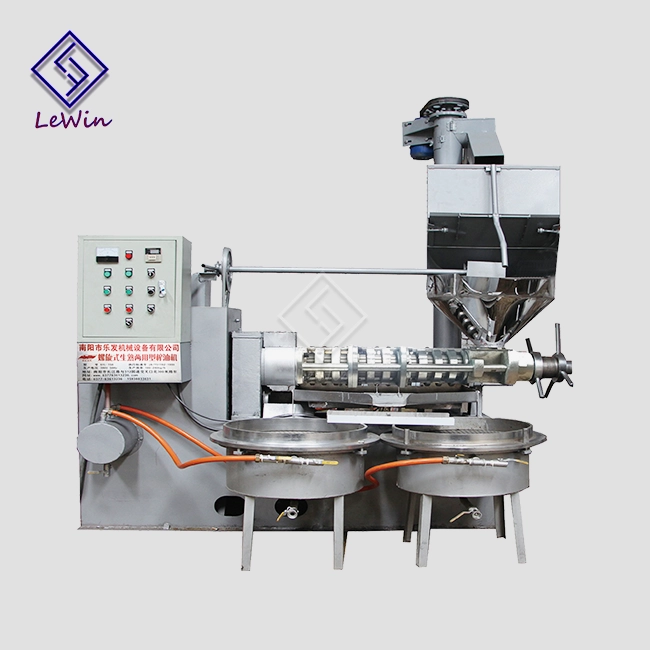
The debate between cold pressing and hot pressing remains a focal point for manufacturers and consumers alike in the edible oil production. When utilizing industrial-grade machinery like the 6YL-160 screw oil presser, understanding the nuances of these two methods is essential for optimizing oil quality, yield, and economic efficiency. The 6YL-160, a prominent model in the 6YL series (ranging from 120 to 290), is fundamentally designed as a "raw" or "cold" pressing machine, but its application in a hot pressing line reveals significant differences in the final product.
Defining the Process: Cold vs. Hot Pressing on the 6YL-160
The Cold Pressing Approach (The "Raw" Method)
On the cold press oil expeller 6YL-160, cold pressing refers to the process where raw materials (such as peanuts, soybeans, or sunflower seeds) are fed directly into the hopper without any prior thermal treatment or roasting. Because the 6YL-160 screw oil presser does not feature internal heating tubes or automated temperature management, the only heat generated is through the mechanical friction of the screw against the squeeze bars and the oil material itself.
This method is highly favored for reducing investment costs. By eliminating the need for a roasting machine, producers can significantly lower their initial equipment expenditure and reduce daily electricity or fuel consumption. It is a "pure physical" extraction that maintains the biological integrity of the oil seeds.
The Hot Pressing Approach (The "Roasted" Method)
Conversely, hot pressing involves a more complex production line. Before the material enters the 6YL-160, it must pass through a roasting machine. The seeds are heated and cooked, which alters their physical structure. While the 6YL-160 itself remains a "raw" machine (meaning it doesn't add heat during the pressing stage via heating elements), the pre-heated material undergoes extraction at high temperatures. In specialized "hot press" models, heating tubes are often added to the pressing cage to maintain temperature, but in the standard 6YL-160, the heat is carried entirely by the roasted seeds.
Oil Quality Difference: Nutritional Profile
The quality of oil is often measured by its nutrient retention. Cold pressing on the 6YL-160 screw oil presser excels in this department. Because the seeds are not subjected to high-temperature roasting, sensitive vitamins (such as Vitamin E), antioxidants, and essential fatty acids remain largely intact. The oil produced is essentially "living" oil, maintaining its natural biological activity.
Hot pressing, while more efficient in terms of volume, can lead to the degradation of some heat-sensitive nutrients. However, the roasting process triggers the Maillard reaction, which significantly enhances the oil's aroma and gives it a deeper, more "nutty" flavor profile. For consumers who prioritize the culinary scent and taste of the oil—particularly in Asian and African markets—hot-pressed oil from a 6YL-160 is often the preferred choice.
Physical Characteristics: Color and Clarity
| Feature | Cold Pressed (6YL-160) | Hot Pressed (6YL-160 + Roaster) |
|---|---|---|
| Color | Lighter, pale yellow/greenish hues. | Darker, amber or golden brown. |
| Aroma | Mild, natural scent of the raw seed. | Intense, toasted, and fragrant. |
| Transparency | High clarity after settling. | May require more filtration due to fine carbonized particles. |
The 6YL-160 screw oil press produces a very "clean" oil when cold pressing. Since there is no roasting, there is no risk of carbonizing the seed coat, which keeps the oil color light. In hot pressing, the high temperature of the roaster can slightly darken the oil. While some view this as a sign of "richness," others prefer the neutral appearance of cold-pressed oil for high-end cosmetic or pharmaceutical uses.
Extraction Efficiency and Oil Yield
One of the most critical factors for commercial operators is the oil yield. Here, the hot pressing method usually wins. By roasting the seeds, the oil cells are ruptured, and the viscosity of the oil is reduced, allowing it to flow more freely through the 6YL-160's squeeze bars.
In cold pressing, the material is harder and the oil is "thicker." Without a double screw system or pressure sensors to micro-adjust the internal force, the 6YL-160 relies purely on its mechanical design to squeeze out the oil. While the 66YL-160 screw oil press is a high-yield machine compared to hydraulic presses, cold pressing will naturally leave a slightly higher percentage of oil in the cake (the byproduct) compared to the hot pressing method.
Comparison: Screw Press (6YL-160) vs. Hydraulic Press
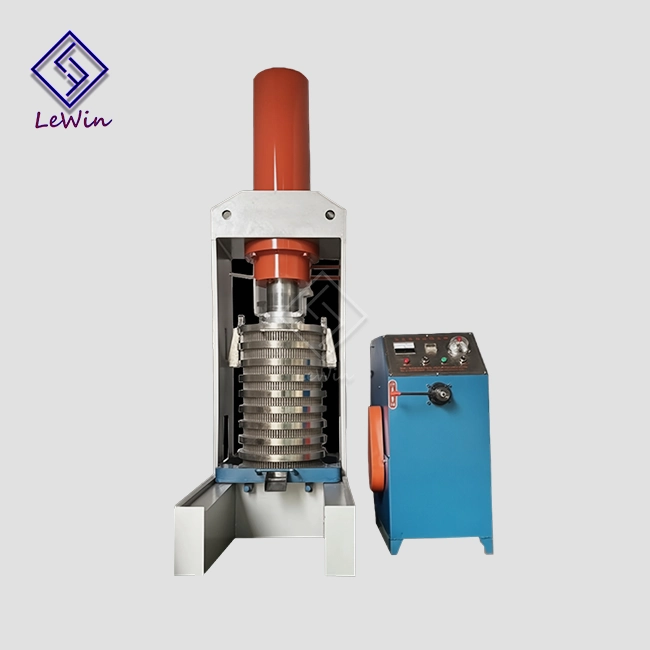
It is important to distinguish the 6YL-160 from hydraulic oil pressers, as this helps define its place in the market. The background data highlights several key differences:
Yield: The 6YL-160 (Screw Press) is designed for volume. It uses continuous extrusion to squeeze the material, which typically results in more oil extracted compared to a hydraulic press. For commercial operations where every percentage of yield matters, the 6YL-160 is the superior choice.
Maintenance: The maintenance of a 6YL-160 is more complex. Because the screw and the squeeze bars are constantly grinding against the material, they are subject to wear and tear. A hydraulic press, being a static pressure system, requires less frequent parts replacement. However, the 6YL-160's ability to handle almost any material—from peanuts to rapeseeds—makes it more versatile.
Purity: Hydraulic presses are often praised for "pure physical" pressing. While the 6YL-160 is also physical, the intense friction of the screw can sometimes introduce more "foots" (fine solids) into the oil, requiring a more robust filtration system (like a vacuum or plate-and-frame filter).
Conclusion: Which Method Should You Choose for the 6YL-160?
The 6YL-160 screw oil presser is a versatile workhorse. While it is technically classified as a "raw" or "cold" pressing machine due to its lack of internal heating elements, it is more than capable of performing in a hot-pressing capacity when paired with a roaster.
If your goal is Oil Quality in terms of health, vitamins, and natural purity, Cold Pressing is the winner. It preserves the seed's natural essence and saves you money on auxiliary equipment.
If your goal is Oil Quality in terms of aroma, shelf-life (roasting kills certain enzymes that cause rancidity), and Maximum Profit via higher yields, then Hot Pressing is the way to go.
FAQ
Can the 6YL-160 switch between cold and hot pressing modes?
Yes, the 6YL-160 screw oil presser can handle both ways. However, optimizing for one method will give you better results than trying to switch between them often. It usually takes between 4 and 6 hours to switch between ways because of all the cleaning, temperature system adjustments, and practical parameter changes that need to be made. Instead of constantly converting single machines, facilities that work with a wide range of materials often set aside special units for each method.
Which seed types benefit most from cold pressing on this equipment?
Cold pressing is best for seeds that are high in heat-sensitive nutrients and have unique tastes. Flaxseed, hemp seed, walnut, sesame, pumpkin seed, and specialty types like perilla or sacha inchi keep their healthy omega-3 fatty acids, antioxidants, and unique tastes that make them worth being put in the top market. On the other hand, seeds with lower real value, like sunflower, rapeseed, and soybean for commodity markets, usually do better financially when they are hot pressed.
How does temperature control affect oil yield and quality specifically?
Temperature has a direct effect on the density of oil and the stability of its cells. When temperatures drop below 60°C, oils stay thicker, which means they drain more slowly from press tanks and remove 5–8% less oil than when they are hot-pressed. This temperature range protects vitamins and enzymes that are damaged by heat, keeping the nutritional value high. Lower viscosity speeds up drainage and softens seed structures above 80°C. This makes mechanical separation better but breaks down compounds that are easily damaged by heat and starts chemical reactions that change the flavor and color profiles.
Partner With Lewin For Your 6YL-160 Screw Oil Presser Requirements
To get the most out of your oil production, you need to meet with manufacturing experts who have done it before. Lewin has been an expert in designing and building 6YL-160 screw oil pressers for 28 years, and they work reliably in both hot and cold pressing situations. As direct makers and not middlemen, we are in charge of all aspects of quality, from choosing the materials to checking them one last time. This means that your 6YL-160 screw oil press supplier will only send you equipment that can handle harsh production settings.
The skilled technical and design teams at our company can make solutions that are truly unique to your seeds, quality goals, and production numbers. We provide full support, including advice from engineers, help with installation in other countries, full production line design, detailed blueprint paperwork, quick customer service after the sale, and the best insurance coverage in the industry. Whether you're starting a small specialty oil business or increasing the size of a big industrial operation, our team can help you find the right technical information and equipment setups to turn processing problems into competitive benefits. You can talk to us about how our 6YL-160 screw oil presser setups can improve the quality of your oil and the economy of your production by emailing lewinoilpresser@gmail.com or visiting lewinmachine.com.
References
Johnson, M. & Chen, H. (2021). "Nutritional Comparison of Cold-Pressed and Heat-Processed Vegetable Oils: Impact on Bioactive Compounds." Journal of Food Science and Technology, 58(4), 1456-1468.
Rodriguez, A. et al. (2020). "Mechanical Oil Extraction Technologies: Efficiency, Quality, and Sustainability Analysis." International Journal of Food Engineering, 16(3), 245-261.
Patel, S. & Kumar, R. (2022). "Temperature Effects on Oil Quality During Screw Press Extraction: A Comprehensive Study." Food Chemistry, 374, 131-142.
Thompson, L. (2019). "Industrial Oil Processing Equipment: Design, Operation, and Maintenance Best Practices." Food Processing Technology Press, 3rd Edition.
Zhang, W. & Morrison, K. (2023). "Comparative Analysis of Cold and Hot Pressing Methods in Commercial Oilseed Processing." Agricultural Engineering International Journal, 25(1), 89-104.
Williams, D. et al. (2020). "Oxidative Stability and Shelf Life Prediction of Mechanically Extracted Oils." Journal of the American Oil Chemists' Society, 97(8), 923-936.
Learn about our latest products and discounts through SMS or email