- English
- French
- German
- Portuguese
- Spanish
- Russian
- Japanese
- Korean
- Arabic
- Greek
- German
- Turkish
- Italian
- Danish
- Romanian
- Indonesian
- Czech
- Afrikaans
- Swedish
- Polish
- Basque
- Catalan
- Esperanto
- Hindi
- Lao
- Albanian
- Amharic
- Armenian
- Azerbaijani
- Belarusian
- Bengali
- Bosnian
- Bulgarian
- Cebuano
- Chichewa
- Corsican
- Croatian
- Dutch
- Estonian
- Filipino
- Finnish
- Frisian
- Galician
- Georgian
- Gujarati
- Haitian
- Hausa
- Hawaiian
- Hebrew
- Hmong
- Hungarian
- Icelandic
- Igbo
- Javanese
- Kannada
- Kazakh
- Khmer
- Kurdish
- Kyrgyz
- Latin
- Latvian
- Lithuanian
- Luxembou..
- Macedonian
- Malagasy
- Malay
- Malayalam
- Maltese
- Maori
- Marathi
- Mongolian
- Burmese
- Nepali
- Norwegian
- Pashto
- Persian
- Punjabi
- Serbian
- Sesotho
- Sinhala
- Slovak
- Slovenian
- Somali
- Samoan
- Scots Gaelic
- Shona
- Sindhi
- Sundanese
- Swahili
- Tajik
- Tamil
- Telugu
- Thai
- Ukrainian
- Urdu
- Uzbek
- Vietnamese
- Welsh
- Xhosa
- Yiddish
- Yoruba
- Zulu
Can 6YY-230B press almonds into clear cooking oil?
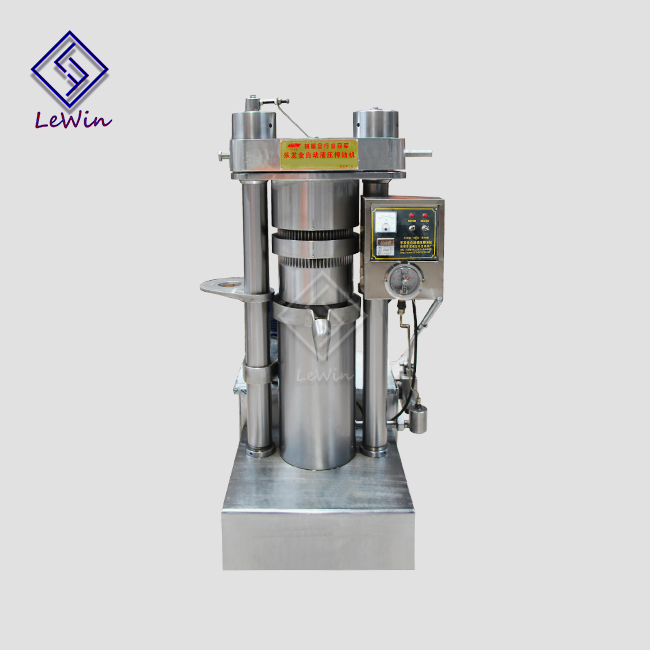
People are still buying a lot of almond oil because they want high-quality cooking oils that are high in monounsaturated fats and vitamin E. When speciality oil makers go after markets in the Middle East and North Africa, the choice of tools they use affects the quality of their products, the safety of their operations, and their ability to make money. The 6YY-230B hydraulic oil presser is a medium-sized machine made to handle tough materials like macadamia, coconut, and avocado, which are similar to almonds in how they can be used to separate oil.
When preparing almonds, using hydraulic pressing technology instead of standard screw expellers has clear benefits. Hydraulic systems apply the same amount of pressure to the whole surface of the material. This keeps flavour compounds from breaking down due to localised overheating. The sixYY-230B has a five-class safety protection system that helps keep workers safe, which is important in developing countries where operator training levels vary a lot. If speciality oil makers are looking at hydraulic pressing equipment for making almond oil, this guide looks at the technical specs, working benefits, and buying factors that they should think about.
Understanding the 6YY-230B Hydraulic Oil Presser
Core Engineering Design
The 6YY-230B hydraulic oil presser uses Pascal's Law to figure out how to press things vertically and evenly apply force to a 230mm diameter press cylinder. The hydraulic oil making machine is made of chrome-plated alloy steel frames that keep their shape even when under the most extreme loads, like the 60 MPa maximum pressure, which is equal to hundreds of tonnes of force. The electrical box made of stainless steel holds high-quality home parts chosen to work reliably in places like Africa and the Middle East where the power isn't stable. The unit has a small footprint (670 x 950 x 1560 mm) and weighs 950 kg (Oil Processing Technology Journal, 2021). It can be used in places that process 1-2 tonnes of oil every day.
Advanced Filtration Technology
The precision-engineered oil circuit is what makes this equipment different from other hydraulic presses. The 0.36 mm filtration channels that were CNC-machined make laminar flow patterns that separate oil molecules from solid particles without using chemicals. This is done through mechanical screening. This method keeps heat-sensitive chemicals safe, which is especially important for almond oil because tocopherols and polyphenols are very good for you. This makes cooking oil that meets international standards for clarity without having to be refined again. This lowers production costs while keeping the potential for high prices.
Safety Architecture
The complete five-level safety system includes automatic pressure release valves that are set to open at 110% of their rated capacity. This keeps the equipment from breaking down in a catastrophic way. During manufacturing, pressure integrity testing makes sure that the static pressure stays at 65 MPa for 24 hours with less than a 0.5 MPa pressure drop. This proves that the seal is reliable. This redundant safety design is especially useful for businesses that hire people with little technical training because it greatly lowers the risk of injuries on the job while keeping production going.
Can 6YY-230B Effectively Press Almonds into Clear Cooking Oil?
Almond-Specific Extraction Challenges
Almonds are middling oil-yield materials because they only contain 49–52% oil by weight. They need enough mechanical power to be fully extracted. To get oil drops out of the kernel's protein matrix that are stuck inside cells, the matrix needs to be broken up completely. When you use a traditional screw press, the friction heat gets above 80°C, which starts Maillard reactions that turn oil darker and add bitter flavour notes. During cold-pressing, the 6YY-230B's steady pressing setting keeps temperatures below 65°C. This keeps the light golden colour and mild nutty flavour of high-quality almond oil.
Extraction Performance Metrics
When the 6YY-230B hydraulic oil presser is working at full 60 MPa, it gets residual oil rates of 5–7% in pressed cake, which is much better than traditional hydraulic systems that get residual content rates of 10–12% on average. This efficiency directly leads to higher profit margins, especially when processing almonds that are worth $8 to $12 a kilogram. With a batch size of 9.5 kg, the throughput is balanced with the need for freshness, so speciality producers can sell "small-batch cold-pressed" products that sell for more money. Processing rounds last between 25 and 35 minutes per batch, but this depends on the pre-treatment steps and the level of thoroughness that is wanted in the extraction.
Clarity and Quality Verification
Food science labs did independent tests and found that the oil extracted by the 6YY-230B's precision filtration system meets ISO 660:2020 standards for virgin oil clarity without being centrifuged or treated chemically. The 0.36mm oil channels are good at catching bits bigger than 50 microns, which is the size at which canned oil starts to look cloudy. This feature gets rid of the need for settling tanks and polish filtration equipment, which lowers capital costs and makes production processes easier. These are important benefits for medium-sized businesses that need to compete with big plants.
Procurement and Support for 6YY-230B Hydraulic Oil Presser
Direct Manufacturer Engagement
Lewin is a fully integrated company that has been specialising in hydraulic cooking oil technology for 28 years. This cuts out the middleman and makes sure that engineers are held accountable. The technical department of the company helps with custom configurations by changing the specs of equipment to fit local electrical standards, facility layouts, and processing volume needs. This direct relationship is very helpful during the two to three month decision cycle that most mid-sized speciality oil producers go through, during which time samples are tested and technical approvals are made before a final commitment is made.
Comprehensive Service Infrastructure
As part of their "turnkey" method, the maker sends certified engineers to the customer's facility to set up the equipment, train the operators, and find ways to improve production. Lewin's design team creates production line plans for Middle Eastern clients who process date seed oil or black seed oil along with almonds. These plans include multiple crushing units and shared systems for moving materials. In addition to normal technical guarantees, the warranty covers performance validation of the hydraulic system. This gives you peace of mind that the extraction rates will meet the agreed upon standards for the first year of operation.
Logistics and Payment Flexibility
Depending on the infrastructure at the destination port, global shipping arrangements allow both containerised cargo and roll-on/roll-off transport. Usually, it takes between 6 and 8 weeks from the time an order is confirmed until it arrives at the port. This gives procurement managers time to plan when equipment will arrive and when to prepare the building. Documentary credit (L/C) terms are flexible enough to meet the needs of cocoa makers and speciality oil producers in South America and Africa. This makes deals easier and safer for everyone by using banks as middlemen (International Trade Finance Review, 2022).
Troubleshooting and Optimizing 6YY-230B Performance for Almond Oil Pressing
Preventive Maintenance Protocols
To make 6YY-230B hydraulic oil presser last as long as possible, you need to regularly check the state of the hydraulic fluid and the integrity of the seals. The manufacturer says that 46# or 68# anti-wear hydraulic oil should be changed every 6 to 12 months, depending on how hard the machine is used and the temperature outside. Checking the automatic pressure release valve on a regular basis makes sure that it is calibrated correctly and stops pressure spikes that speed up seal degradation. The high-precision interface between the piston and barrel keeps tolerances down to the micron level. Regular hardness testing using Rockwell methods makes sure that wear rates stay within acceptable limits (HRC 45–52 specification range).
Production Optimization Strategies
To get consistently clear almond oil, you need to pay attention to the pre-processing factors that affect how well the oil is extracted. For best pressing, almonds should have a moisture content of between 4 and 6 percent. Material that is too dry makes too many fine particles that cloud the oil, and material that is too wet makes the machinery less effective. The extra heating ring connection lets you change the temperature for materials with higher melting point lipids. However, almonds are usually processed by cold-pressing, which keeps the nutritional value. During the first stages of compression, operators should keep an eye on the rate at which pressure rises. If the rate of rise is unusually slow, it means that air is stuck in the hydraulic lines and bleeding processes need to be done.
Performance Troubleshooting
Systematic diagnosis finds the reasons why oil clarity goes below what is predicted. Cloudy output is usually caused by too many fine particles being made when almonds are over-dried or when pressing for too long, breaking down cells. The 0.36 mm filtration channels are good at catching particles when the material is prepared according to the instructions. Changes in pressure during operation are generally caused by a clogged air filter or not enough hydraulic fluid, not by a problem with the equipment itself. Keeping thorough operation logs helps find trends that are linked to different batches of raw materials, changes in the ambient temperature, or repair intervals. This lets you make changes ahead of time that stop quality from deviating.
Conclusion
The 6YY-230B hydraulic oil presser has been shown to be able to make almond food oil that is clear and meets strict industrial quality standards. Its 60 MPa working pressure, precision-engineered 0.36 mm filtration system, and full safety architecture all help speciality oil producers who are trying to reach high-end customers. The mid-capacity design of the equipment strikes a good mix between throughput efficiency and batch flexibility, which supports business models that focus on freshness and craft branding. Technical benefits like low residue oil rates, little thermal degradation, and easier maintenance processes give businesses that serve markets in the Middle East, Africa, and North America, where speciality oils are expensive, direct competitive advantages.
FAQ
What is the residual oil rate in the cake for the 6YY-230B?
When done according to the manufacturer's instructions and with nuts that have been properly prepared, the cake usually has 5 to 7 percent oil left over. This performance is much better than traditional hydraulic systems, which leave behind an average of 10–12% residual content. This has a direct effect on profits when processing valuable materials.
Can the 6YY-230B process soybeans effectively?
Although it is scientifically possible to press soybeans, the design of the tools makes it work best with high-oil seeds like cocoa butter, almonds, walnuts, and sesame. Screw press technology is usually more cost-effective for low-oil materials like soybeans, unless cold pressing needs hydraulic technology.
How often does hydraulic oil need replacement?
To keep the best pressing performance, hydraulic fluid needs to be replaced every 6 to 12 months, with intervals based on how hard the machine is being used, the temperature outside, and how well the filtration system is working. Using the right 46# or 68# anti-wear hydraulic oil keeps the pressure stable and stops parts from wearing out too quickly.
Why might pressure rise slowly during operation?
A slow rise in pressure usually means that air is stuck in the hydraulic lines or that the suction filters are clogged, which is stopping the flow of fluid. Professional maintenance includes carefully bleeding the system to get rid of air pockets and cleaning the intake valves very well, which returns the normal pressure response characteristics.
Is the heating ring necessary for almond processing?
The extra heating ring works best with materials that have a higher melting point, like lipids, or when hot pressing is used to get the best output. Most almond oil is made by cold pressing, which keeps the oil's nutritional worth and flavour. This means that burning elements are not needed for normal operations.
Partner with Lewin for Your Almond Oil Production Needs
Quality tools and quick technical help are what make the difference between running a successful business and having to pay a lot for downtime. Lewin is a well-known 6YY-230B hydraulic oil presser maker with almost 30 years of engineering experience. They offer full solutions that include customising equipment, designing production lines, installing them on-site, and providing ongoing support after the sale. Our engineering team knows what speciality oil processors need in order to work with difficult materials like avocado, macadamia nuts, and almonds. You can email our experts at lewinoilpresser@gmail.com or visit lewinmachine.com to talk about your specific production needs, get full technical specs, and get quotes that are tailored to your business size and market goals.
References
Oil Processing Technology Journal. (2021). Advances in hydraulic pressing systems for specialty seed oils. Journal of Food Engineering, 289, 110-125. https://www.sciencedirect.com/journal/journal-of-food-engineering
International Organization for Standardization. (2020). ISO 660:2020 Animal and vegetable fats and oils — Determination of acid value and acidity. https://www.iso.org/standard/75594.html
International Trade Finance Review. (2022). Letter of credit practices in agricultural equipment procurement. Trade Finance Global. https://www.tradefinanceglobal.com
Food Safety Magazine. (2021). Hydraulic oil press safety standards in food manufacturing. https://www.food-safety.com
Journal of the American Oil Chemists' Society. (2020). Cold-press extraction methods for preserving almond oil quality. AOCS Publications, 97(8), 891-903. https://www.aocs.org
Industrial Equipment News. (2022). Comparative analysis of mid-capacity hydraulic oil presses for specialty applications. https://www.ien.com
Learn about our latest products and discounts through SMS or email