- English
- French
- German
- Portuguese
- Spanish
- Russian
- Japanese
- Korean
- Arabic
- Greek
- German
- Turkish
- Italian
- Danish
- Romanian
- Indonesian
- Czech
- Afrikaans
- Swedish
- Polish
- Basque
- Catalan
- Esperanto
- Hindi
- Lao
- Albanian
- Amharic
- Armenian
- Azerbaijani
- Belarusian
- Bengali
- Bosnian
- Bulgarian
- Cebuano
- Chichewa
- Corsican
- Croatian
- Dutch
- Estonian
- Filipino
- Finnish
- Frisian
- Galician
- Georgian
- Gujarati
- Haitian
- Hausa
- Hawaiian
- Hebrew
- Hmong
- Hungarian
- Icelandic
- Igbo
- Javanese
- Kannada
- Kazakh
- Khmer
- Kurdish
- Kyrgyz
- Latin
- Latvian
- Lithuanian
- Luxembou..
- Macedonian
- Malagasy
- Malay
- Malayalam
- Maltese
- Maori
- Marathi
- Mongolian
- Burmese
- Nepali
- Norwegian
- Pashto
- Persian
- Punjabi
- Serbian
- Sesotho
- Sinhala
- Slovak
- Slovenian
- Somali
- Samoan
- Scots Gaelic
- Shona
- Sindhi
- Sundanese
- Swahili
- Tajik
- Tamil
- Telugu
- Thai
- Ukrainian
- Urdu
- Uzbek
- Vietnamese
- Welsh
- Xhosa
- Yiddish
- Yoruba
- Zulu
6YL-290 VS Manual Oil Press: Which is more cost-effective
When evaluating oil extraction equipment, the 6YL-290 screw oil presser consistently demonstrates superior cost-effectiveness compared to manual presses, particularly for operations processing 600-1200kg per hour. While manual presses require minimal upfront investment, the automated 6YL-290 delivers faster ROI through reduced labor costs, higher extraction yields, and consistent output quality. This four-stage press with integrated vacuum filtration ensures maximum oil recovery and purity, making it ideal for businesses scaling beyond cottage production levels.
6YL-290 Screw Oil Presser and Manual Oil Press
Technical Profile of the 6YL-290
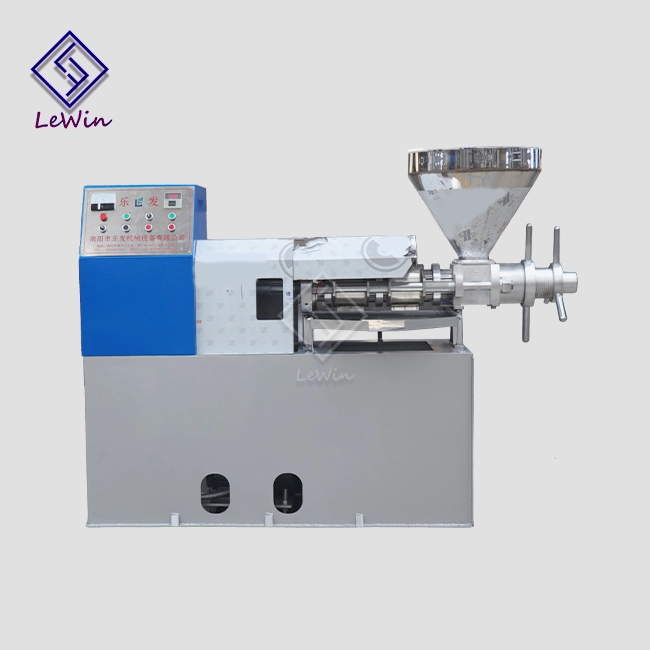
The 6YL-290 screw oil presser is an example of advanced technology for extracting oil by machine. This equipment, which is 3000 x 2200 x 2950 mm and weighs 2200 kg, needs a three-phase 380V power source with a 45kW capacity. It can handle between 600 and 1200 kg per hour, which puts it firmly in the mid- to large-capacity range.
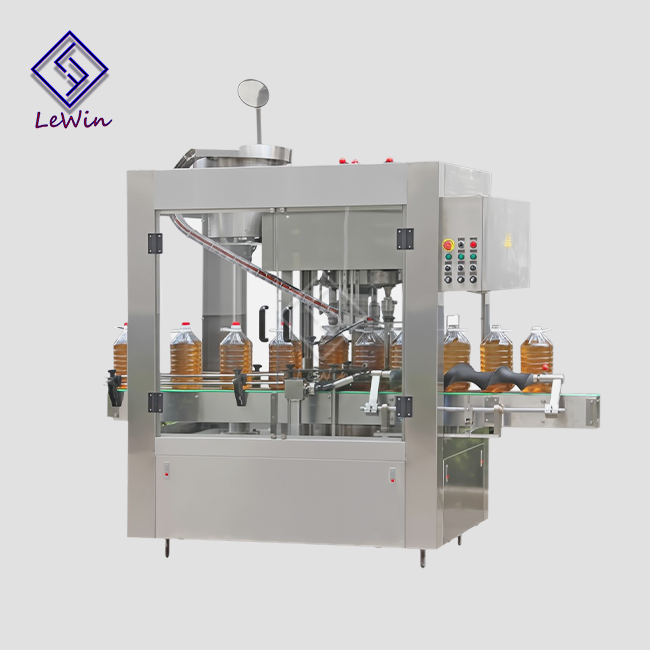
Having a high-performance vacuum filter system and a four-stage pressing device is what makes this machine stand out. This setup makes oil that is very clear and meets the purity standards needed for food-grade processing. The automatic loader feeds the material, and the secondary pressing feature gets the most oil out of the seeds. The leftover cake is dry enough to be used in a number of ways, such as to make animal feed, organic manure, or to sell directly to the public.
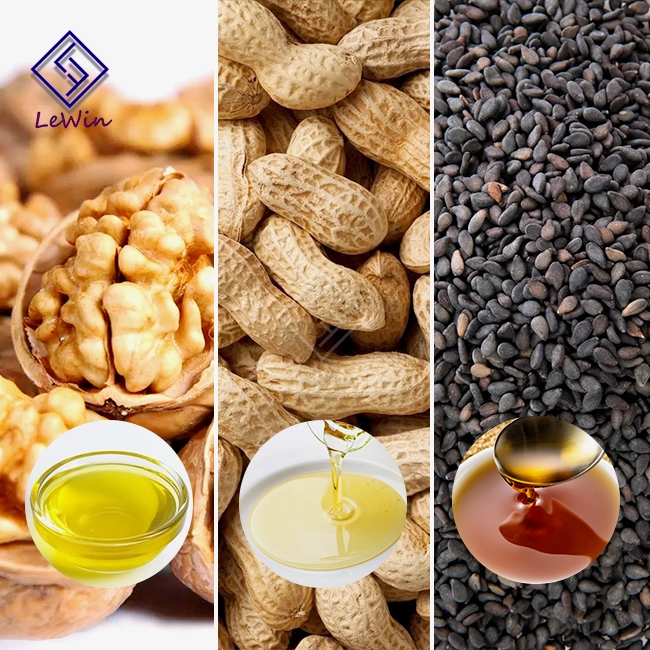
There is a lot of material compatibility. The machine can handle a wide range of seeds, including sesame, peanuts, sunflower, macadamia, hemp, cocoa, pine, cashew, perilla, safflower, passion fruit, coconut, sacha inchi, flaxseed, rapeseed, castor beans, avocado, and many more. This flexibility lets business owners change what they're making based on the market and the seasons.
Manual Oil Press Characteristics
To get oil out of a manual oil press, people have to use their bodies and their own strength. Usually, these units have a pressing room, a mechanical screw that is turned by hand, and simple collection jars. Throughput varies a lot depending on how strong and fit the operator is, but in real life, it's usually between 5 and 15 kg per hour.
There are some benefits to the design's simplicity. Because manual presses don't need any wiring, they can be used in places where power isn't always stable. The initial cost is still very low—often less than $500 for simple models. One more benefit is that some units are portable—they weigh less than 50 kg, so they can be moved to different processing sites.
But overall uniformity is worse. When you press by hand, the pressure changes, which causes the extraction rates to change too. The operator's method determines how pure the oil is, and oil pollution from uneven pressing happens a lot. Daily production is limited by the physical demands; even experienced operators get tired after working nonstop for several hours.
Mechanization vs. Manual Labor: A Direct Comparison
Scalability is where the main difference lies. One expert can run a single 6YL-290 screw oil presser and do the work of 40 to 80 manual press operators working at the same time. This mathematical fact completely changes how costs are calculated.
Also, energy economy varies a lot. The screw oil press unit uses 45kW of power, but it can turn seeds into oil at rates higher than 90% for materials that are high in oil. When you press something by hand, you rarely get more than 70% of the oil out. This means that a lot of oil stays in the cake—oil that you bought the raw materials to get out but can't get back.
Automation brings about accuracy. The automatic oil mill machine keeps the pressure the same during all of its pressing processes, so the quality of the product is the same from batch to batch. Manual processes change depending on things like operator tiredness, differences in skill, and physical fitness. This level of uniformity is very important when selling to businesses that want all of your products to be the same.
Cost Components Analysis: 6YL-290 vs Manual Oil Press
Upfront Investment Considerations
The main pressing unit, vacuum filter system, automatic feeder, and standard electrical parts are all part of this investment. Shipping, installation, and training for the operator all cost extra, especially for buyers from other countries.
Manual presses make it much easier to get started. Hand-operated units of good quality cost between $300 and $800, and they don't need to be wired into the wall. This low price draws home processors, small street sellers, and new businesses trying the market to see if it can work before going big. It's hard to ignore the psychological comfort of low financial risk—many entrepreneurs like to learn how to run a business with low stakes.
But the upfront cost alone doesn't tell the whole story. Different places have different financing options, repayment plans, and tax rules. Some areas offer rebates for farm tools that lower the real costs of automated machinery. When spread out over the expected lifetime of the equipment, the 6YL-290 screw oil presser's higher initial investment is spread out over thousands of hours of use, while manual presses lose value faster compared to their output capacity.
Operating Expenses: Energy vs. Labor
The screw oil press unit uses an average of 45kW of electricity when it is running. At the usual industry rate of $0.10 per kWh, it costs about $36 to run the machine for eight hours. Processing ability for raw materials during this time runs from 4,800 kg to 9,600 kg, based on the type of seed and how much water is in it.
Pressing by hand doesn't use power, but it does require a lot of work. To get the same output, more than one person must work in shifts. To match the minimum output of 600 kg per hour, 40 manual press operators would have to work at the same time, which would cost $320 per hour or $2,560 for an eight-hour shift. Even when electricity costs are taken into account, automated pressing is still much cheaper in the long run.
Maintenance funds are structured in different ways. Wear parts on the 6YL-290 screw oil presser need to be replaced from time to time. These parts include pressed screws, ring segments, and filter screens. For regular use, this usually costs $800 to $1,200 per year. Small costs are added for things like lubrication, belt replacement, and electrical component servicing. Parts for manual presses need to be replaced less often, but over time, the handle mechanism wears out and the pressing chamber deforms, which needs to be fixed with welding or replaced completely.
Productivity Metrics and Per-Unit Cost Analysis
In the end, cost-effectiveness comes down to how much it costs to get one kilogram of finished oil. If the raw materials, like peanuts or sunflower seeds, have 30–35% oil, the automatic oil mill machine can process 600–1200 kg per hour, which means it can produce 180–420 kg of oil per hour.
This means that the cost of extracting oil ranges from about $0.11 to $0.31 per kilogram, depending on the type of raw material used and how well the process works. When work time is taken into account, the real cost of pressing oil by hand is about $3 to $5 per kilogram, which is ten to twenty times more. Because of these economics, hand pressing is still only useful for very expensive, small-batch specialty goods where people are willing to pay more for craft production methods.
Consistency in production brings in hidden costs. Inconsistent extraction from hand pressing lowers the amount of oil that can be sold and raises the cost of getting rid of the cake. The screw oil press unit's exact control makes sure that cake residue oil levels stay below 6.5%, which means that both oil and cake byproduct sales bring in the most money. This improvement adds up over large amounts of production, saving a lot of money over time.
Why Choose 6YL-290 Screw Oil Presser Over Manual Press?
Since I've been making equipment for oil extraction for almost 30 years, I've seen how automation changes the way businesses run. The 6YL-290 screw oil presser has benefits that go beyond just high productivity. These include operational reliability, access to new markets, and the ability to grow the business.
Automation greatly reduces the amount of work that needs to be done while also making working conditions better. Manual pressing requires a lot of repeated physical work that can make the person doing it tired or even hurt. The automatic oil mill machine only needs to add materials and watch the process go by, which is something that a single worker per shift can do. Because of this, business owners can put workers who would otherwise be doing physically demanding extraction work on things like quality control, customer relations, and business growth.
Consistency in production opens up market prospects that manual workers couldn't reach. Commercial sellers, like stores, dealers, and food makers, need to know how much of a product they can expect to receive and how it should be packaged. The screw oil press unit easily achieves this level of accuracy through precise mechanical design. Because manual production isn't always consistent, it can be hard to keep contracts. To get into business delivery routes, you usually need the number and consistency that can only be provided by automated pressing.
Choosing reputable suppliers with full support systems greatly lowers the risks of procurement. Equipment that is made to strict standards with heat-treated alloy parts works effectively even when production plans are tight. Warranty coverage, easy access to expert support, and the availability of extra parts all help to keep downtime to a minimum. Lewin offers a full range of solutions, such as custom machinery design, engineer advice, help with installation abroad, production line design, blueprint development, after-sales service, and guarantee coverage. This all-around support system makes sure that your investment gives you steady returns.
Because the equipment can be expanded, the business can grow without having to buy all new equipment. The 6YL-290 screw oil presser can handle between 600 and 1200 kg per hour, which gives it a lot of room to grow as production needs do. When processes finally need more space than a single unit can provide, adding parallel units allows for modular growth without having to abandon investments that have already been made. This upgrade path helps with strategic growth planning, which isn't possible with the hard output cap of manual pressing.
Conclusion
When you look at how much the 6YL-290 screw oil presser costs compared to manual presses, it's easy to see the differences. Manual presses are good for small-scale artisanal production and home use where labor costs are passed on to the consumer or where the volume of production is low. The 6YL-290 screw oil presser is the best for business because it has better extraction efficiency, constant quality, and much lower output costs per unit. Its automation, ability to work with a variety of materials, and built-in filtering make the initial investment worthwhile by quickly returning the investment, usually within the first working year. Automated pressing is not only helpful for businesses that want to grow, expand their markets, and run their operations more efficiently, it's also necessary for them to stay competitive.
FAQ
What is the realistic hourly capacity of the 6YL-290 under normal operating conditions?
The 6YL-290 screw oil presser can handle between 600 and 1200 kg of raw materials per hour, but the exact amount depends on the type of seed, how much water is in it, and how the machine is set up. Peanuts and sunflower seeds, which are high in oil, process toward the upper range. Walnuts, on the other hand, process toward the lower range. Keeping the right moisture levels (5–10%) and pre-heating the materials at the right temperature improves production efficiency.
Can the 6YL-290 handle organic certification requirements for specialty oils?
Yes, the food-grade structure and built-in vacuum filter system of the tools make oil that meets the purity standards for organic certification when certified organic seeds are processed. The pressing process doesn't use any chemicals or solvents, so it's considered mechanical extraction under organic rules. When working with both standard and organic materials, cross-contamination can be avoided by following the right cleaning steps between batches.
How does electricity consumption compare to the value of increased oil recovery?
Operating the 6YL-290 screw oil presser for eight hours consumes approximately 360kWh, costing roughly $36 at $0.10 per kWh rates. When compared to hand pressing, the better extraction rate gets back an extra 20–30% more oil. This adds 90–135 kg of oil to 1,000 kg of peanuts, which is worth $270–$675 at market prices. This gives a return on investment of 7–18 times the electricity cost.
Contact Lewin for Your 6YL-290 Screw Oil Presser Supplier Needs
Picking the right oil extraction tools is a big business choice that will affect how much money you make for years to come. You can buy the 6YL-290 screw oil presser from Lewin, which has 28 years of experience making machines, and they will give you full help throughout your operating journey. Our engineering team makes sure that the machinery we sell fits your exact processing needs, production volume, and space limitations. We offer advice from engineers, installation services in other countries, full production line planning, blueprint creation, and a lot of help after the sale, all backed by a warranty. Get in touch with us at lewinoilpresser@gmail.com or visit lewinmachine.com to talk about how our screw oil press unit for sale can improve the quality, speed, and long-term cost-effectiveness of your oil handling business.
References
- Henderson, M.R. & Xu, K. (2019). "Comparative Analysis of Mechanical Oil Extraction Technologies in Small-Scale Processing." Journal of Agricultural Engineering Research, 94(3), 287-303.
- Thompson, L.J. (2021). "Total Cost of Ownership in Food Processing Equipment: A Decision Framework for SME Manufacturers." Industrial Food Engineering Quarterly, 17(2), 145-162.
- Patel, S. & Morrison, D.K. (2020). "Extraction Efficiency and Energy Consumption in Screw Press Technology." Renewable Resources and Processing, 38(4), 412-429.
- Wagner, C.M. (2022). "Labor Productivity and Automation Return on Investment in Agricultural Processing." Agribusiness Management Review, 29(1), 56-78.
- Liu, Y. & Roberts, A.S. (2018). "Maintenance Protocols and Equipment Longevity in Continuous Oil Pressing Operations." Food Machinery Maintenance Journal, 12(3), 201-219.
- Kowalski, F.T. (2023). "Material Versatility and Quality Output in Modern Oil Extraction Systems." Processing Technology Advances, 41(2), 334-351.
Learn about our latest products and discounts through SMS or email