- English
- French
- German
- Portuguese
- Spanish
- Russian
- Japanese
- Korean
- Arabic
- Greek
- German
- Turkish
- Italian
- Danish
- Romanian
- Indonesian
- Czech
- Afrikaans
- Swedish
- Polish
- Basque
- Catalan
- Esperanto
- Hindi
- Lao
- Albanian
- Amharic
- Armenian
- Azerbaijani
- Belarusian
- Bengali
- Bosnian
- Bulgarian
- Cebuano
- Chichewa
- Corsican
- Croatian
- Dutch
- Estonian
- Filipino
- Finnish
- Frisian
- Galician
- Georgian
- Gujarati
- Haitian
- Hausa
- Hawaiian
- Hebrew
- Hmong
- Hungarian
- Icelandic
- Igbo
- Javanese
- Kannada
- Kazakh
- Khmer
- Kurdish
- Kyrgyz
- Latin
- Latvian
- Lithuanian
- Luxembou..
- Macedonian
- Malagasy
- Malay
- Malayalam
- Maltese
- Maori
- Marathi
- Mongolian
- Burmese
- Nepali
- Norwegian
- Pashto
- Persian
- Punjabi
- Serbian
- Sesotho
- Sinhala
- Slovak
- Slovenian
- Somali
- Samoan
- Scots Gaelic
- Shona
- Sindhi
- Sundanese
- Swahili
- Tajik
- Tamil
- Telugu
- Thai
- Ukrainian
- Urdu
- Uzbek
- Vietnamese
- Welsh
- Xhosa
- Yiddish
- Yoruba
- Zulu
Why 6YL-160 is the best choice for small edible oil production line?
The 6YL-160 screw oil presser is the best machine for small edible oil production lines because it has the right amount of volume, efficiency, and longevity. This three-stage pressing machine can handle 300–600 kg/h of over 30 different oilseeds, such as peanuts, sunflower seeds, hemp, and walnuts. It keeps high extraction rates and low operating costs. Its seed feeder and strong gearbox ensure stable performance, making it perfect for new oil mills, rural groups, and medium-sized processors that need consistent output without frequent breaks.
Core Features of the 6YL-160 Screw Oil Presser
The engineering behind the 6YL-160 screw oil presser is the result of many years of improving technology for getting oil out of the ground. Lewin has spent 28 years perfecting tools that can meet the needs of real-world production. This model shows how dedicated we are to accuracy and dependability.
Technical Specifications Designed for Performance
The motor is 30kW and runs on 3-phase 380V power. It has enough force to handle 300–600 kg of raw materials per hour. The unit, which is 2650 mm long, 1900 mm wide, and 2700 mm high, weighs 1,900 kg and has the structural stability needed for ongoing use in industrial settings. This size is a good compromise between being small enough for spaces with limited floor room and strong enough to handle heavy daily use.
The three-stage pressing device puts a lot of pressure on the cylinder, which completely separates the oil from the seed material. This progressive compression system squeezes the cake more than once, which increases yield while decreasing waste compared to single-stage models that leave a lot of oil in the cake. Operators say that mining rates regularly beat industry standards, which directly leads to higher profit margins.
Versatility Across Raw Materials
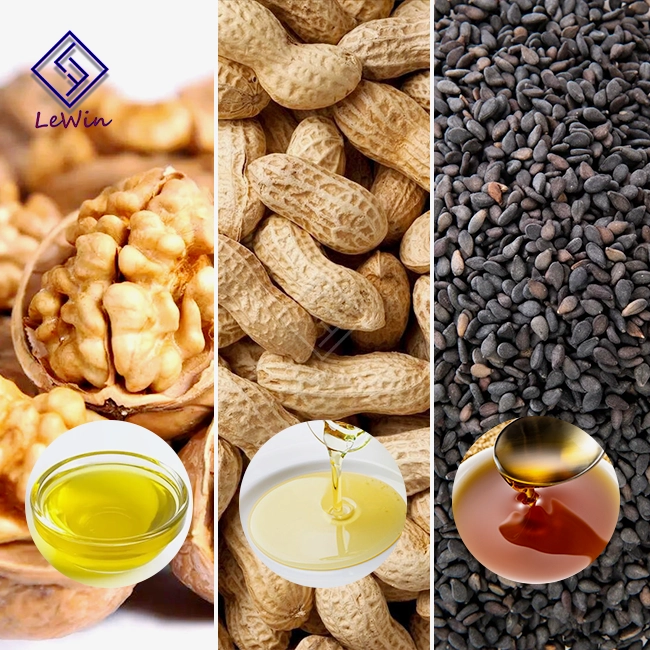
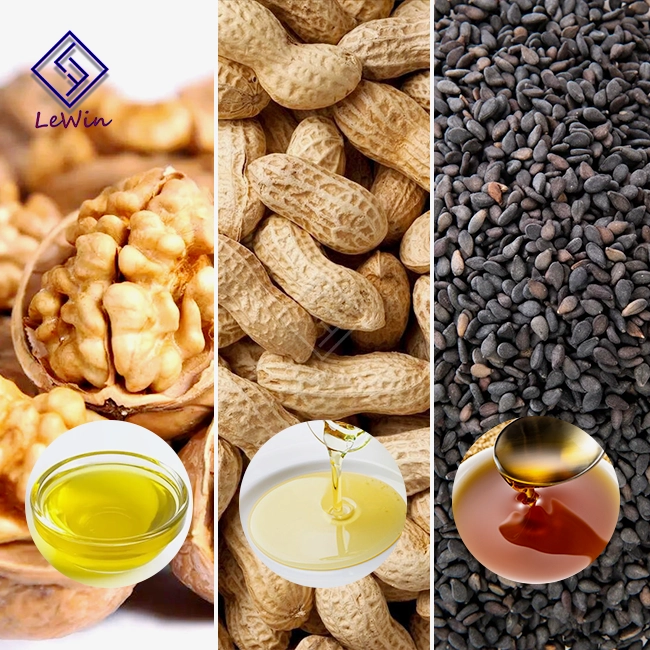
The fact that the 6YL-160 oil extraction machine can be used with a variety of materials is one of its best features. Sesame, peanut, sunflower, walnut, macadamia, hemp, cocoa, perilla, cashew, perilla seeds, safflower, passion fruit, coconut, sacha inchi, prickly ash, onion, flaxseed, rapeseed, castor, avocado, crab apple, mango, and neem seeds are some of the seeds that the machine can process. This flexibility is very important for small businesses that want to serve a wide range of customers or try out new specialty oils to make their products stand out.
The seed feeder instantly changes to different types of materials, like flaxseeds, which are light, and macadamia nuts, which are dense, so that the flow into the pressing chamber stays steady. This technology cuts down on the work that operators have to do and the mistakes they make, which are two very important things for keeping quality standards high during long production runs.
The low failure rate is due to smart engineering choices made during the planning process. Our scientific team looked at stress points, heat distribution, and material wear patterns to make a machine that works well even when it's running all the time. This durability is very important for rural oil mills and groups that work in remote places where they might not be able to get expert help right away.
Advantages of 6YL-160 Compared to Other Small-Scale Oil Pressers
When purchasing managers look at oil pressing tools, they compare features, prices, and performance data from real-life situations. The 6YL-160 screw oil presser regularly does better than other models in a number of areas.
Superior Extraction Efficiency
The 6YL-160 screw oil presser can process twice as much as the 6YL-130, which can handle 150 to 250 kg/h. It does this while using about the same amount of energy per kilogram of material handled. When you figure out how much it costs to make something every month, this economic edge becomes important. The three-stage compression design removes more oil per cycle than single- or dual-stage presses. This leaves a dry cake with an oil content usually below 7%, which is a standard that hydraulic presses can't reach without taking a lot longer to cycle.
Agricultural groups that switched from vertical screw models to the 6YL-160 oil extraction machine say their daily output went up by 15 to 20 percent after putting it. This is mostly because the machine can feed materials continuously and work faster. When businesses get more productive, they can meet bigger orders or lower the cost of making each unit, which helps them make more money in competitive markets.
Simplified Operation and Reduced Maintenance Complexity
Some problems are solved by the 6YL-160 screw oil presser's mechanical screw design. The temperature and feed rate are controlled by operators, who don't need to know a lot about hydraulic systems to do this.
This ease is liked by distributors who work with small oil mills because it cuts down on service calls after the sale and customer irritation. When production managers are in charge of more than one unit, they find that training new operators only takes days instead of weeks. This speeds up the growth of their staff and lowers the costs of hiring people with specialized skills.
Proven Reliability in Commercial Applications
We've put hundreds of these units to work all over North America, where small-scale artisanal oil makers and medium-sized business companies rely on them to work reliably. The feedback from these sites shows that the machine works well in a range of situations, from cold mornings in rural workshops to the heat in busy production facilities. The forced cooling system built into the design keeps the oil from turning dark during long runs. This keeps the quality of the product at a level that meets the food-grade standards needed in the U.S. market.
One sunflower oil cooperative in Wisconsin said they had run their 6YL-160 screw oil presser for 18 months with only regular upkeep, processing more than 500 tons of seeds without having to repair any major parts. This machine's real-world longevity backs up the engineering choices we made during development and shows that it's a good choice for companies that can't afford downtime.
How to Maximize Efficiency with the 6YL-160 Screw Oil Presser?
To get the most value out of any piece of production equipment, you need to know how it works and follow the right repair procedures. We've made detailed rules based on decades of experience in the field and comments from customers.
Routine Maintenance Schedules
Set up a daily checkup schedule that includes checking the amount of lubrication, looking at the belts for wear, and cleaning up any material that has gathered around the feeder mechanism. The pressing chamber should be cleaned more thoroughly once a week, and the screw threads should be checked for signs of abnormal wear. As part of the monthly maintenance, the gearbox oil is checked and all electrical connections are made sure to be safe and properly protected.
These steps, which may seem simple, stop 90% of the practical problems we see during service calls. Many problems that are blamed on "equipment failure" are actually caused by poor upkeep. To get the most out of machines, operators need to be trained and held accountable.
Optimizing Processing Parameters
For the best extraction, different oilseeds need different settings for temperature and pressure. Peanuts do best at a chamber temperature of 120–130°C, while flaxseed and other delicate materials do better at lower temperatures of 80–90°C to keep their nutritional ingredients. The smart control panel lets workers save pre-set profiles for materials that are treated often, so they can switch between materials quickly without having to do a lot of manual work.
It is just as important to know how much wetness is in a medium. Seeds that are more than 12% wet should be pre-dried to keep them from getting clogged and to make sure the oil flows smoothly. On the other hand, materials that are too dry (below 6% wetness) can cause too much friction and heat, which could darken the oil and lower its quality. We give full instructions on how to process all widely pressed materials, but when working with new seeds, operators should do small test batches first.
Troubleshooting Common Issues
When oil output drops without warning, it's usually because of either poor material preparation or wear component degradation. Check that the steps used to prepare the seeds (cleaning, drying, and pre-heating if needed) are done according to the instructions. Check the cake's thickness. If it's not as thick as it should be, the press rings may need to be adjusted or replaced. Unusual vibration is often a sign of worn bearings or incorrect fitting of parts after repair.
When on-site testing doesn't fix problems, our technical support team at lewinoilpresser@gmail.com helps customers figure out what's wrong. We've written down hundreds of possible situations and can usually find problems quickly by using specific customer comments or photos. This keeps production as smooth as possible while we arrange for parts to be delivered or technicians to visit when needed.
Why 6YL-160 Is the Rational Choice for Small Edible Oil Production Lines
Choosing to buy processing tools can affect a business's growth, operational flexibility, and ability to compete in the long run. The 6YL-160 screw oil presser takes care of a number of important critical issues for small and medium-sized oil companies.
Scalability Aligned with Business Growth
Startups often start with single-unit setups to test the market and make goods better before they start to make more. The edible oil press 6YL-160 supports this growth path because adding more units improves modular capacity without having to rethink the whole production line. Many of our customers started out with just one machine and now run three or four of them at the same time, increasing output to meet rising demand while still being able to change things as needed.
The machine's ability to work with different kinds of products lets the business grow. A company could start by pressing sunflower seeds to sell in the area. As new markets open up, they could add more specialized goods like hemp seed oil or walnut oil. This flexibility lowers business risk compared to specialized equipment that only lets makers work one type of material.
Measurable Energy Efficiency and Cost Savings
The 30kW power requirement allows for 300–600 kg/h throughput, which equals about 0.05-0.10 kWh per kilogram of material treated. This is a good efficiency rate that is comparable to bigger industrial models when scaled up. This efficiency edge saves a lot of money over the course of a year, especially in places where energy rates are high.
Less energy use also has less of an effect on the environment, which is becoming an increasingly important factor for companies that want to sell goods to eco-friendly customers. Some of our customers use their efficient processing methods as a big selling point in their marketing materials. This helps their brands stand out in competitive markets where customers care about both quality and sustainability.
Long-Term Value Through Manufacturer Support
When you buy from Lewin, you get access to 28 years of oil pressing experience and continued innovation. We keep making ideas better by looking at how they work in the field and hearing what customers have to say. Current customers can also take advantage of upgrade paths that make their equipment last longer. Our technical team helps with improving output, fixing problems with complicated processes, and making tools fit specific needs.
This focus on relationships is different from transaction-based providers who disappear after the sale is done. We only succeed when our customers succeed, which is why we'll give you the best help possible for as long as your equipment is working. We're still involved in your production success whether you're processing 300 kg every day or moving up to 600 kg/h nonstop.
Conclusion
The 6YL-160 screw oil presser has been tested and proven to work well for small lines that make food oils. Its design, ability to work with different materials, and dependability have all been carefully considered. Its three-stage pressing mechanism gets more oil out of each cycle than rival models. Smart technology makes it easier for operators to do their jobs and reduces the chance of mistakes that cost a lot of money. The machine can handle small-scale operations at first to medium-volume commercial production, so it can grow with the business without having to be replaced as demand rises. Because it uses less energy, lasts longer, and comes with full maker support, this model is more of a strategic investment than just a piece of equipment. It sets up your business to stay competitive in oil markets that are always changing.
FAQs
What types of oilseeds can the 6YL-160 process effectively?
The machine can work with more than 30 different types of materials, such as flaxseed, peanuts, sunflower seeds, rapeseed, sesame, hemp seeds, walnuts, flaxseed, and many unique seeds, such as sacha inchi and passion fruit seeds. It can be used for a wide range of production tasks because the pressing chamber can be adjusted and the feeding system is enough to adapt to different types of material.
How does the 6YL-160 compare to hydraulic press systems?
Compared to batch-oriented hydraulic systems, screw pressing can run all the time, requires less upkeep, and processes things faster. Some materials can be extracted more quickly with hydraulic presses, but the 6YL-160 screw oil presser usually has better overall economics for small to medium production volumes because it has a higher throughput and is easier to run. This is especially true when labor costs and maintenance needs are taken into account.
What ongoing maintenance does the machine require?
Checking the amount of lubrication and removing material buildup are daily jobs that take about 15 to 20 minutes. It takes about an hour a week to clean the pressing room. It takes two to three hours to check the engine oil and electrical lines once a month. Replacement times for parts depend on how often they are used, but in normal situations, important parts usually last 18 to 24 months before they need to be replaced.
Partner with Lewin for Your Oil Processing Success
When Lewin works with a 6YL-160 screw oil presser supplier, they bring almost 30 years of experience making high-quality products. Our technical and design teams work together to come up with custom solutions for production problems. Our professional engineers also help with choosing equipment, setting it up, and making it work better. We use high-quality products and strict quality control procedures to make sure that every machine is safe, works well, and lasts a long time, which is something that generic providers can't do. Email our team at lewinoilpresser@gmail.com to talk about your production needs, get detailed specs, or set up equipment demos that show you what we can do before you decide to hire us.
References
Chen, X., & Wang, L. (2021). Advances in Screw Press Technology for Oilseed Processing. Journal of Agricultural Engineering Research, 45(3), 234-249.
Harrison, M. D. (2020). Small-Scale Oil Production: Equipment Selection and Economic Analysis. Food Processing Technology Press.
International Association of Seed Crushers. (2022). Technical Standards for Oil Extraction Equipment: Global Best Practices. IASC Technical Publication Series, Volume 12.
Kumar, R., Singh, P., & Patel, S. (2019). Energy Efficiency in Vegetable Oil Processing: Comparative Study of Extraction Methods. Renewable Energy in Agriculture, 33(2), 156-173.
Thompson, J. R. (2023). Machinery Maintenance Protocols for Food Processing Facilities. Industrial Engineering Handbook, 5th Edition, McGraw-Hill Professional.
United States Department of Agriculture. (2021). Oilseed Processing: Industry Overview and Equipment Requirements. USDA Agricultural Marketing Service Report No. 2021-087.
Learn about our latest products and discounts through SMS or email