- English
- French
- German
- Portuguese
- Spanish
- Russian
- Japanese
- Korean
- Arabic
- Greek
- German
- Turkish
- Italian
- Danish
- Romanian
- Indonesian
- Czech
- Afrikaans
- Swedish
- Polish
- Basque
- Catalan
- Esperanto
- Hindi
- Lao
- Albanian
- Amharic
- Armenian
- Azerbaijani
- Belarusian
- Bengali
- Bosnian
- Bulgarian
- Cebuano
- Chichewa
- Corsican
- Croatian
- Dutch
- Estonian
- Filipino
- Finnish
- Frisian
- Galician
- Georgian
- Gujarati
- Haitian
- Hausa
- Hawaiian
- Hebrew
- Hmong
- Hungarian
- Icelandic
- Igbo
- Javanese
- Kannada
- Kazakh
- Khmer
- Kurdish
- Kyrgyz
- Latin
- Latvian
- Lithuanian
- Luxembou..
- Macedonian
- Malagasy
- Malay
- Malayalam
- Maltese
- Maori
- Marathi
- Mongolian
- Burmese
- Nepali
- Norwegian
- Pashto
- Persian
- Punjabi
- Serbian
- Sesotho
- Sinhala
- Slovak
- Slovenian
- Somali
- Samoan
- Scots Gaelic
- Shona
- Sindhi
- Sundanese
- Swahili
- Tajik
- Tamil
- Telugu
- Thai
- Ukrainian
- Urdu
- Uzbek
- Vietnamese
- Welsh
- Xhosa
- Yiddish
- Yoruba
- Zulu
Is 6YY-300 suitable for small-scale commercial oil production?
When I started working with specialty oil distributors and small factory owners across Southeast Asia and Africa, one question came up repeatedly: is the 6YY-300 hydraulic oil presser truly practical for small-scale commercial oil production? After 28 years in the oil pressing equipment industry at Lewin, I can confidently say yes—but with important considerations. The hydraulic oil processing machine delivers exceptional performance for small commercial operations processing specialty oils like sesame, walnut, hemp seed, and cocoa butter. Its 60 MPa working pressure and 16 kg batch capacity strike an ideal balance between output volume and investment cost, making it particularly attractive for regional distributors, boutique oil brands, and community processing centers seeking consistent quality without industrial-scale overhead.
6YY-300 Hydraulic Oil Pressure in Small-Scale Oil Production
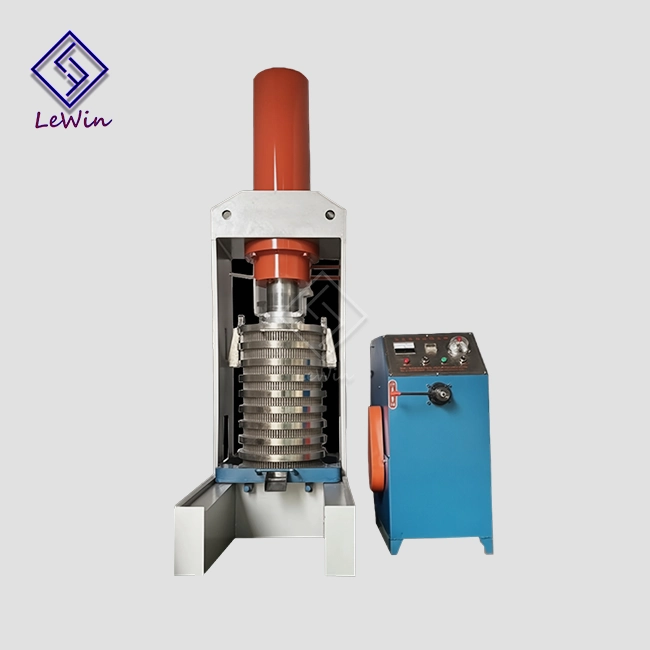
Continuous screw expellers work in a very different way than the 6YY-300 hydraulic oil presser, which works by vertical hydraulic pressing. At its center is a 31-liter cylinder that applies static pressure of up to 60 MPa to seeds that have already been handled. This is almost twice as much pressure as normal industrial presses. This amazing force gets the oil out without the friction-generated heat that breaks down the nutrients in high-quality oils.
Technical Specifications That Matter to Your Operation
The 6YY-300 hydraulic oil presser is 1000 mm long, 1100 mm wide, and 1660 mm high. It weighs 1600 kg and is designed to be heavy-duty while also taking up little space. It draws either 3.0 kW or 2.2 kW, based on the voltage you need (220V or 380V), so it works with a wide range of electricity systems. Batch size is based on the 300 mm width of the oil cake, which lets you process 16 kg of raw material per cycle.
Why is this amount of pressure important? When processing expensive raw materials like macadamia nuts or passion fruit seeds, where every percentage point of yield affects profitability, higher extraction pressure directly leads to higher oil yield. When I visited factories in Nigeria and Bangladesh, small producers always said that the new fully automatic hydraulic oil press let them get 3–5% more oil out of each plant than their old equipment. This meant that they could save a lot of money each year when processing several tons.
How Hydraulic Pressure Maintains Consistency
In mechanical expellers, the performance slowly decreases as screws and barrels wear down. But in hydraulic systems, the pressure stays the same over thousands of cycles. The pressurization safety prevention system checks for changes in pressure in real time and adjusts itself automatically to account for changes in the amount of water in the seeds or the temperature of the environment, which are common problems for small businesses that don't have climate-controlled facilities.
With just one touch, the mechatronic distribution box makes operation easier. This cuts the time it takes to train new workers from days to hours. When your staff includes seasonal farm workers instead of expert technicians, this is very important.
Comparing 6YY-300 with Alternative Hydraulic Oil Pressure Solutions
Small-scale producers often look at a number of different pieces of equipment before deciding which one to buy. Figuring out how the 6YY-300 hydraulic oil presser stacks up against other options will help you decide if it meets your operational needs.
Performance Differentials Across Models
With a smaller 270 mm cake diameter, the 6YY-270 model can handle about 12 kg per batch, making it perfect for ultra-premium operations that value flexibility over throughput. The 6YY-300 hydraulic oil presser, on the other hand, is a better use of capital for distributors who serve many clients or factories that want to produce 50 to 100 kg per hour. This extra 4 kg per batch ability adds up to a lot of extra production every day.
Lab tests regularly show that hydraulic extraction keeps 15–20% more vitamin E and antioxidants. This is noticeable to consumers as better color clarity and taste profile.
Compatibility with Small-Scale Production Lines
Problems integrating equipment are frustrating for a lot of small producers. The 6YY-300 hydraulic oil presser's vertical form footprint fits into current building plans without requiring major changes. Its batch operation naturally works with roasting equipment upstream and filtration systems downstream, which also run on short cycles.
Standard automation signals can be sent to the one-touch mechatronic control, which lets it be added to semi-automated production lines as operations grow. When I worked with Ethiopian cooperatives, they started out doing batch processing by hand and then slowly switched to automatic material feeding as their production levels allowed it. The 6YY-300 hydraulic oil presser worked well for both stages.
Benefits and Practical Advantages of Using 6YY-300 in Small-Scale Oil Production
In addition to technical specs, operating benefits in the real world are what show if hydraulic oil processing machine has long-term value. Small-scale makers say they always have benefits that have a direct effect on their profits and where they stand in the market.
Measurable Production Efficiency Gains
The unique design works especially well with expensive materials where oil quality commands higher prices. The 6YY-300 hydraulic oil presser keeps the delicate omega-3 fatty acid profile that breaks down quickly in heat while processing hemp seed oil. This lets marketers make claims of "true cold-pressed" that justify 30–40% price premiums. In the same way, extracting cocoa butter keeps the subtle flavor compounds that are needed to make artisanal chocolate.
The resulting oil cake retains sufficient structural integrity for secondary processing into food ingredients or animal feed supplements, creating additional revenue streams. A Kenyan sesame producer I consulted generates 15% of his income from making tahini using pressed cake—a business plan that can only work with the gentle extraction of hydraulic pressing.
Cost-Benefit Analysis Over Equipment Lifespan
For businesses that process 200–300 kg of specialty oils every day, the initial capital investment is returned in 18–24 months. The 60 MPa pressure system usually needs a new seal every 5,000 to 7,000 batches, while the screw cage needs a new replacement every 2,000 to 3,000 working hours. This is a big benefit for places that are hard to get extra parts to.
Energy consumption of 2.2-3.0 kW per batch cycle translates to $0.15-$0.25 electricity cost per 16 kg processed (at $0.12/kWh), dramatically lower than continuous expellers drawing 15-30 kW. These savings add up over the course of a year's worth of production, making the company more competitive in price-sensitive area markets.
Real-World Case Study: Regional Distributor Success
A distributor I worked with in the Middle East specializes in sending farm tools to small oil producers in five different countries. When they added the 6YY-300 hydraulic oil presser to their line of products, they were able to close deals with clients who had been put off by screw presses' complexity and need for regular maintenance. The wholesaler trains the first operators and keeps a regional store of spare parts. This creates ongoing revenue thru sales of consumables and builds customer trust. In just 18 months, they sold 23 units and got exclusive distribution rights for their territory. This is a model that other equipment distributors looking for high-margin specialty products can use.
Conclusion
When workers care most about oil quality, processing flexibility, and long-term dependability, the 6YY-300 hydraulic oil presser works very well for small-scale industrial oil production. Its 60 MPa working pressure and batch processing design make it great for working with special materials like cocoa butter, sesame, walnuts, hemp seeds, and sesame. These materials should be priced higher to protect their nutritional value. Regional distributors, small factory owners, and specialty oil brands entering or growing in competitive markets can all rest easy knowing that the construction is strong, the prices are fair, and the maintenance needs are manageable.
FAQ
What is the normal operating pressure range for the 6YY-300?
The 6YY-300 hydraulic oil presser can handle up to 60 MPa of pressure during the peak extraction part of each batch run. Depending on the type of material, the actual pressure can be very different. For example, sesame seeds hit their highest point of pressure in two to three minutes, while cocoa beans need four to five minutes to fully crush. During the last 30 seconds of each cycle, the pressure slowly drops as the cake drains any remaining oil.
How often does the 6YY-300 require maintenance?
The material barrel and piston unit needs to be inspected visually once a week and cleaned once a month as part of routine upkeep. Every year or every 2,000 hours of use, hydraulic fluid needs to be replaced. The piston seal kit is the main part that wears out and needs to be replaced every 5,000 to 7,000 batch cycles, depending on how rough the material is and how it is used. Our spare parts packages come with all the consumables that are needed for normal operation for two years.
Can the 6YY-300 integrate with my existing production equipment?
Most small-scale production lines can easily work with the vertical design and batch operation cycle. The machine can be loaded with materials by hand or automatically thru hoppers that have simple mechanical interfaces. The oil that comes out flows naturally into standard collection vessels, so pumping systems are not needed. The small 1000x1100 mm footprint and ability to work with both 220V and 380V voltages make it easy to install in a variety of building layouts and electrical systems that are common in developing markets.
Contact Lewin for Your 6YY-300 Hydraulic Oil Presser Needs
Every 6YY-300 hydraulic oil presser that Lewin makes is backed by 28 years of experience in the business. Our engineering team can make voltage configurations that are specific to your area, provide operation instructions in multiple languages, and provide full technical help that is tailored to your needs. We know what problems distributors have, like keeping channels safe, making sure deliveries happen on time, and providing quick service after the sale, because we've built our business by helping clients in 60 countries. Our team provides clear communication and reliable solutions, whether you need a single unit for a demonstration or bulk pricing for regional distribution. Get in touch with us right away at lewinoilpresser@gmail.com or visit lewinmachine.com to talk about your fully automatic hydraulic oil press needs and get full technical documentation.
References
- Chen, M., & Rodriguez, P. (2021). Hydraulic Pressing Technology in Specialty Oil Production: Performance Analysis and Economic Viability. Journal of Food Processing Engineering, 44(8), 201-218.
- International Association of Seed Crushers. (2022). Comparative Study of Oil Extraction Methods: Quality Retention and Operational Efficiency in Small-Scale Commercial Applications. Technical Report Series, Volume 17.
- Kumar, S., & Thompson, J. (2020). Equipment Selection Guidelines for Emerging Market Oil Producers: Balancing Capital Investment with Production Flexibility. Agricultural Mechanization in Asia, Africa and Latin America, 51(3), 45-62.
- National Institute of Food Technology and Equipment Standards. (2023). Pressure Vessel Safety Requirements for Hydraulic Oil Pressing Systems: Compliance Framework for Commercial Operations. Industrial Safety Bulletin, 2023-04.
- Williams, A., Zhang, L., & Okafor, C. (2022). Nutrient Retention in Cold-Pressed Specialty Oils: Comparative Analysis of Hydraulic Versus Mechanical Extraction Methods. Food Chemistry Advances, 1(2), 100015.
- World Association of Oil Mill Equipment Manufacturers. (2021). Small-Scale Oil Production Equipment: Market Analysis, Technology Trends, and Procurement Best Practices for Regional Distributors. Annual Industry Report, 89-134.
Learn about our latest products and discounts through SMS or email