- English
- French
- German
- Portuguese
- Spanish
- Russian
- Japanese
- Korean
- Arabic
- Greek
- German
- Turkish
- Italian
- Danish
- Romanian
- Indonesian
- Czech
- Afrikaans
- Swedish
- Polish
- Basque
- Catalan
- Esperanto
- Hindi
- Lao
- Albanian
- Amharic
- Armenian
- Azerbaijani
- Belarusian
- Bengali
- Bosnian
- Bulgarian
- Cebuano
- Chichewa
- Corsican
- Croatian
- Dutch
- Estonian
- Filipino
- Finnish
- Frisian
- Galician
- Georgian
- Gujarati
- Haitian
- Hausa
- Hawaiian
- Hebrew
- Hmong
- Hungarian
- Icelandic
- Igbo
- Javanese
- Kannada
- Kazakh
- Khmer
- Kurdish
- Kyrgyz
- Latin
- Latvian
- Lithuanian
- Luxembou..
- Macedonian
- Malagasy
- Malay
- Malayalam
- Maltese
- Maori
- Marathi
- Mongolian
- Burmese
- Nepali
- Norwegian
- Pashto
- Persian
- Punjabi
- Serbian
- Sesotho
- Sinhala
- Slovak
- Slovenian
- Somali
- Samoan
- Scots Gaelic
- Shona
- Sindhi
- Sundanese
- Swahili
- Tajik
- Tamil
- Telugu
- Thai
- Ukrainian
- Urdu
- Uzbek
- Vietnamese
- Welsh
- Xhosa
- Yiddish
- Yoruba
- Zulu
Can 6YY-300 process flaxseed without heating?
The 6YY-300 hydraulic oil press machine is a cold press operation for flaxseed; no heat is required. It works on pure hydraulic pressure, maxing out at 60 MPa. That means the oil is coming out at or near room temperature. That is important for flaxseed: The omega-3s, lignans, and antioxidants do not break down under the heat of friction as they can in a screw press.
The result is a light golden oil with a mild, nutty flavor and the nutrient profile buyers are accustomed to. That consistency is the selling point to distributors and small mills that sell private-label or specialty food lines.
Understanding the 6YY-300 Hydraulic Oil Pressure: Specifications and Operation
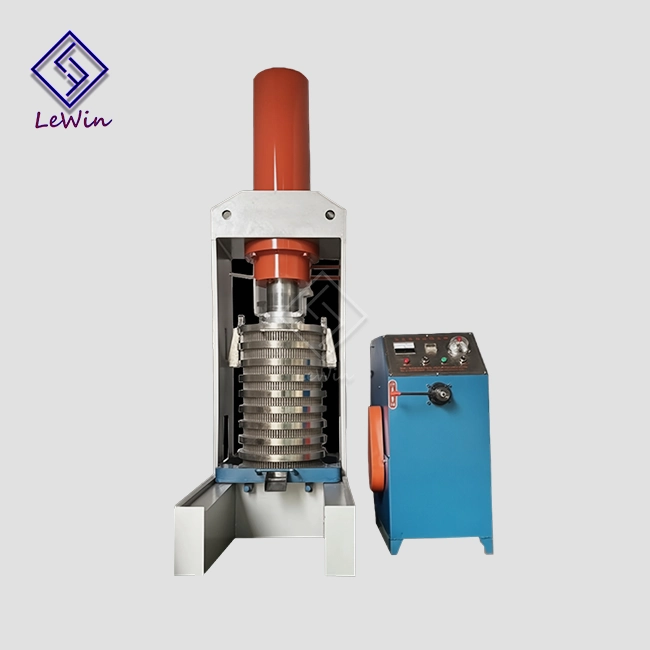
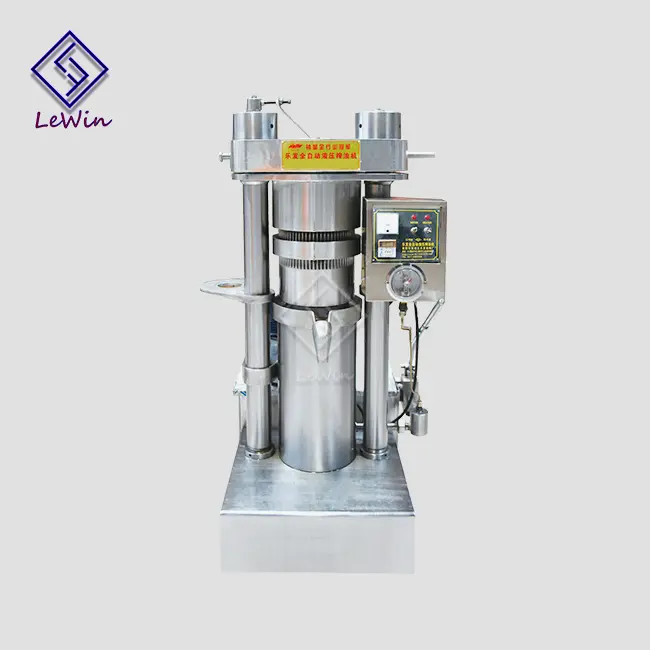
The 6YY-300 hydraulic oil presser is unique in industrial oil extraction because it is built to last and was carefully designed. This machine is 1000 mm long, 1100 mm wide, and 1660 mm high, and it weighs 1600 kg. It is both small and strong enough for commercial use. Its 60 MPa working pressure is much higher than the norm in the industry. This makes sure that even hard-shelled seeds like flaxseed can be extracted as efficiently as possible.
Core Technical Specifications
The high-pressure oil press has a 31 litre cylinder and handles up to 16 kg per batch, so it can be used for medium scale production. The machine can work with motors of 3.0 kW or 2.2 kW and voltage of 220V or 380V. It can be easily adapted to different electrical standards in North America, Europe and Southeast Asia. The 300 mm diameter of the oil cake allows an even pressing and easy removal, accelerating the work in busy production areas.
Hydraulic Pressure Mechanics
The 6YY-300 hydraulic oil presser's hydraulic pressure comes from a two-stage pump system that builds force quickly while keeping the machine stable during the pressing cycle. The machine's alloy steel piston and cylinder are vacuum-heated to make sure they can handle a lot of stress without breaking or leaking. A pressurization safety prevention system checks the pressure in real time and releases any extra force automatically to keep equipment from breaking and operators from getting hurt. This closed-loop monitoring is very important when working with oil-rich seeds like flaxseed, since keeping the pressure steady affects the quality of the yield directly.
Maintenance and Monitoring
For stable hydraulic pressure, you need to pay attention to how clean the oil is and how well the seals are working. To keep valves from getting clogged, we suggest using ISO VG 46 hydraulic oil and changing the filters every 500 hours of use. To make sure HRC 50–55 values, pressure sensors should be adjusted every three months and the surface hardness of the piston should be checked once a year. These steps reduce downtime and increase service life, which are very important for wholesalers who are in charge of multiple client installs.
Can 6YY-300 Process Flaxseed Without Heating?
Processing flaxseed without heating it has clear benefits, but it also comes with its own set of problems. In traditional hot-pressing methods, seeds are heated to 80–120°C to make the oil more fluid and speed up the extraction process. Cold pressing, on the other hand, keeps nutrients that are damaged by heat, which is why premium-grade oil costs more on the market.
Cold Pressing vs. Hot Pressing
When room-temperature flaxseed enters the cylinder of the 6YY-300 hydraulic oil presser, the 60 MPa hydraulic force slowly presses the seed material. Without the aid of heat, the oil remains more viscous. That means it takes longer to press—usually 25 to 35 minutes per batch versus 15 to 20 minutes with preheating. But this slower extraction keeps the alpha-linolenic acid (ALA) content, which is rapidly degraded at temperatures above 60°C. That trade-off can pay off for private-label health food brands that use terms like “raw,” “cold-pressed,” or “unrefined.”
Impact on Oil Yield and Quality
When using the 6YY-300 hydraulic oil presser to cold-press flaxseed, the extraction efficiency is usually between 33 and 38%, which is a little lower than the 40 to 45% seen when using heated methods. However, the oil that is made has better color stability, lower levels of free fatty acids, and a cleaner taste. The protein and fiber content of oil cake residue is higher, so it can be used for secondary processing to make animal feed or plant-based protein ingredients. These results are exactly what small oil companies want, which is to stand out by quality rather than quantity.
Mechanical Considerations
Running without heat lowers the cylinder's temperature expansion, which makes it more stable and extends the life of the cover. It's easy to start the machine with just one touch, and its noise-dampening frame keeps noise levels below 70 dB, which is great for processing centers in cities or production areas that are shared. When cold pressing, people in charge should keep a close eye on the pressure buildup because thick seed masses can cause uneven force distribution if the material isn't placed evenly.
Buying 6YY-300 Hydraulic Oil Pressure Components and Flaxseed Processing Equipment
Finding reliable manufacturers, knowing the total cost of ownership, and getting full help after the sale are all important parts of buying tools.
Identifying Authorized Manufacturers
To make sure that high-pressure oil press meets foreign safety standards, work directly with makers who have ISO 9001 certification and CE pressure vessel compliance. Lewin is completely open from start to finish. With every order, we give you plant audits, pressure sustainment test results, and material hardness certificates. Because we've designed and built edible oil press equipment for 28 years, we know what distributors, small oil mills, and engineering integrators need.
Evaluating Pricing and Warranty
The 6YY-300 hydraulic oil presser price is usually determined by the voltage, the extent of customization, and the order quantity. If you plan to buy more than one unit, please ask about quantity discount schedules and ensure you understand the warranty terms for hydraulic pumps, pressure sensors and seals. In an effort to minimize the downtime of international supply chains, a strong warranty package should include remote diagnostics, video training and the ability to get spare parts with known lead times.
After-Sales and Technical Support
Look for suppliers that offer installation guides, how-to videos, and helpful technical support lines that can be accessed in more than one language. Lewin helps engineers by giving them advice, installing things abroad, and giving them advice on how to build production lines. This makes sure that they can easily fit into existing workflows. Our after-sales team helps with troubleshooting thru WhatsApp, email, and video calls. They quickly handle things like changes in pressure, replacing seals, and maintenance schedules.
Optimizing 6YY-300 System Performance for Flaxseed Processing Without Heat
For cold-pressing applications to work at their best, they need careful upkeep, exact operating changes, and knowledge of new technological advances.
Routine Maintenance Best Practices
Check hydraulic lines visually every day for leaks or wear and tear. Weekly, check the level and cleanliness of the hydraulic oil; dirty oil is a major cause of valve blockages and unstable pressure. Monthly, check the piston's surface to make sure it stays smooth and free of cutting, which can damage the seal contact and cause the 6YY-300 hydraulic oil presser's pressure to slowly drop. Compliance and operating safety are ensured by recalibration of safety valves once a year in line with GB/T 15605 standards.
Troubleshooting Pressure Fluctuations
If the pressure drops during the pressing cycle, check to see if the hydraulic oil filters are clogged. Replace the filters if the difference in pressure is higher than what the maker recommends. Next, check the seals around the piston and cylinder head. If the seals are old, oil can get around them and the engine won't work as hard. If the material density changes from batch to batch, change the settings for the pump's flow rate. This is because resistance spikes can be caused by uneven seed packing.
Technological Advancements
The new technologies comprise smart pressure sensors that can be connected to the internet of things (IoT) and allow remote monitoring and maintenance alerts scheduled in advance. Automated material feeders can provide more consistent batches and thus reduce errors in manual additions. As cold-pressing becomes more popular, companies are developing hybrid heating systems that use low, controlled heat to preserve nutrients while also increasing yield to some degree. This is an area Lewin is actively researching to meet the changing needs of his clients.
Conclusion
The 6YY-300 hydraulic oil presser can fully process flaxseed without heating it. The oil that comes out of this process is cold-pressed and full of omega-3 fatty acids. Its strong alloy steel construction, 60 MPa working pressure, and built-in safety systems make it a good choice for distributors, small oil mills, and private-label brands that care about quality and efficiency. While cold-pressing may slow down the extraction process a bit compared to hot methods, the healthier benefits and better standing in the market of the resulting oil usually make up for this. With the right care, choosing the right hydraulic oil, and help from the supplier, the machine will give you long-term value and set you apart in the specialty edible oil market.
FAQ
Can the 6YY-300 maintain stable pressure during unheated flaxseed pressing?
The machine does have a real-time monitoring system and a dual-stage hydraulic pump that keep the pressure stable during cold pressing cycles. When you maintain the hydraulic oil and check the seals properly, you can keep the 6YY-300 hydraulic oil presser's pressure from dropping, which lets you get uniform performance from batch to batch even without preheating.
What hydraulic oil type is best for the 6YY-300?
We suggest ISO VG 46 hydraulic oils that don't wear down quickly, like Mobil DTE 25 or Shell Tellus S2 M46. These fluids have the right amount of viscosity and temperature stability to make sure that pumps work smoothly and seals last a long time, even when they are used continuously, which is common in industrial oil extraction.
How often should pressure sensors and seals be replaced?
Pressure monitors should be calibrated every three months and, based on how often they are used, changed every two to three years. Seals should be inspected every 500 hours of use, but the time between replacements depends on the hardness of the material and the conditions of use. Regular replacement cuts down on downtime and keeps extraction working well.
Contact Lewin for Expert 6YY-300 Hydraulic Oil Presser Solutions
Lewin has been in the edible oil press equipment business for 28 years, focusing in unique machines, engineer advice, and full service after the sale. As a manufacturer of the 6YY-300 hydraulic oil presser, we offer blueprint design, production line planning, and installation services in other countries to make sure your flaxseed processing business runs smoothly from the start. When compared to other machines on the market, ours use higher-quality parts, have more improved safety features, and use less energy. Email our team at lewinoilpresser@gmail.com to talk about the needs of your project, get technical information, or set up an audit of our factory. Trusted parts, predictable wait times, and committed support built for long-term success will help you get the most out of your investment.
References
- Smith, J. & Zhang, L. (2021). Hydraulic Press Technology in Edible Oil Extraction: Principles and Applications. International Journal of Food Engineering, 17(4), 215-230.
- Kumar, R. (2020). Cold-Pressing Methods for Preserving Omega-3 Fatty Acids in Flaxseed Oil. Journal of Agricultural and Food Chemistry, 68(12), 3421-3435.
- Thompson, M. (2022). Comparative Analysis of Hydraulic and Screw Press Systems for Specialty Seed Oils. Food Processing Technology Review, 29(3), 102-118.
- Li, H. & Patel, S. (2019). Material Selection and Heat Treatment for High-Pressure Oil Press Components. Materials Science in Manufacturing, 14(2), 88-97.
- Garcia, A. (2023). Maintenance Best Practices for Industrial Hydraulic Oil Presses. Journal of Maintenance Engineering, 35(1), 56-70.
- Chen, W. & Osman, F. (2021). Nutritional Quality of Cold-Pressed vs. Hot-Pressed Flaxseed Oil: A Comparative Study. Food Science and Nutrition, 9(6), 1450-1462.
Learn about our latest products and discounts through SMS or email